
Distilling Northumbria’s
Spirit of Belonging
Alan and Eileen Ferguson
Ad Gefrin
In the early 1990s, Alan and Eileen Ferguson merged their family businesses and their lives. Now, more than 30 years later, Fergusons Transport celebrates its centenary year. We visit them at the remarkable Ad Gefrin - a distillery, museum and venue in Wooler - to discover their history, their businesses’ history and the history of the project stretching back to the middle ages.
Interview by Arlen Pettitt
Photographs by Christopher Owens
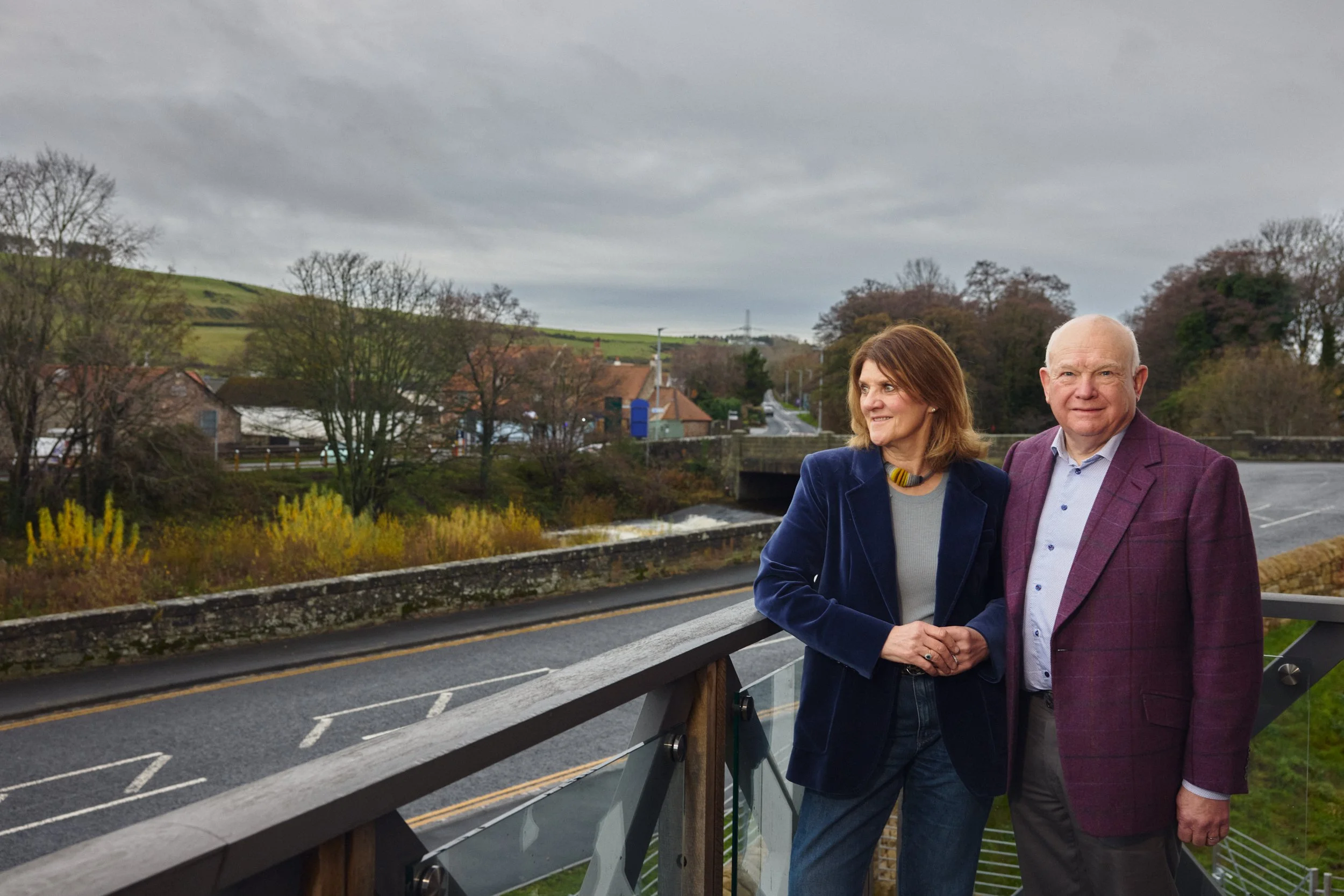
It’s a story you could start fourteen-hundred years ago, when the Anglo Saxon kings and queens of Northumbria spent their summers at Yeavering - which they called Gefrin.
Or you could start it in the 8th century, when Bede wrote how the area was entwined in the first conversions to Christianity in northern England.
Or maybe you could start in 1402, when Harry Hotspur led the English armies in battle against the Scots in the Battle of Homildon Hill, a moment of such significance it is immortalised in Shakespeare’s Henry IV, Part I (“In those holy fields, over whose acres walked those blessed feet…”).
But, probably, it’s sensible to start it a hundred or so years ago, when Wooler-based haulage company Redpath Brothers acquired the site of a former steam laundry on the South Road, by the Wooler Water stream which runs into the River Till, and eventually the Tweed.
“Somebody was coming the other way quite fast and I was going around quite fast and had to oversteer to avoid them. I ended up going off the side of the road at about fifty or so, sideways. Which didn’t work.”
Redpath was a family business, which three generations later was run by Eileen, who took the substantial decision to merge her business - and her life - with Alan Ferguson of Ferguson’s Transport.
Ferguson’s was also a three-generation Northumberland family business, and their confluence meant Alan and Eileen met, were married and thirty-something years later are building a family legacy on the Ad Gefrin site.
Alan had gone to meet with Redpath to see about buying some trucks, and ended up buying the business. He maintains Eileen got the better end of the deal, although she disputes this, pointing out she’s the only person in Ferguson’s who had to pay for their shares.
“I fell head over heels,” Alan says.
“Not the first day!” Eileen responds. “You hardly noticed me. I was this invisible person with my brother doing the talking!”
It was Christmas 1993 when their connection was cemented, by way of a ditch.
Alan had been visiting clients, delivering festive gifts of bottles of wine. Eileen and Redpath were his last stop before he was heading to give a Christmas address at the Rotary Club in Blyth.
He was running a bit behind, and so he and his Audi Quattro were trying to make up time.
“Somebody was coming the other way quite fast,” Alan remembers, “and I was going around quite fast and had to oversteer to avoid them. I ended up going off the side of the road at about fifty or so, sideways. Which didn’t work.”
The car ended up on its roof, with all the remaining bottles of wine smashed in the back.
When the ambulance arrived, the paramedics found the scene stinking of alcohol, they cheekily asked whether he wanted them to tell the police he’d got a head injury, so he’d avoid a breathalyser.
"But, I’ve not had anything to drink!” Alan protested.
As he went off to get checked over, he was conscious of not wanting to leave his briefcase in the car by the side of the road, so he had someone drop it off back at Redpath in care of Eileen.
“This guy came into my office,” Eileen remembers, “and I knew him because he was local, and he says ‘I've brought this. This is Alan Ferguson's briefcase.’, I went ‘what am I meant to do with that?’, and he said ‘well, he's just had an accident, and he's away in an ambulance, and he said to leave it with you.’”
When Alan came to pick it up like a corporate version of a glass slipper, they went for lunch at Linden Hall - their first meal together.
“It was traumatic, particularly for my mother. My younger brother was still living at home, so the two men in her house that left that morning, I had to go and tell her they weren't coming back that night.”
Alan had become increasingly integral to the running of Fergusons in the previous few years, because of a tragedy which occurred in December 1989.
The day-to-day running of Fergusons was always split between the four directors: Alan’s mam and dad, Laura and Eddie, and then he and his brother Stuart.
On Wednesday 6th December 1989, one of their drivers had been in an accident over the North West. They were unhurt, but needed picking up.
Alan was going to go, but got stuck pricing up a job, so his father and brother jumped in the company helicopter.
They never came back.
“It was traumatic,” Alan says, “particularly for my mother. My younger brother was still living at home, so the two men in her house that left that morning, I had to go and tell her they weren't coming back that night.”
The company survived, in no small part thanks to the efforts of Alan’s mother, and the fact the whole team, suppliers and contacts all pulled together. A tribute to the community which builds around employers, especially those with a family ethos.
To make things harder, Alan’s first wife left him in this period, “citing I was spending too much time with another woman,” he says, “which I was: it was my mother.”
Although it was a challenging time, he thinks of it now as having released him and meant by the time he met Eileen, he was ready to start anew.
“When I came into the family, Alan's mother was a really strong woman,” Eileen recalls.
“She was kind, she was hardworking,” she continues, turning to Alan, “she'd been in the business with your father from the minute that she met your dad. She was an unsung hero to Fergusons, because without that strong anchor it wouldn't have been where it was for you to take over.”
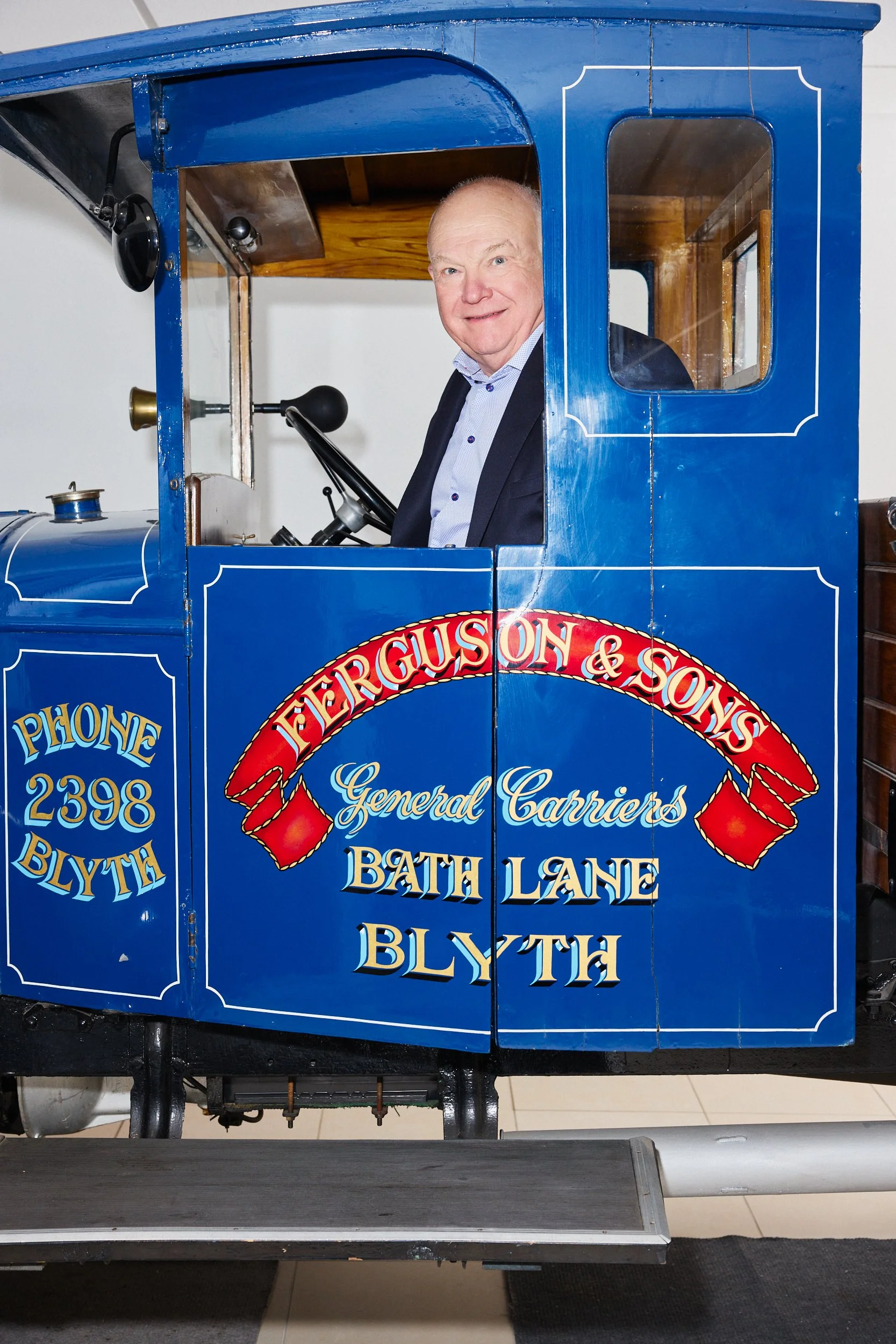
Fergusons is celebrating 100 years in 2026, and the first vehicle - a Bean truck which Alan’s grandfather Matt sold the family home to afford - now sits outside their Cramlington headquarters in honour of those humble beginnings.
What started with Matt Ferguson running goods between Blyth and Newcastle has evolved into a thriving business which includes warehousing, storage and removals arms of the business, including sites in Washington close to Nissan and on the south coast at Plymouth.
They have also invested in commercial property, and played a part in the regeneration of their original home of Blyth with their former site involved in the creation of new commercial space in the town, now named Eddie Ferguson House.
It’s that desire to make the most of the assets they have and make a positive contribution to the places they are based, which led Alan and Eileen to establish Ad Gefrin in Wooler.
“I wanted them all to be independent because I find it too stressful thinking that the future of my children and grandchildren lies on our shoulders.”
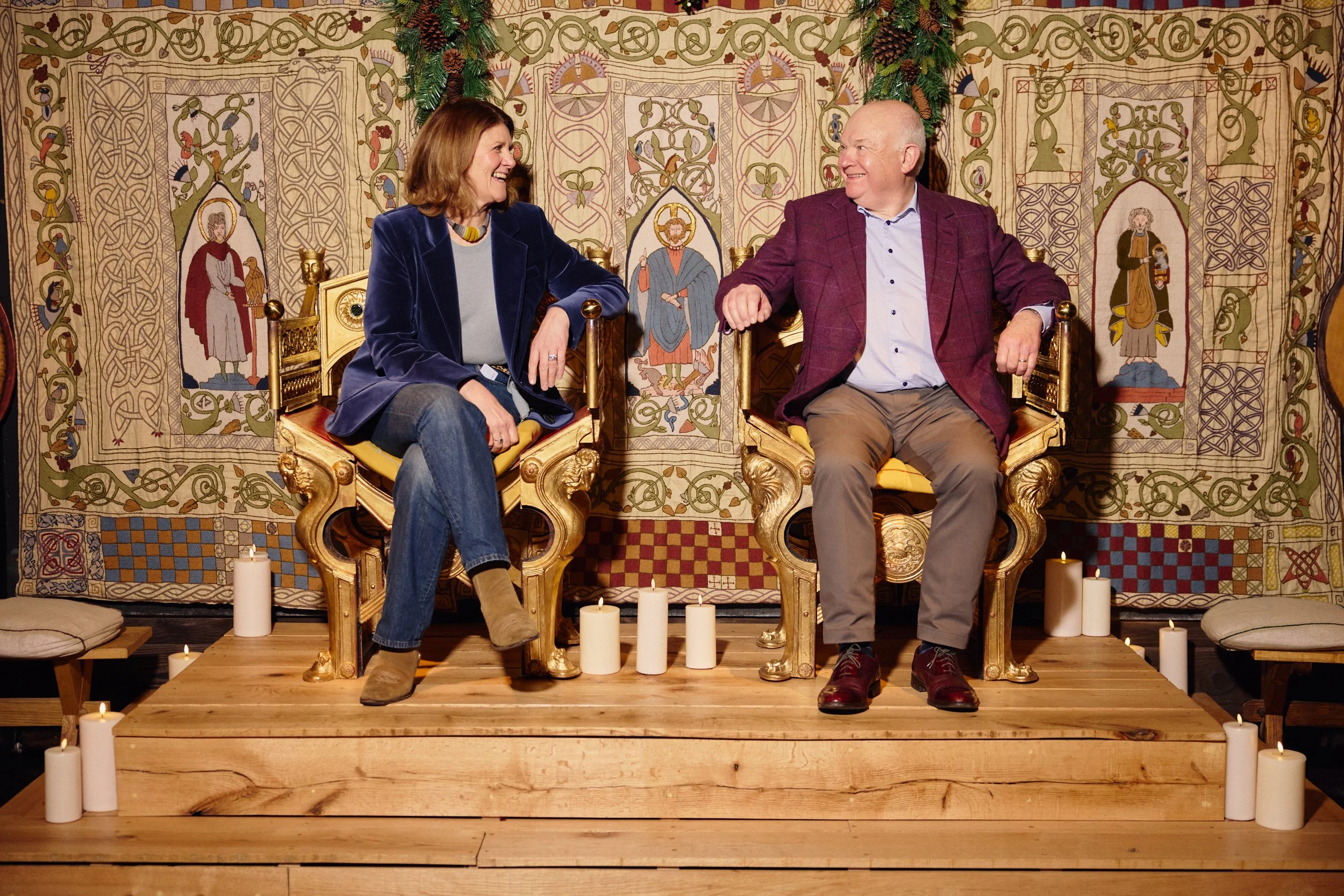
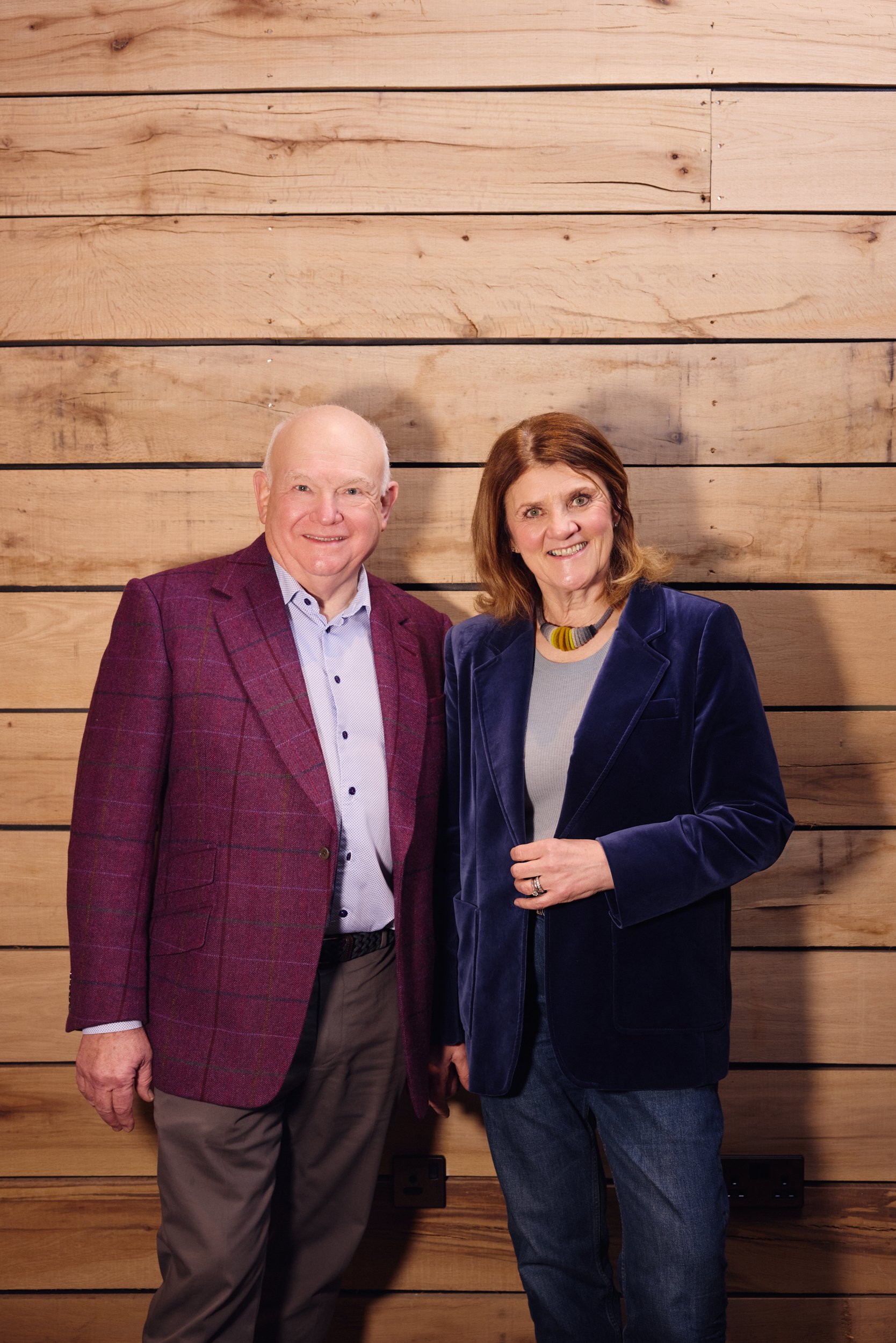
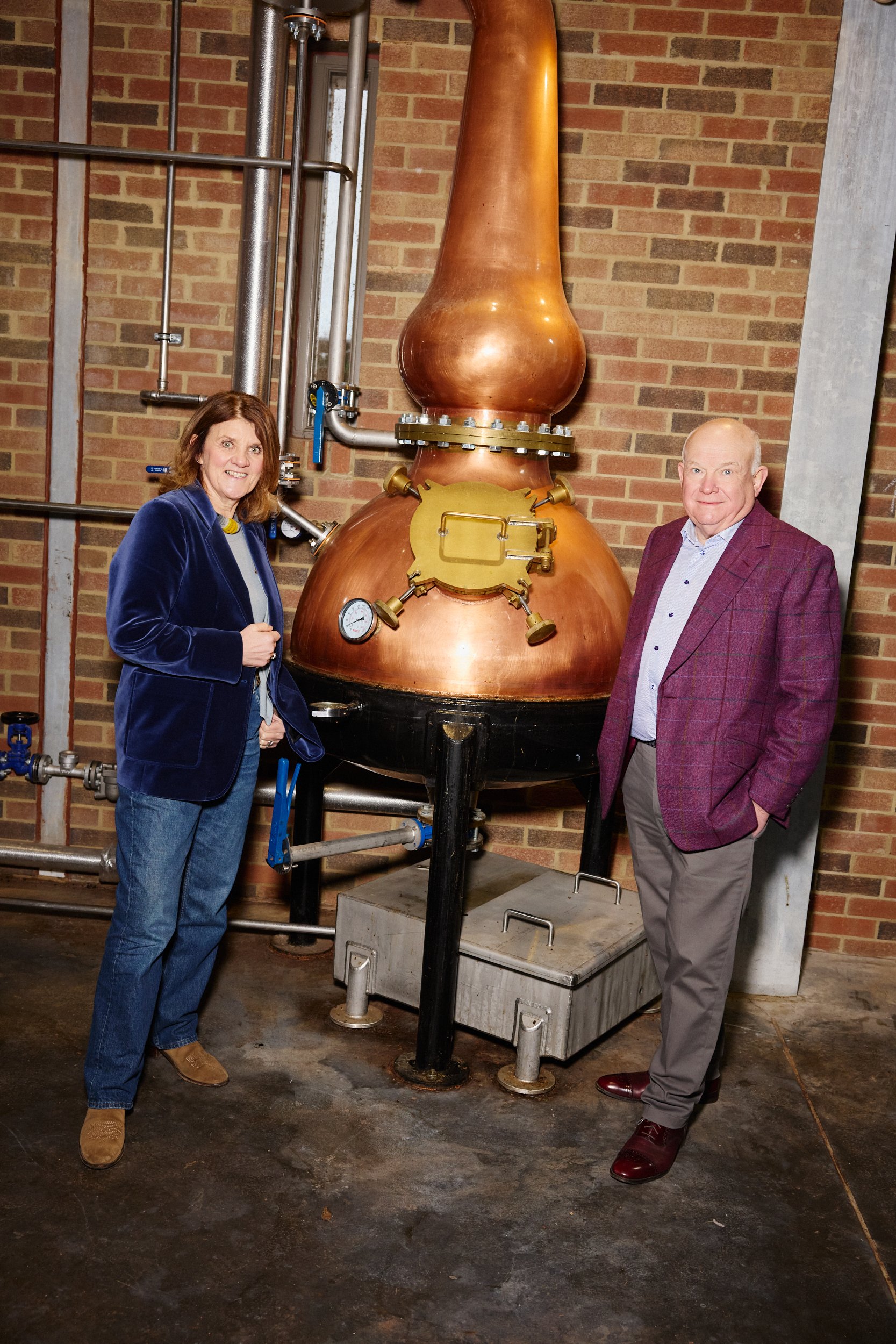
As two children of family businesses, you might expect Alan and Eileen to both be keen for their own children to be heavily involved, but they have differing opinions.
“I wanted them all to be independent,” Eileen says, “because I find it too stressful thinking that the future of my children and grandchildren lies on our shoulders.”
“I'm different to Alan,” she continues, “you see, he thinks it's brilliant, everybody being in the family business.”
Despite Eileen’s obvious strength of will, all five of their children are involved in various arms of the business.
Naomi looks after the Fergusons removals and self-store business; Shona, a chartered surveyor, is part of the commercial property arm; Susanna is at university in Glasgow, but is still roped in remotely.
Victoria and Chris are both involved in Ad Gefrin itself, and their two roles exemplify how remarkable the project is.
Chris, a PhD in archeology, is director of visitor experience and Victoria takes charge of spirit sales.
That’s because Ad Gefrin is a distillery, a venue, a bistro, and a museum of Anglo-Saxon history.
The idea began with Alan and Eileen, and then in 2018 they gathered the family together to explain the plan to invest in Wooler and create something for the community which had been close to their heart all their lives.
They had settled on the idea of a distillery and a visitor centre, and were looking for agreement to essentially bet the farm on their new endeavour, but they also got volunteers.
Chris was the first to put his hand up, and it changed the shape of the project, taking his background in academia and bringing his love of the region’s Anglo-Saxon past to the fore.
“Because of Chris, we've developed the museum to a very high standard,” Eileen says, “and then we've been accredited by the British Museum.”
That unlocked access to a number of artefacts from the Anglo-Saxon period which weren’t being displayed elsewhere.
The Ad Gefrin museum tells the story of the royal court of Saxon Northumbria, and of King Edwin and his queen Aethelburga, who were immortalised in Bede’s Ecclesiastical History of the English People in the 8th century.
Visitors can walk around a hushed and immersive experience, and the effort which has gone into compiling it is obvious, especially in a section which gives an impression of how large the great hall at Yeavering would have been.
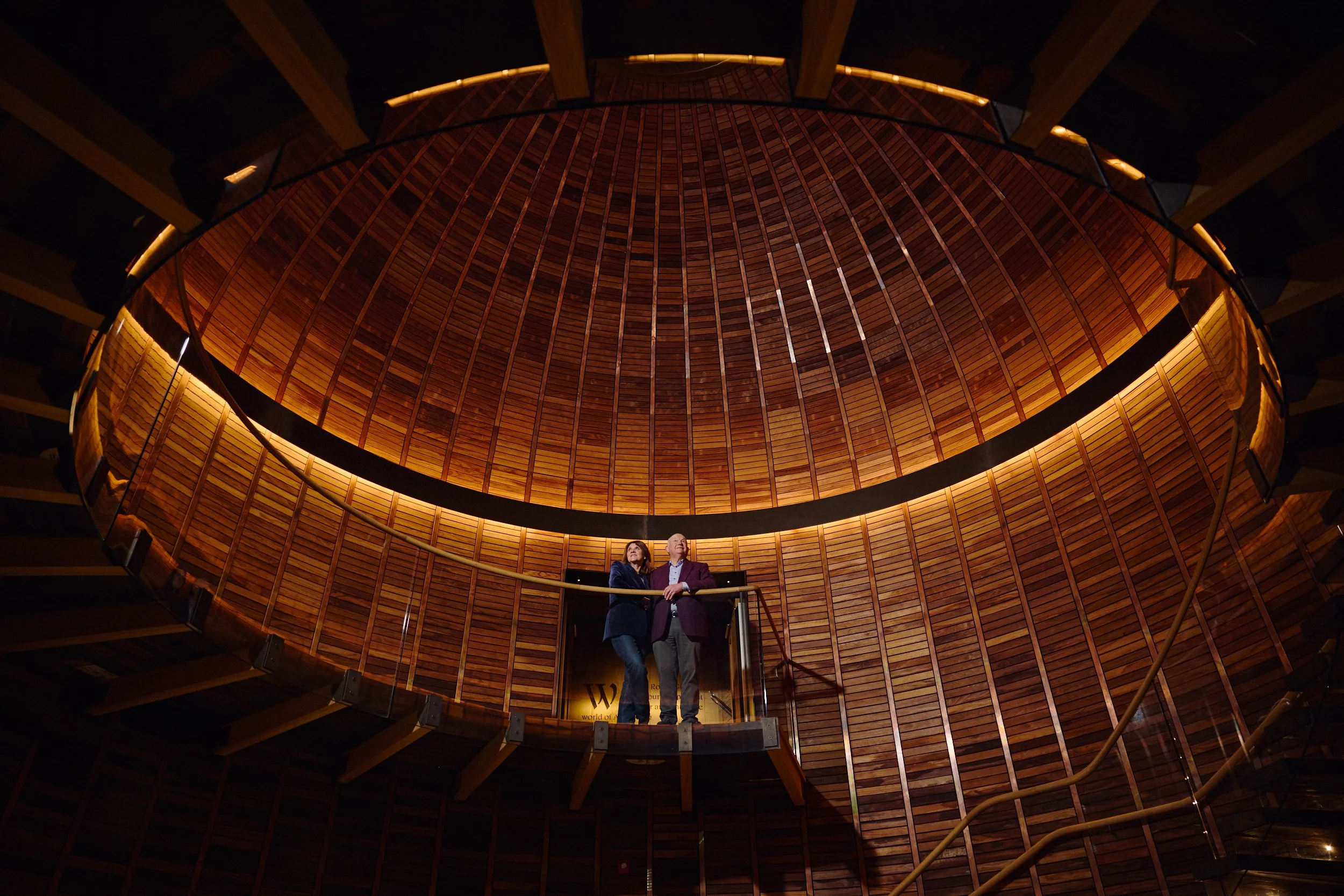
“Ben Murphy, our head distiller, always says, ‘it'll be ready when it's ready’
The whole of Ad Gefrin is dual-language, with the Anglo-Saxon featuring on signs and displays, giving a lovely insight to the language of the time.
Word hord for speech, ganotes baeth (gannet’s bath) for sea, lind-plega (shield play) for battle, woruld-candel (world candle) for sun.
The collection itself includes the 5th century Castle Eden claw beaker which was discovered in County Durham and acquired by the British Museum in 1947, and a silver brooch found just a stone’s throw from Ad Gefrin on Ramsey’s Lane in Wooler in 1928.
The Ramsey’s Lane brooch had been in the British Museum’s vault until Ad Gefrin opened in 2023, and finally provided a home for it to return to so the people of Wooler and the North East could see a part of their history.
It’s a laudable aim, but it’s also a sensible commercial move - alongside the bistro, retail offer and events space - to diversify the site as what is distilled at Ad Gefrin is whisky.
It takes at least three years to create whisky. The first on the Ad Gefrin site went into casks in December 2022, and they plan to release it in 2027, although it’s not on a strict timeline.
“Ben Murphy, our head distiller, always says, ‘it'll be ready when it's ready’,” Eileen says.
They are actively building a community around Ad Gefrin by allowing people to pre-order casks and have already sold around 150 which are ageing in their bonded warehouse on site.
And in the meantime, while the world waits for what might be the first Northumbrian single malt in two-thousand years, there is a gin and also a bespoke blend of Irish and Scottish whiskies.
The blend is called Tácnbora, the Old English for standard bearer, just like the ones who would have preceded the Northumbrian kings.
In Saxon times, they would have been marching to nearby Yeavering, where a great hall had been built for entertaining in the summer.
“They found the site at Yeavering after the Second World War,” Eileen says, “because they flew over the top and they could see contours in the earth.”
While the wooden structures at that original Gefrin have long since disappeared, what was there once rivalled York, Whitby and Bamburgh as seats of the Northumbrian crown.
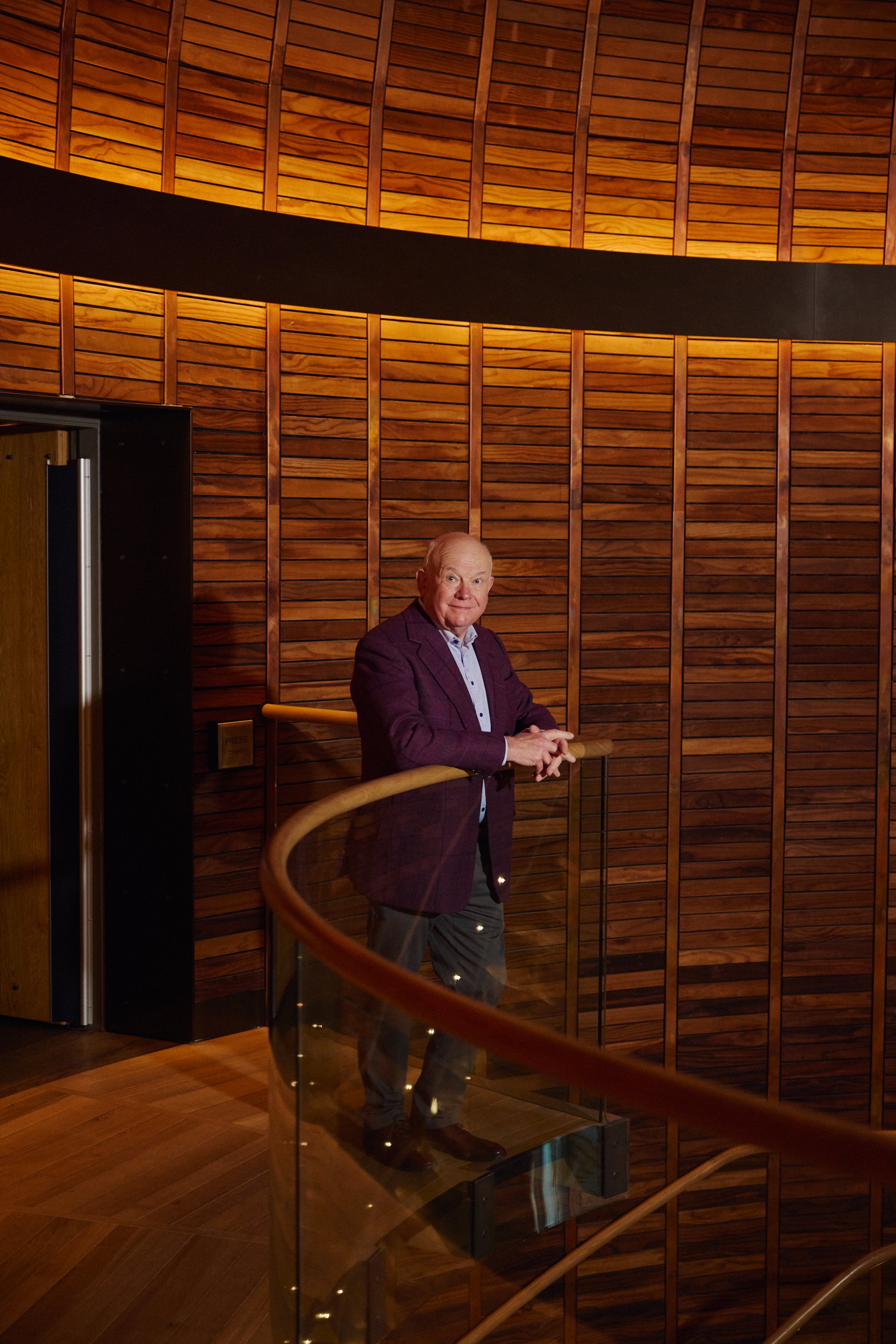
The new Ad Gefrin is equally impressive, with the wood panelled entrance hall giving you the sense of being inside a giant’s whisky cask.
It was designed by local architect Richard Elphick and throughout the site, the Fergusons have used local materials and local craftspeople wherever possible.
Eileen gives the example of specific hanging lights used in the bistro, which alongside a roaring fire give the space an incredibly cosy feel. While trying to source the light fittings the designer, who had been tasked with finding just Northumbrian makers, had to admit defeat.
“I can only find someone in Scotland,” they said, and while Eileen decided she could probably live with that, it turned out the lights were made in Coldstream - not even fifteen miles from Wooler.
It’s a truly local endeavour, and many of the staff are also Wooler residents. The intention is for Ad Gefrin to feel communal, and to invoke the Northumbrian hospitality and sense of belonging which the region is rightly famous for - a collective feeling of being sat at a friendly kitchen table.
The member’s whisky blends are named corengyst (chosen guest) and corenkin (chosen kin), while the gin is named Thirlings for the village where the entourage would have stayed while the royals were at Yeavering.
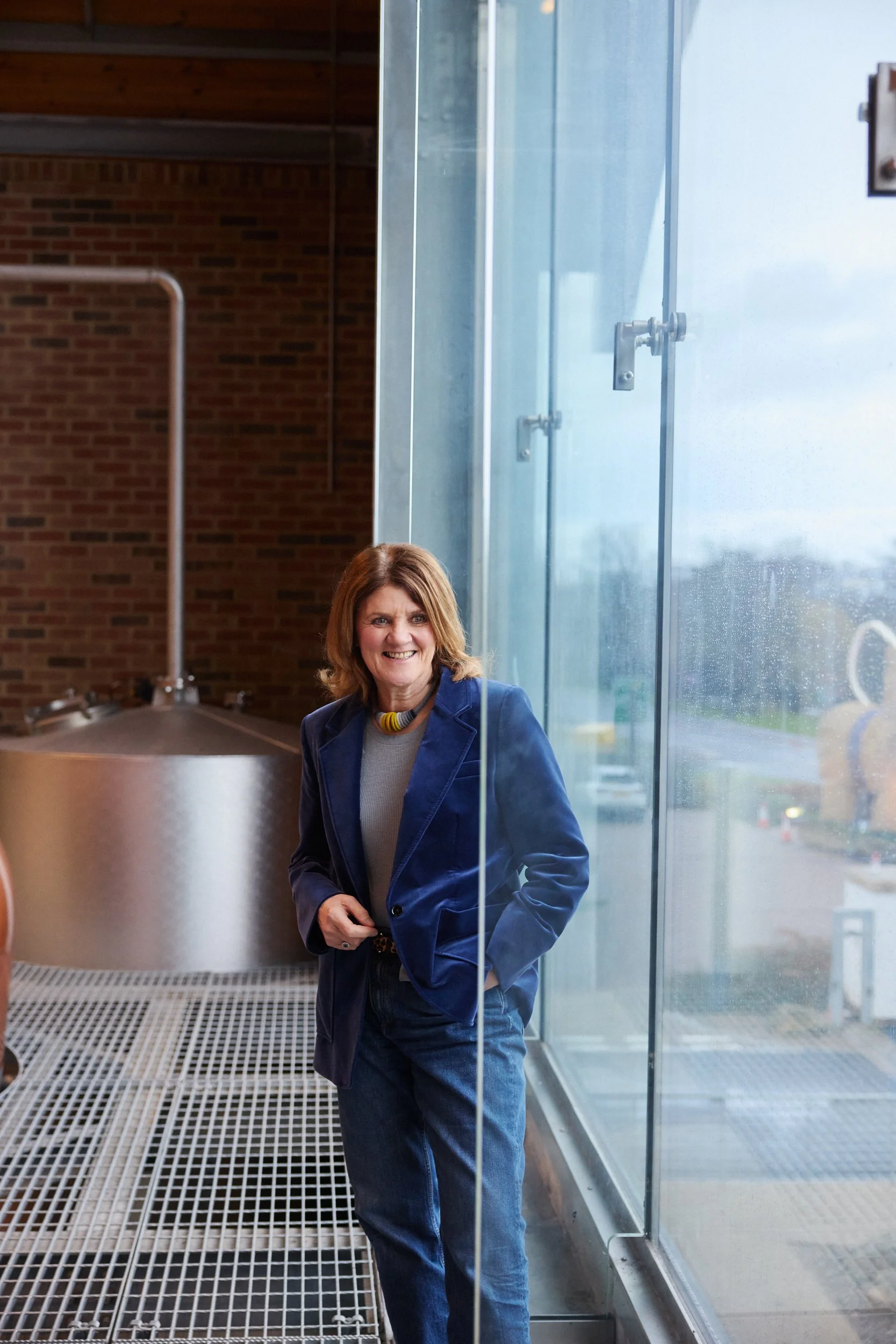
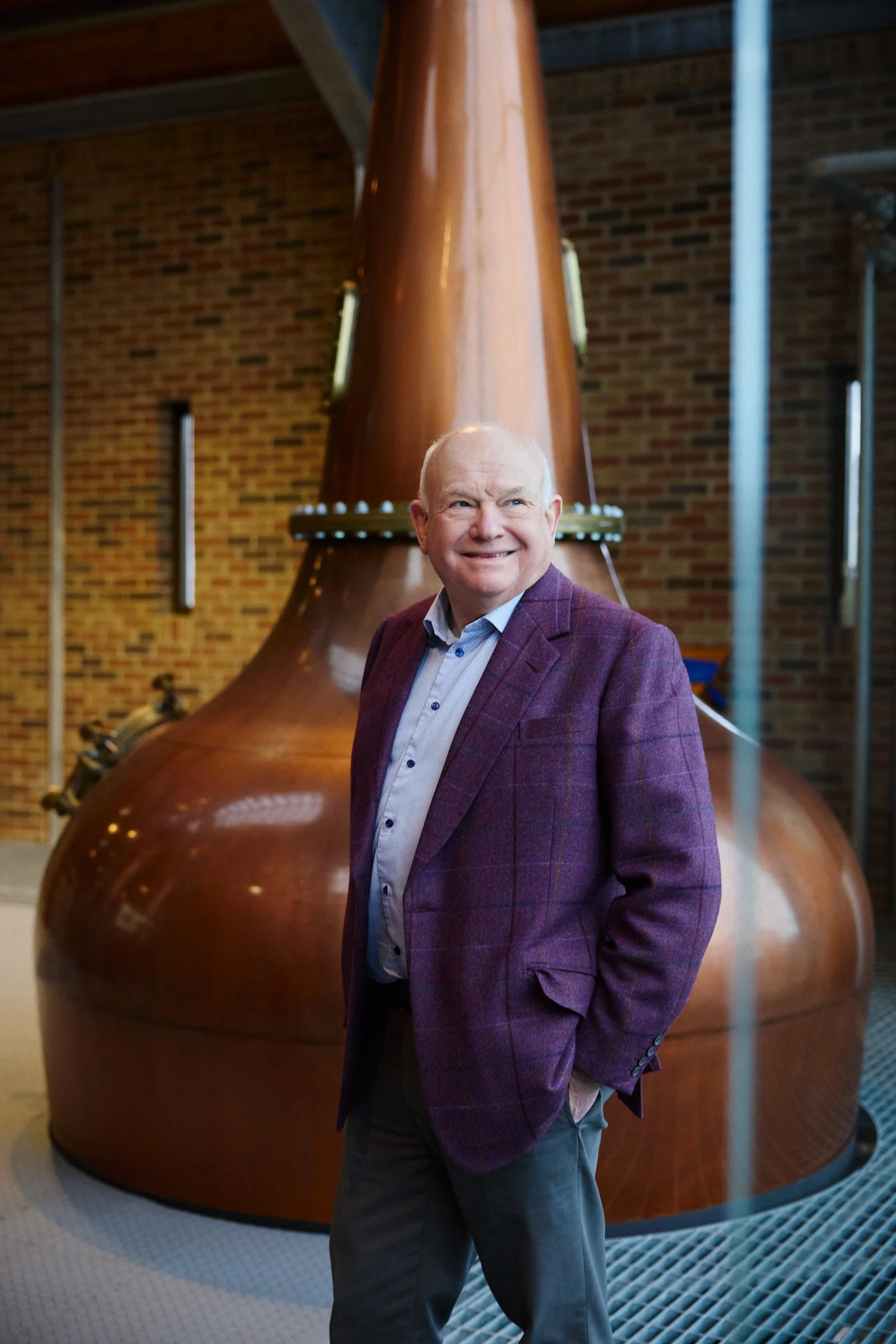
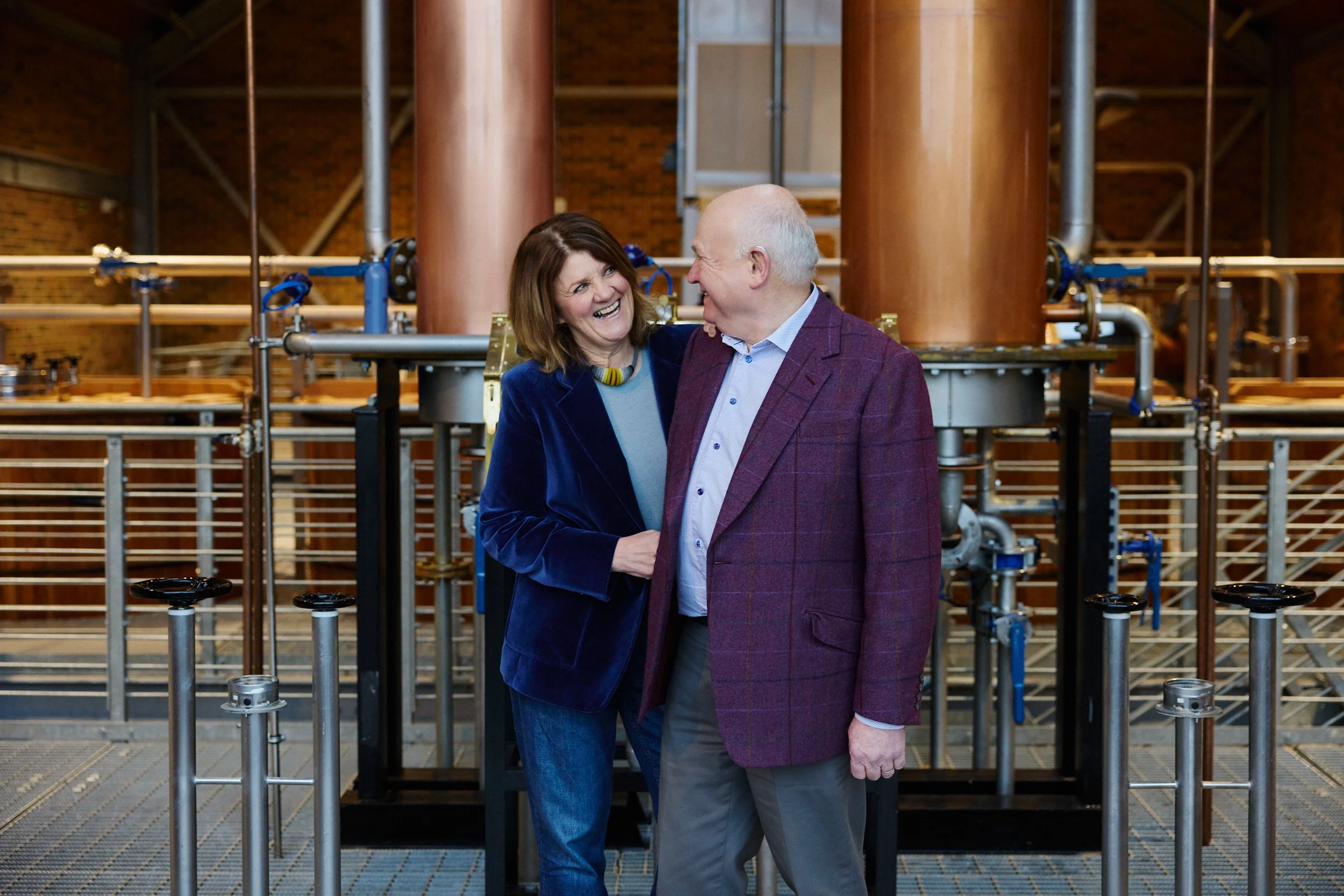
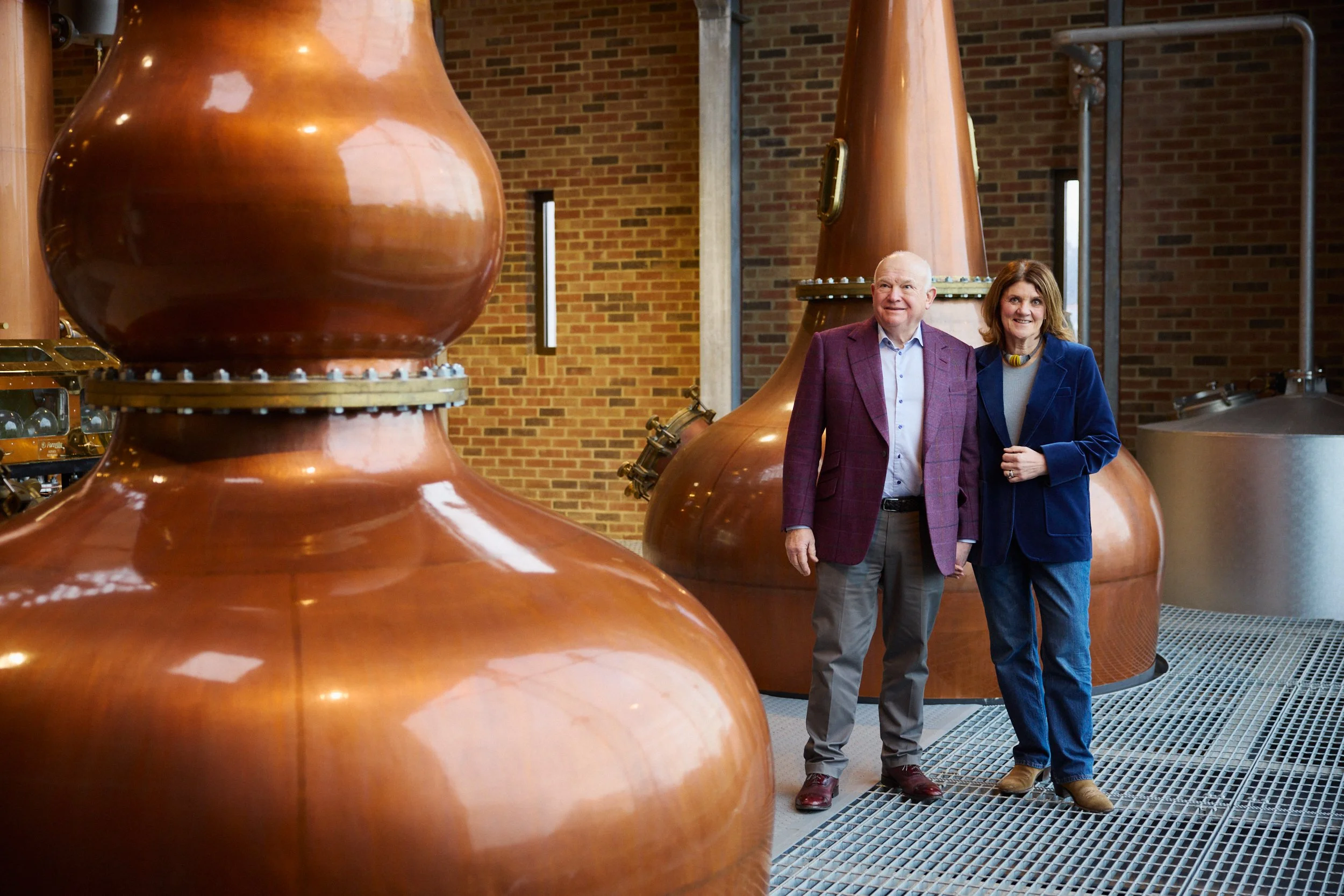
The distillery itself is fascinating, and feels part-alchemist’s lab and part-submarine, with the huge copper-coloured stills emerging from the upper level and a labyrinth of pipework, valves and dials below steel-grated walkways.
Elements of the original buildings remain too, with period brick and stonework obvious in window arches and doorways, a reminder of the layers of history built on top of each other on the site.
Some of the old steam laundry buildings form the entrance to the bonded warehouse space, and while the nature of such a warehouse means it is out of bounds to visitors, there is a peaceful space on the upper level where they hold talks and tastings.
From there rows of casks can be viewed through large windows, waiting as time works its magic on the whisky inside, kept dark, cool and partially built into the earth to reduce the so-called angels’ share from evaporation of the liquor.
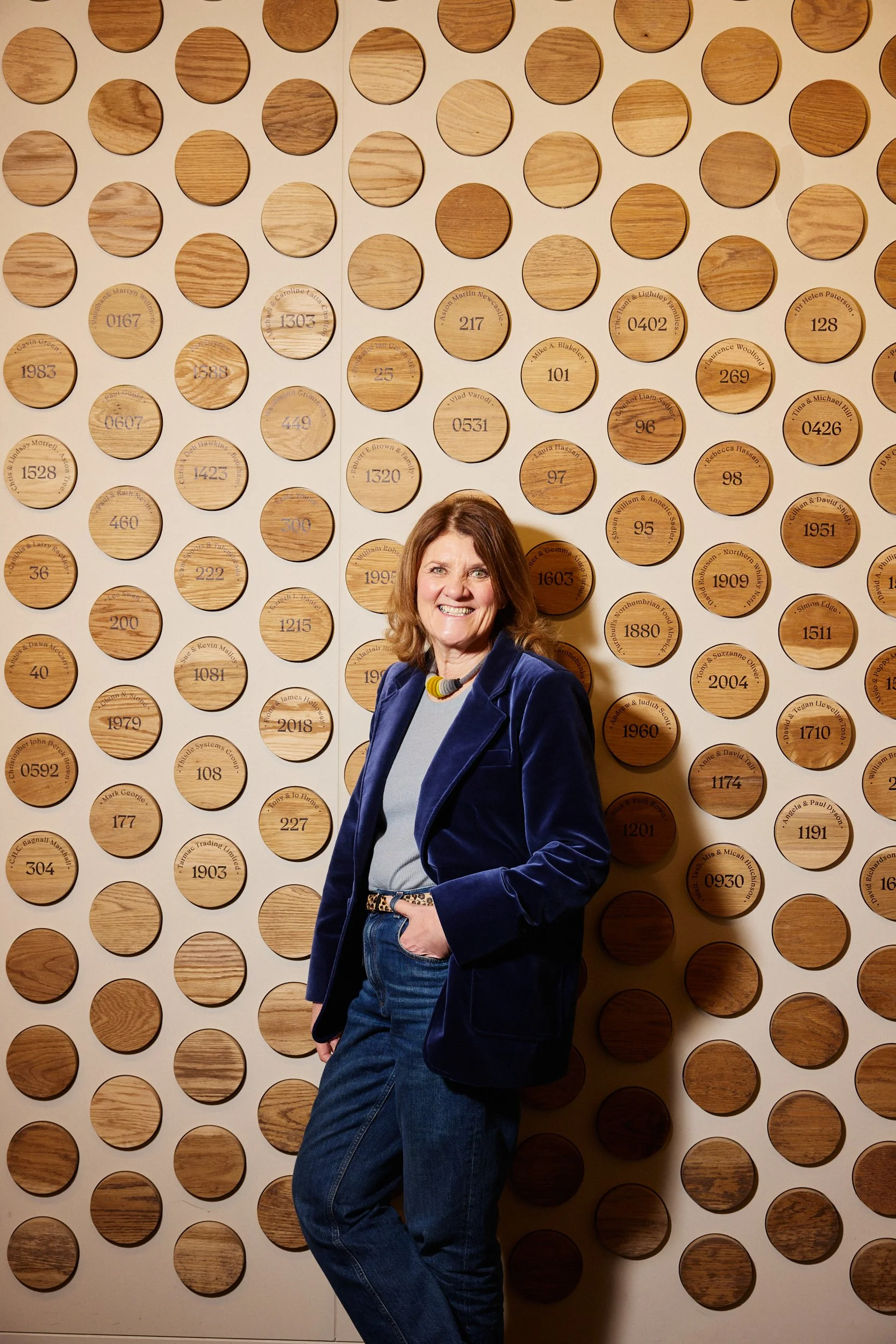
Walking back out, you pass through a corridor where the walls are lined with wooden roundels with the names of those who have backed the Ad Gefrin project.
It’s a Who’s Who of Northumberland, and includes friends, colleagues, clients and suppliers from decades of business at Fergusons, all wanting to show support for Eileen and Alan, and to buy into Ad Gefrin’s vision of the region’s community.