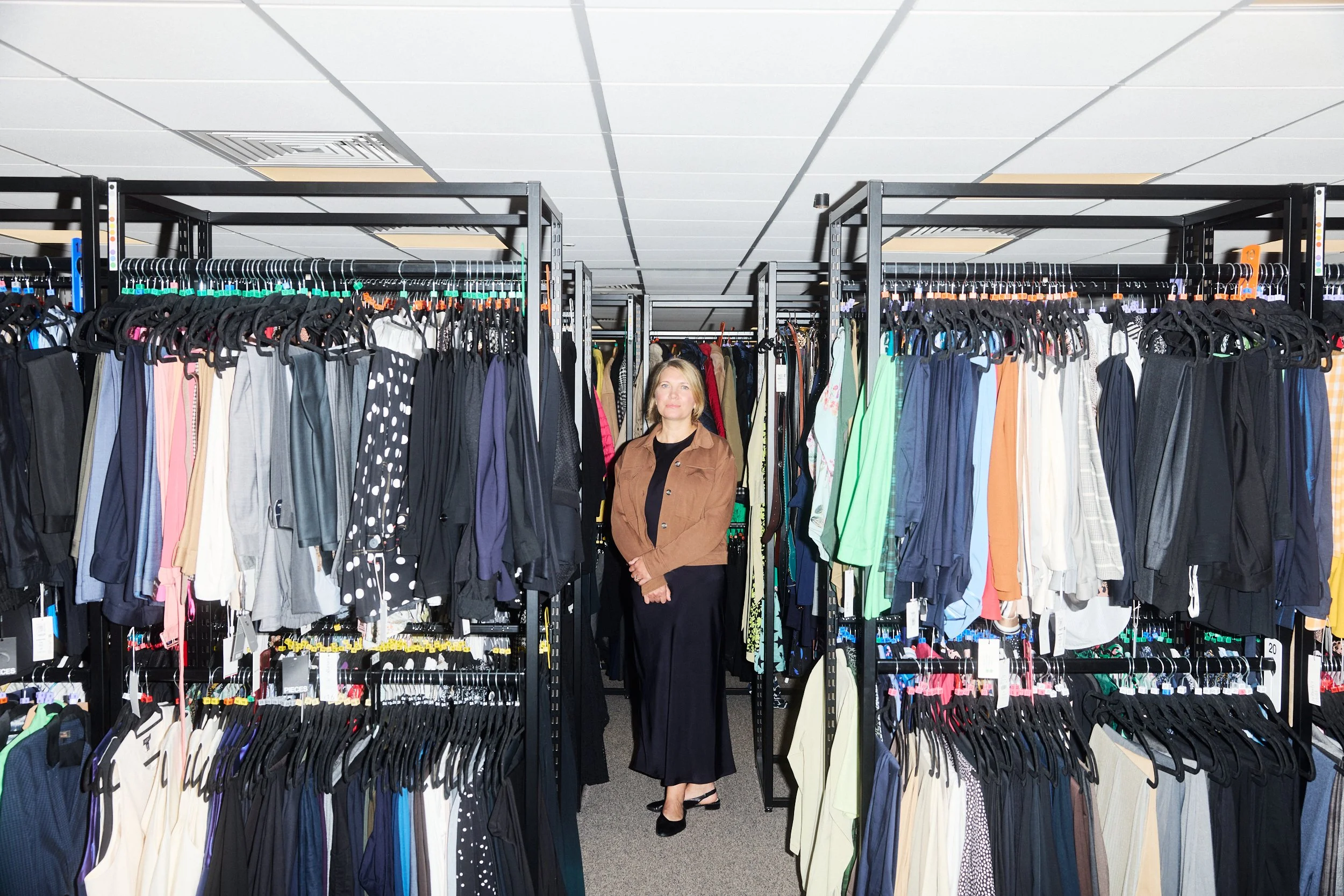
Helen Boyd
From doubting her own potential to leading one of the North East's most impactful female employment charities, Helen Boyd has found a way to combine her lifelong love of fashion with a deeper purpose. As someone who once believed a lack of qualifications would close doors, Helen now spends her days opening them for others as Head of Smart Works North East - helping women from all walks of life dress for success and reclaim their confidence.
Interview by Jane Imrie
Photographs by Christopher Owens
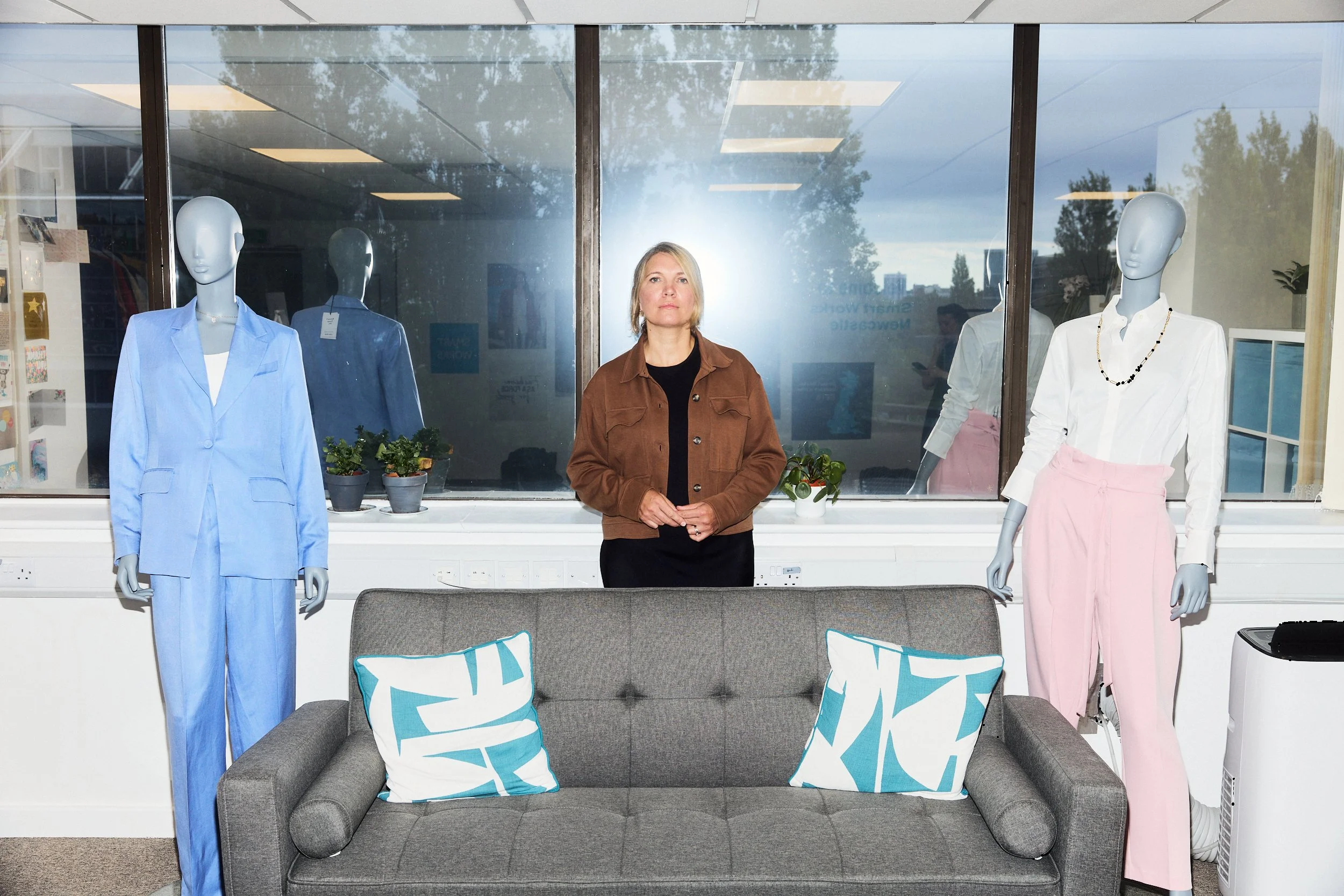
STYLE
AND
SUBSTANCE
The striking thing about Helen Boyd is her humility, borne from a lived experience both unique yet reminiscent of the challenges that thousands of women in the region - and beyond - face during their careers.
As the head of Smart Works North East, Helen is used to throwing herself into the day-to-day operations of the female employment charity, which dresses and coaches women for interview and job success.
She wears many metaphorical hats (as opposed to the many physical ones which adorn the shelves of the charity’s vibrant Newcastle city centre office!) to help women from all walks of life regain their confidence and find fulfilling employment - from fundraising to strategy and marketing to overseeing the service delivery itself.
It would be easy to feel intimidated by the leader of such an impressive and high-profile organisation transforming career trajectories and self esteem for many local women. So when I first met Helen, it was hugely refreshing to meet a fellow introvert, for whom self-promotion doesn’t come easily.
Helen’s own background is one that mirrors my own in many ways: a North East woman who has had an unconventional career path, has faced crises of confidence, left and returned to the region, and has embraced her skills to create change for good.
Taking a deep breath, she prepared to step out of her comfort zone and share her unique experiences and valuable insights with me.
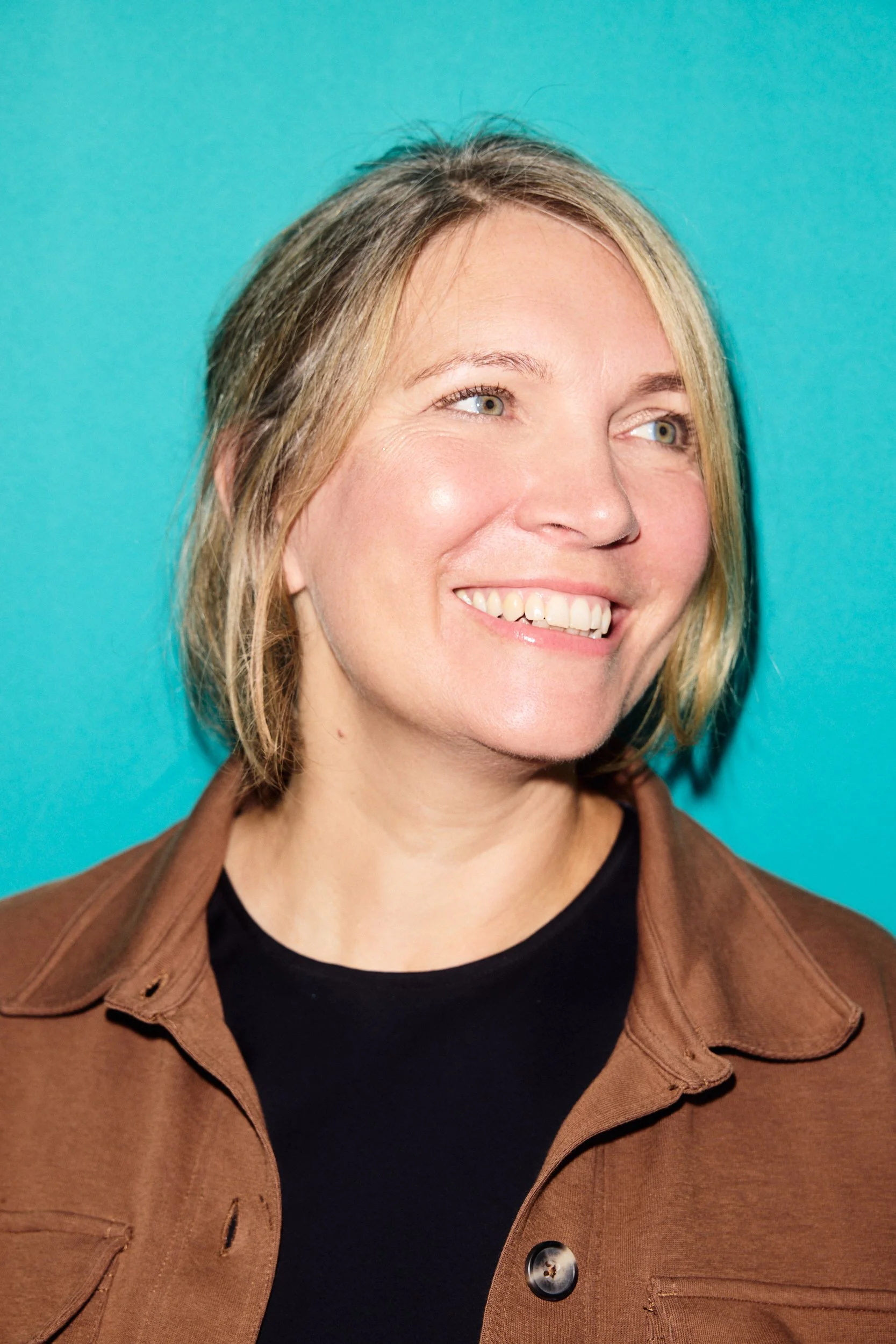
“Everything about it - the clothes giving you confidence - that was very much how I feel about what clothing can do, and the sustainability element with donated items, and using fashion as a force for good.”
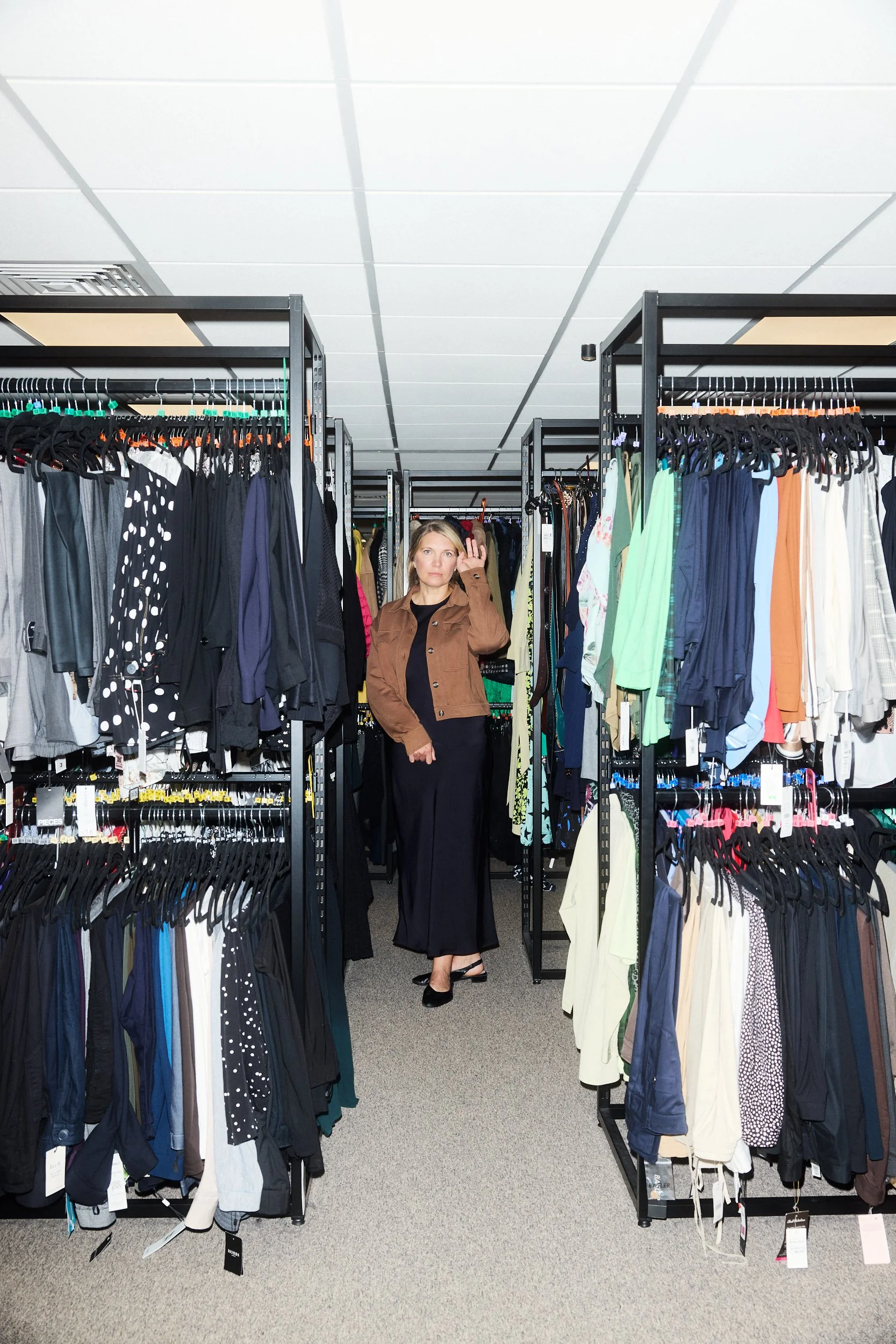
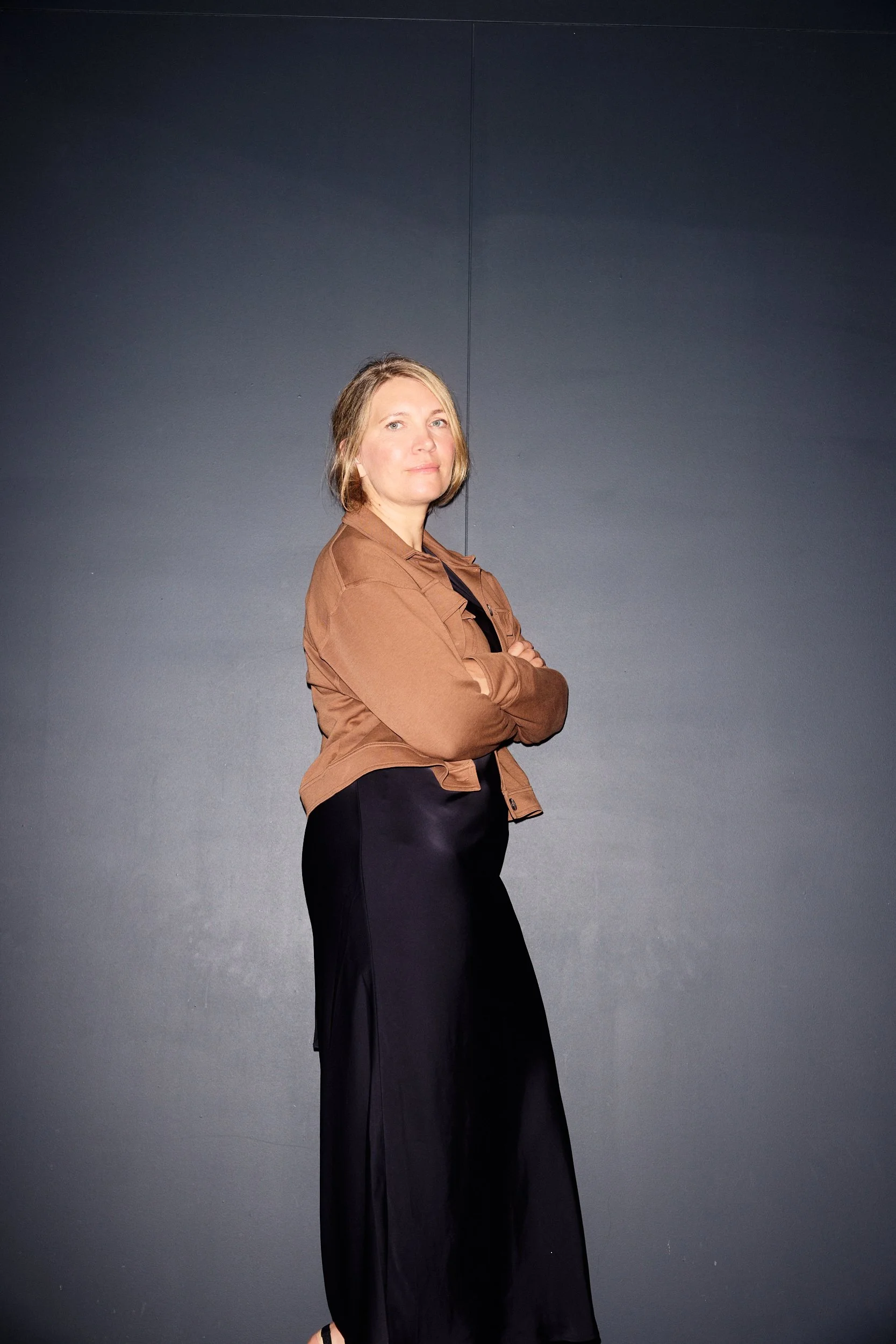
For Helen, her love of clothing, textiles and fashion has been with her since the very beginning. She has a deep connection with not only the creation and purpose of garments, but also the power they have to help shape identities.
“I've always loved clothes and fabric and the construction and historical costumes,” she explains, “I think daily about what I'm going to wear and how it's going to make me feel.”
Helen’s early experiences with education were not the easiest, but it was this passion for clothing and fashion that spurred her on: “I wasn't massively academic at school. I shouldn't have done A Levels, but I wanted to stay at school with all my friends. I got one A Level… but I was determined to go to London College of Fashion, and I managed to get in with just the one.”
A dyslexia diagnosis that came during her time studying for a HND at the London College of Fashion - thanks to the thoughtful observations of one of her lecturers - finally gave Helen some clarity on her abilities and style of learning. She did however feel that for a range of reasons, the career options open to her were limited.
“I left school in 1998, so we did not have social media that told us what all these other amazing creative roles could be,” she says, “If I wanted to work in fashion it would have to be fashion journalism, which I decided I couldn't do because of my dyslexia. I really put that barrier in place, and maybe it was a bit of a protection for me.”
The other option open to Helen was fashion design - a rather thornier and more complex path to navigate - particularly for a Northerner. “Fashion design is cutthroat… and I couldn't afford to stay in London,” she explains.
These early experiences of trying to enter a hugely competitive industry while managing life with dyslexia left a deep impression on Helen, one that would stay with her throughout her career.
“I think failing my A Levels and not having a degree, when I've got some incredibly academic and high achieving friends, gave me a complex. I thought, ‘There's so many jobs I'm not going to be able to do if I'm dyslexic, because if I'm dyslexic, because I cannot write reports. I can't do this or do that.’
“Not having the degree was such a massive deal to me for so long. But I always loved clothes, and I always loved fashion.”
After completing her HND, Helen found herself harnessing her creativity through retail - landing a role at Accessorize in Newcastle’s Fenwick store as an assistant manager. It was here where she discovered visual merchandising, and from there she went on to become a Visual Manager at interiors brand The Pier.
“I didn't necessarily get the fact that visual merchandising was an actual job, so once I discovered that, it fed into my creativity,” she explains. “And I didn't have to be writing reports and things for that!”
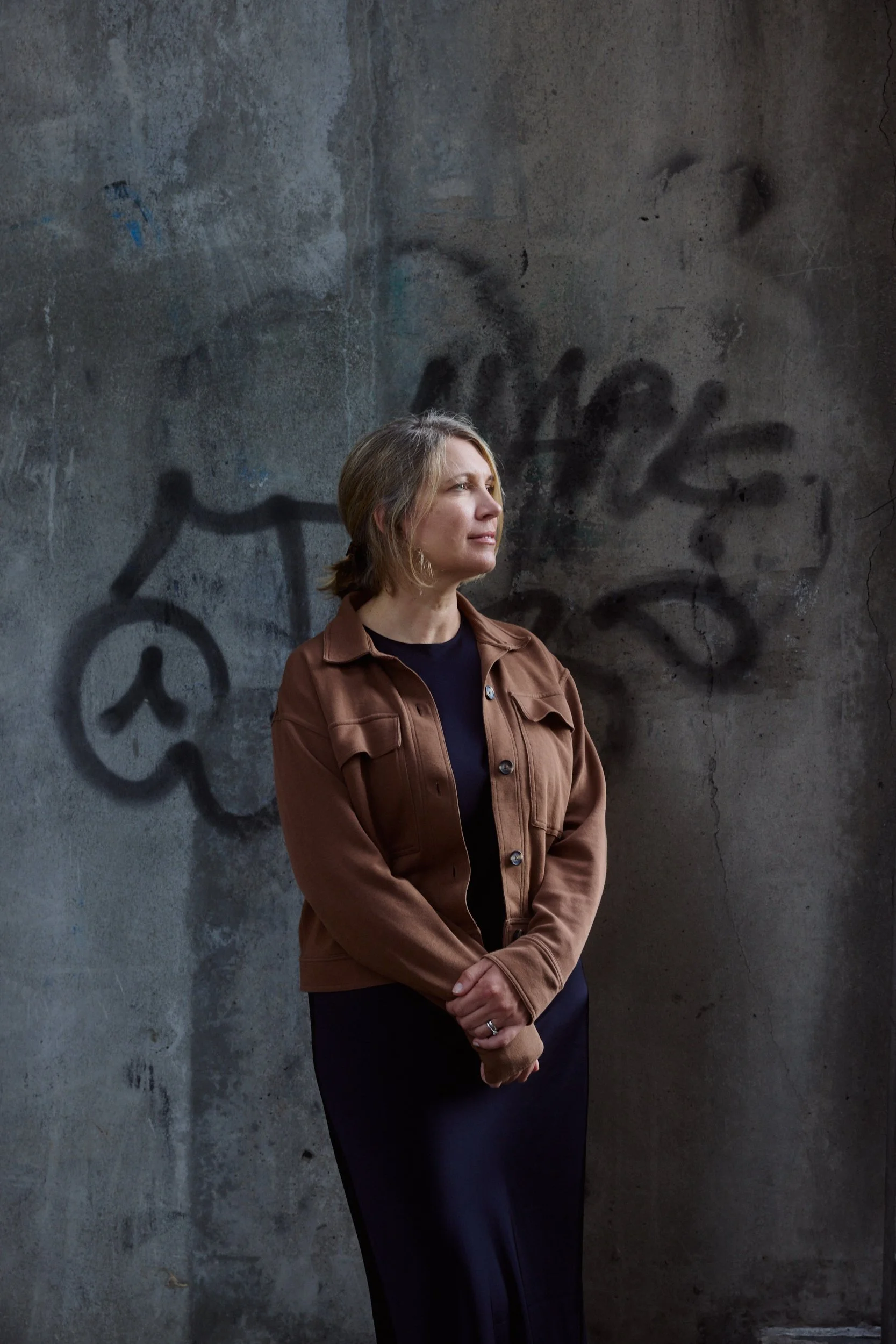
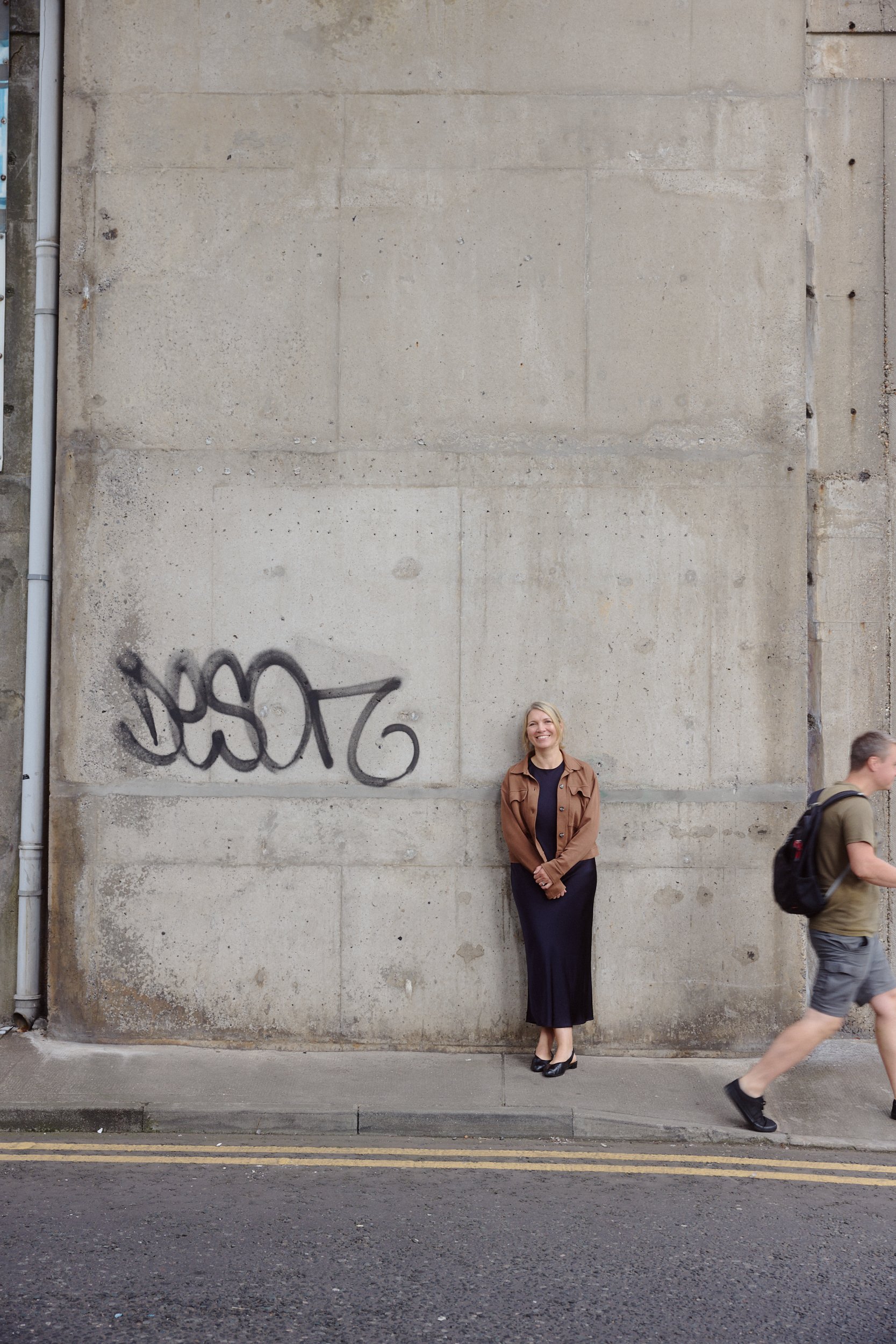
Having discovered her talent, Helen could not be stopped. Even when she took a break from her fashion career to move overseas with her husband, her passion for the industry never waned. In fact, it evolved into something more purpose-driven. “I knew I wanted to work in the charity sector,” she says.
Upon her return to the UK, Helen settled in London, working as a volunteer and temp at several charities before discovering Bag Books, an organisation that creates multi-sensory books and storytelling materials for people with profound and severe learning disabilities and special educational needs.
Beginning as a volunteer at Bag Books, Helen then became a paid craft artist, and from there became a coordinator for the organisation. While only being a temporary role, this gave Helen her first taste of working across multiple business areas - something that would lay the foundations for her career trajectory with Smart Works: “It just gave me so much experience of managing lots of different moving parts.”
Despite being down south, Helen never forgot her roots, and kept an eye on the developments happening in the North East.
“Because of working in the charity sector in London, I'd heard of Smart Works and I knew what they did. I thought: ‘Wow, if they ever open in Newcastle, that would be amazing,” she remembers.
After stints at the Royal College of Art and CAN Mezzanine, Helen and her family made the decision to come back to the North East. “My husband and I are both from the North East, and once our son was born, we just thought ‘we want to go home’, you know?” she says. As a fellow North East returner, I could relate.
As it happened, Helen’s return serendipitously coincided with the launch of Smart Works North East (then Smart Works Newcastle) in 2018 - arguably a sign that she had ended up exactly where she was supposed to be.
She joined the organisation straightaway, initially as a wardrobe volunteer then as service delivery lead, before being promoted to Centre Manager in 2021, then finally becoming head of the organisation earlier this year.
For Helen, being at Smart Works North East was the natural trajectory for her. “Everything about it - the clothes giving you confidence - that was very much how I feel about what clothing can do, and the sustainability element with donated items, and using fashion as a force for good,” she explains.
“What really resonated with me was how the organisation was building the confidence of local women. I just feel it's such a valuable service.”
“I think failing my A Levels and not having a degree, when I've got some incredibly academic and high achieving friends, gave me a complex.”
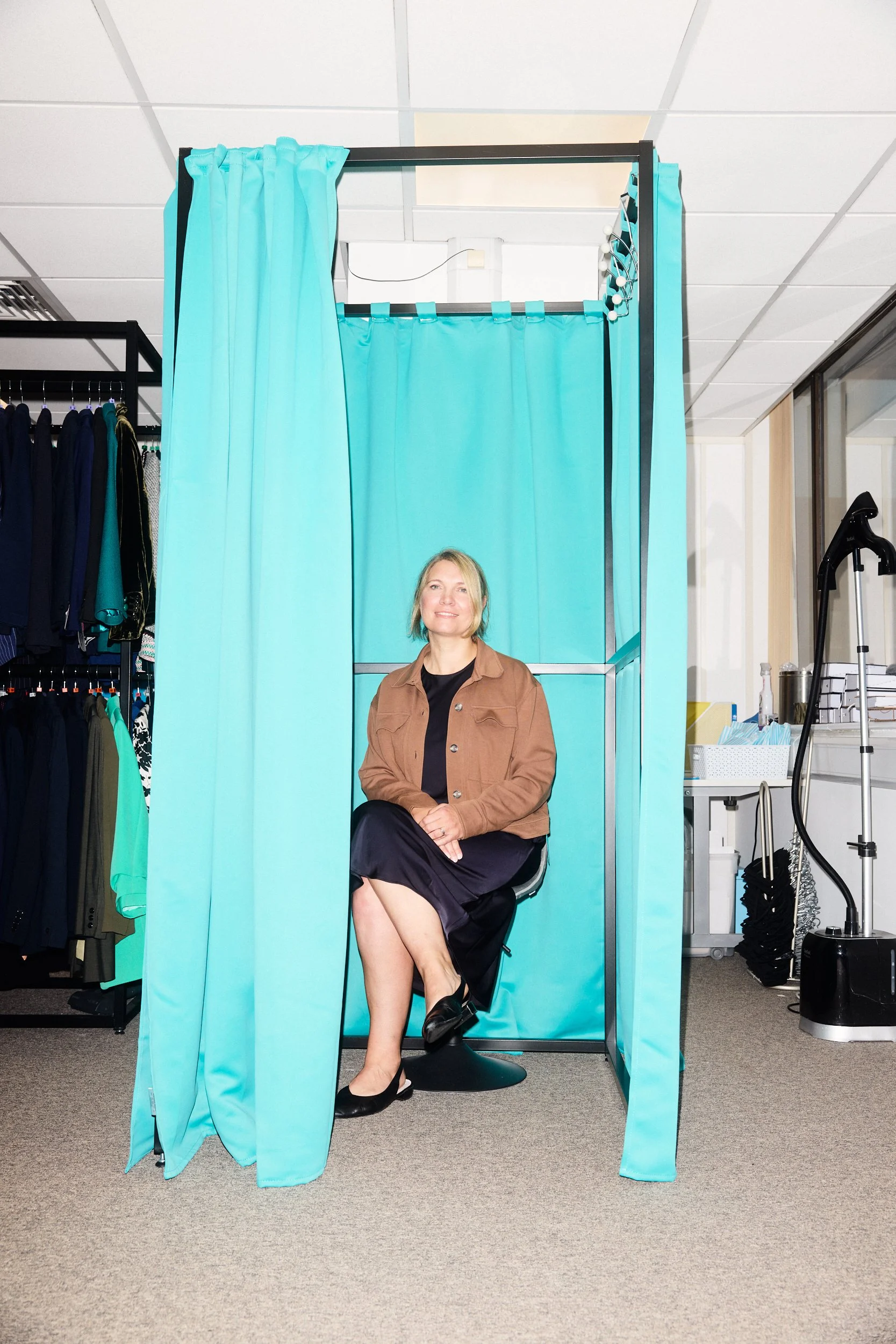
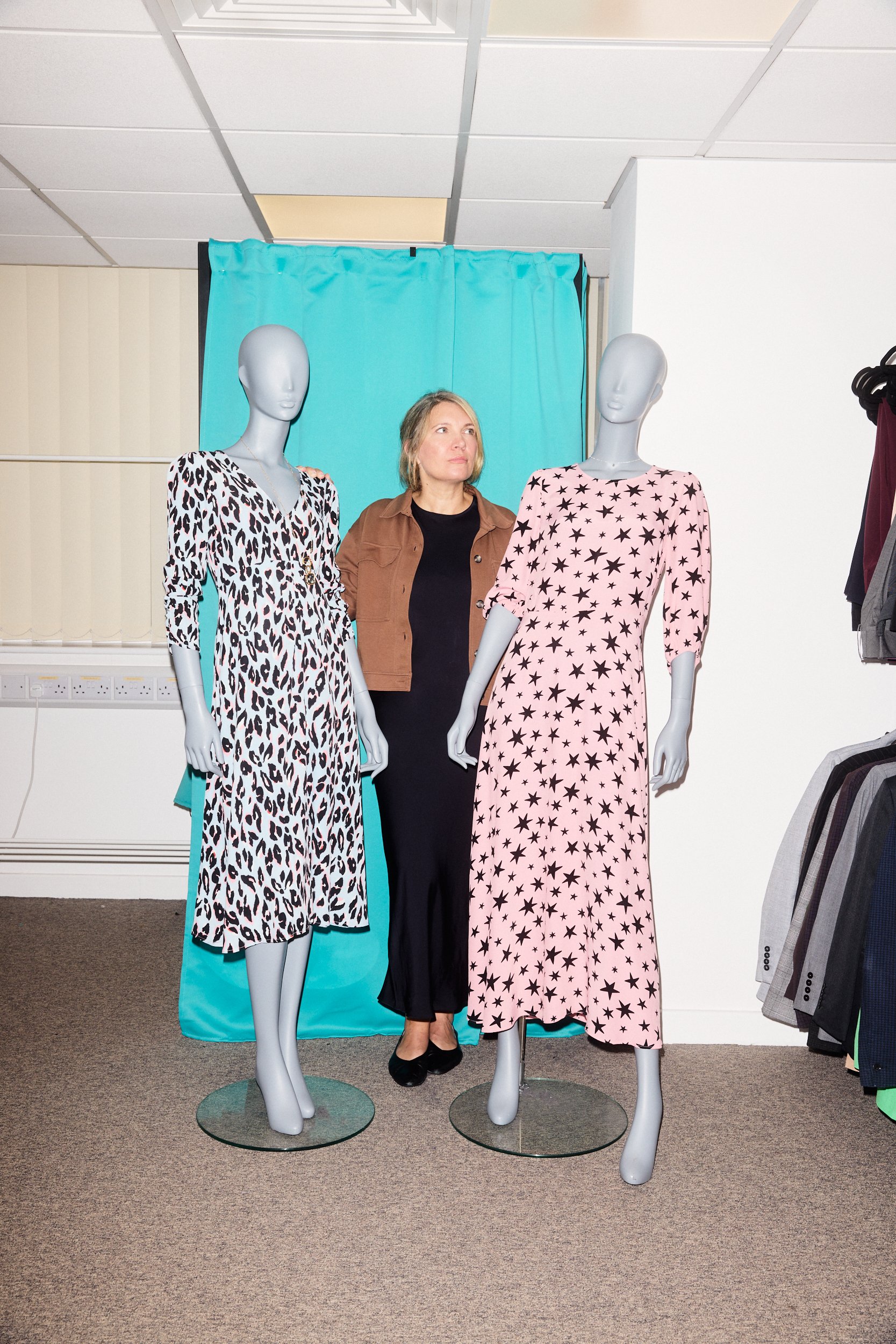
The organisation prides itself on being inclusive, not only in terms of supporting women of all backgrounds, but removing barriers for those who find navigating the employment market difficult or stressful.
“It's for every woman who needs us, and it doesn't matter your background, your experience. If you're unemployed, you can use the service,” Helen clarifies.
“I think what the Smart Works outfit gives clients is peace of mind - they don't have to worry about clothes on the day.
“All the things you have to worry about when you go for an interview, particularly our clients… often it's getting somewhere new, that nervousness of going out of a comfort zone, meeting new people, trying to sell yourself when really your confidence and self esteem is quite low.
“It's having to consider: have you got childcare? Can you get the kids dropped off at school? You know, have you got your bus fare? But actually, if you can just lay your outfit out, put it on and it's comfortable, and you can walk into your interview confident.”
Working at Smart Works allows Helen to reconnect with her lifelong passion for clothing, styling and fashion on a daily basis, as well as be part of a wider change for good.
“Throughout my career and as I got older, and the world changed a little bit, I was starting to become aware of sort of sustainable fashion,” she says. “At Smart Works we prioritise sustainable fashion where we can. We want the clothing that we use to last a long time, because actually, that's more sustainable.”
For Helen, seeking work does not have to mean sacrificing personal style - in fact, she believes it can often be the thing that makes successful candidates stand out.
Smart Works North East has a team of stylists who support those who come through the door to look and feel their best selves. “Our stylists have not necessarily worked in fashion - they’re just women who love clothes, who often have had lived experience of unemployment themselves, and the service really resonates with them.”
In addition to styling services, Smart Works offers comprehensive coaching support to boost the confidence of clients, with dedicated work coaches offering guidance ahead of interviews. Even now, this expertise still ignites something in Helen: “I often overhear coaches' little snippets of conversations, and it stops me in my tracks.”
It might be hard for some to believe that someone in Helen’s position could be affected by hearing these insights, however in sharing this, she reveals a much wider and little-discussed truth around employment and confidence.
“It doesn't matter who you are,” she explains. “I meet a lot of very, very senior people in my job, people who were CEOs of huge corporate organisations. They have managed huge budgets, had hundreds of employees below them and huge responsibility, but as soon as it comes down to selling yourself, they find it really hard.”
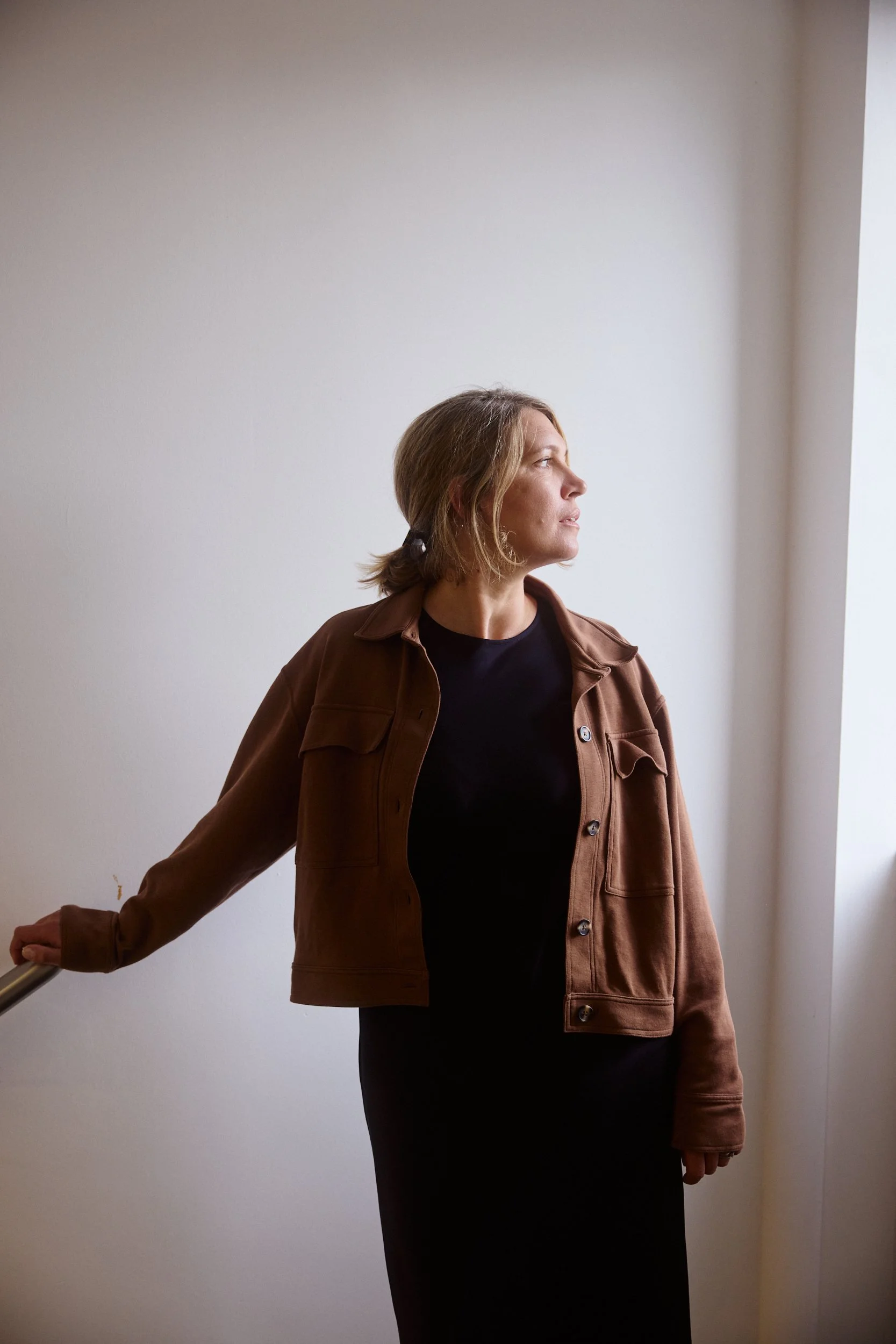
“Our stylists have not necessarily worked in fashion - they’re just women who love clothes, who often have had lived experience of unemployment themselves, and the service really resonates with them.”

“Childcare remains one of the biggest barriers for women. Holiday clubs are extortionate, nurseries are extortionate. School days aren't the same as working days, and it is very difficult to find flexible roles.”
For Helen, supporting working women will continue to be especially important into 2025 and beyond, largely because of the persistent inequalities of caring responsibilities which still continue despite varying degrees of progress in society.
“Childcare remains one of the biggest barriers for women,” she says matter-of-factly. “Holiday clubs are extortionate, nurseries are extortionate. School days aren’t the same as working days, and it is very difficult to find flexible roles.”
Add to this the insidious discrimination of mothers that takes place in many workplaces, and it’s easy to see how confidence can be eroded.
“When you work part-time, you always feel like you're not doing enough at work…you're maybe not finishing tasks, and you have to run out the door. You feel that people are looking at you going: ‘Oh, well, you're not as productive’,” Helen says, her expression perhaps hinting at a personal memory of this silent but devastating judgement.
It is this lack of confidence that Helen sees in the Smart Works North East office every day, as women looking to return to the workforce are encouraged to identify and reconnect with those skills that unbeknownst to them, they’ve been using all along.
“A lot of women who have been at home with kids speak to our coaches and they'll say ‘I haven't got any skills’. But our coaches are really good at going ‘Hang on a minute. You've managed a family. You've got budgeting skills, you've got negotiation skills.”
“That's one of the key things - really making people realise that those skills from home translate into the workplace,” she explains.
As someone who struggled academically, it’s no surprise that as well as supporting clients at all stages of their careers, Helen is passionate about giving the next generation of working women the help they need, and has ambitions to expand this side of Smart Works.
“Young people are great to work with because it's so important for them to see different workplaces, and not just get opportunities because of who their parents are, and the contacts that their parents might have,” explains Helen.
“We're hopeful that we can explore more opportunities to engage young people through work experience and career coaching, because those foundations of early careers, the skills and the confidence can absolutely just set you up.”
After what Helen herself terms a “squiggle career”, it seems as though she has well and truly found her place at Smart Works North East - somewhere she can harness her many talents to continue driving real change for women across the region.