
When They Come To Visit
Building A New Space For Latin American Culture In Newcastle
Interview by Lauren Regan
Photography by Christopher Owens
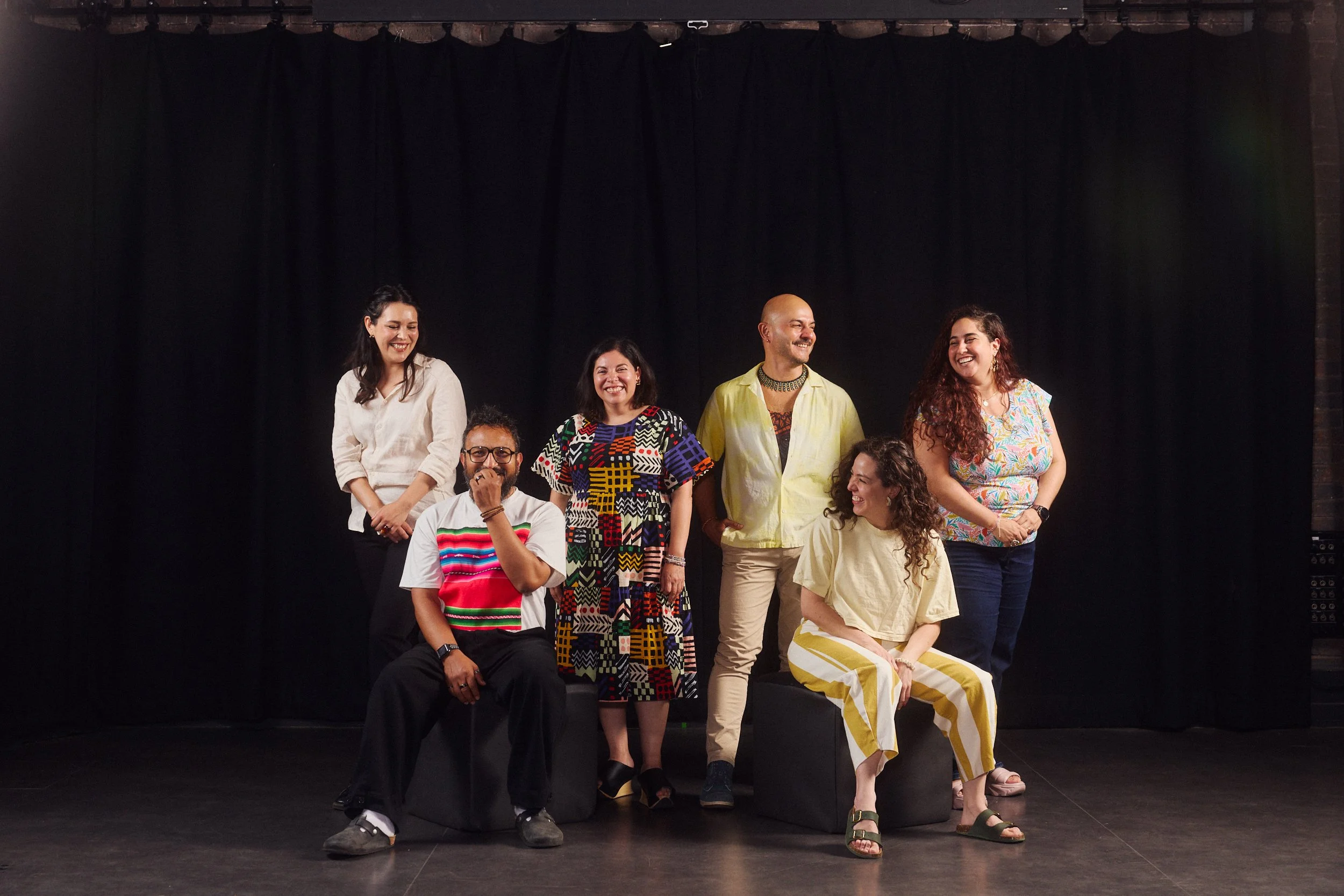
For the committee behind Northern Stage’s Day of the Dead, When They Come to Visit celebration this October, the tradition doesn’t begin with skulls, costumes or colourful imagery, it begins with family.
It tastes like hot chocolate, pan de muerto and the enchiladas sold at the local university; it looks like a small altar in the family home, photographs nestled between candles and flowers, and bringing everyone together to remember the people they had lost.
“We would put out their photographs, candles and a few flowers, say a prayer for them, and share stories and memories about them while setting the altar,” says Itzel, one of the committee members behind the event taking place at Northern Stage on October 23rd.
“My memories of Day of the Dead are actually very warm ones. I associate it with being surrounded by family and friends, remembering people we loved, eating together and feeling connected.”
Now living in the North East, those memories are helping Itzel and a newly formed group of Latin American creatives and community members create something of their own - a contemporary Day of the Dead celebration, shaped not simply around how the tradition looks, but around what it means to the people carrying it with them thousands of miles from home.
This October, Northern Stage will host When They Come to Visit, a contemporary celebration inspired by Day of the Dead and created by a newly formed Latin American Creative Events Committee. It will bring music, performance, food, craft, storytelling and an altar into the theatre, inviting audiences to journey symbolically into the afterlife and back again.
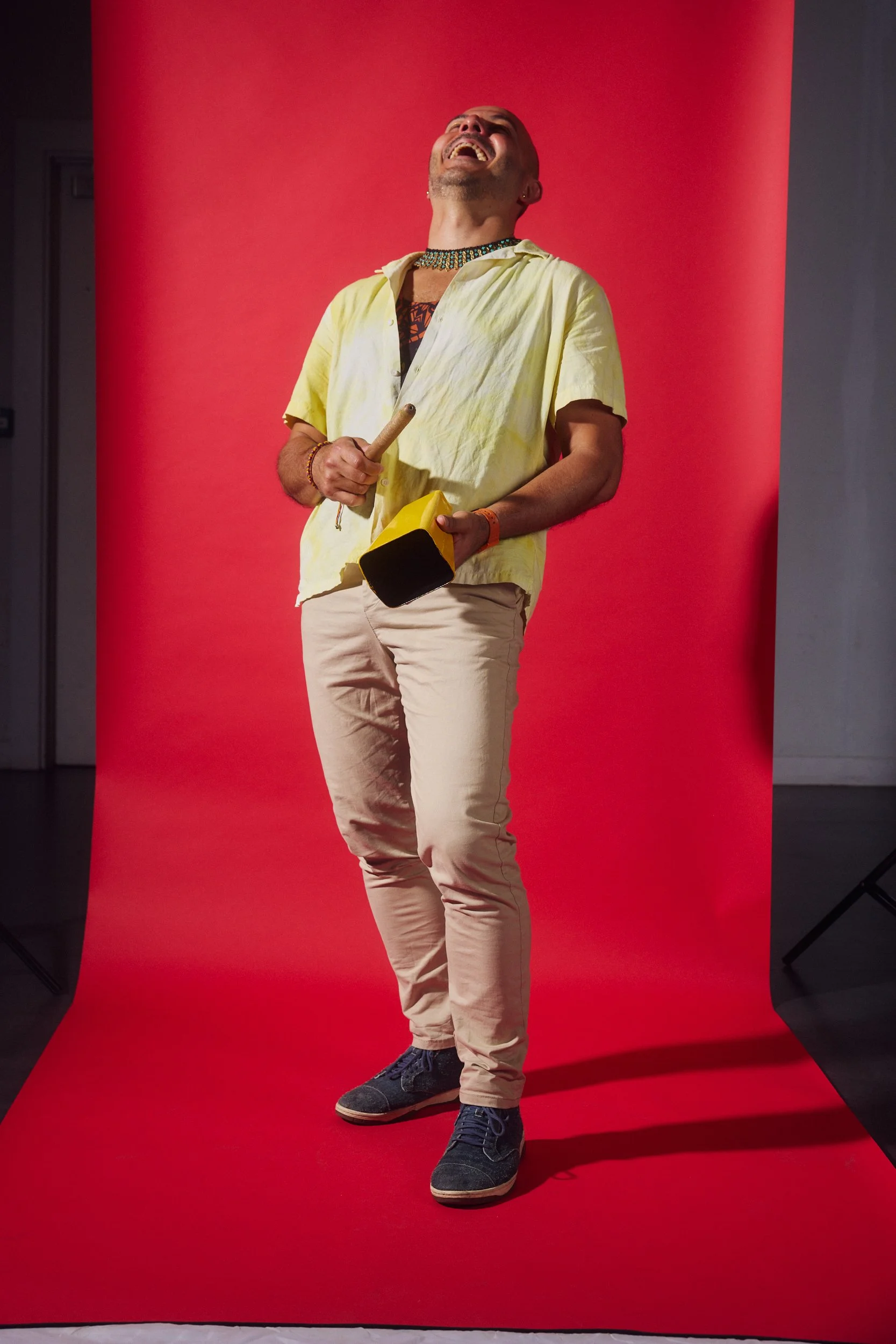
Music and movement will be at the heart of the day, with committee members Juan Loaiza and Yuvel Soria creating a live choir and dance performance that will lead audiences on a journey through the theatre. Drawing on Juan’s background in Latin American and Afro-diasporic music, and Yuvel’s practice in traditional Bolivian and contemporary dance, the performance will use voices, percussion and movement to explore remembrance, ritual and the idea of travelling between this world and the next.
The event planning all began with a question - where do you go when you want to feel a little closer to home?
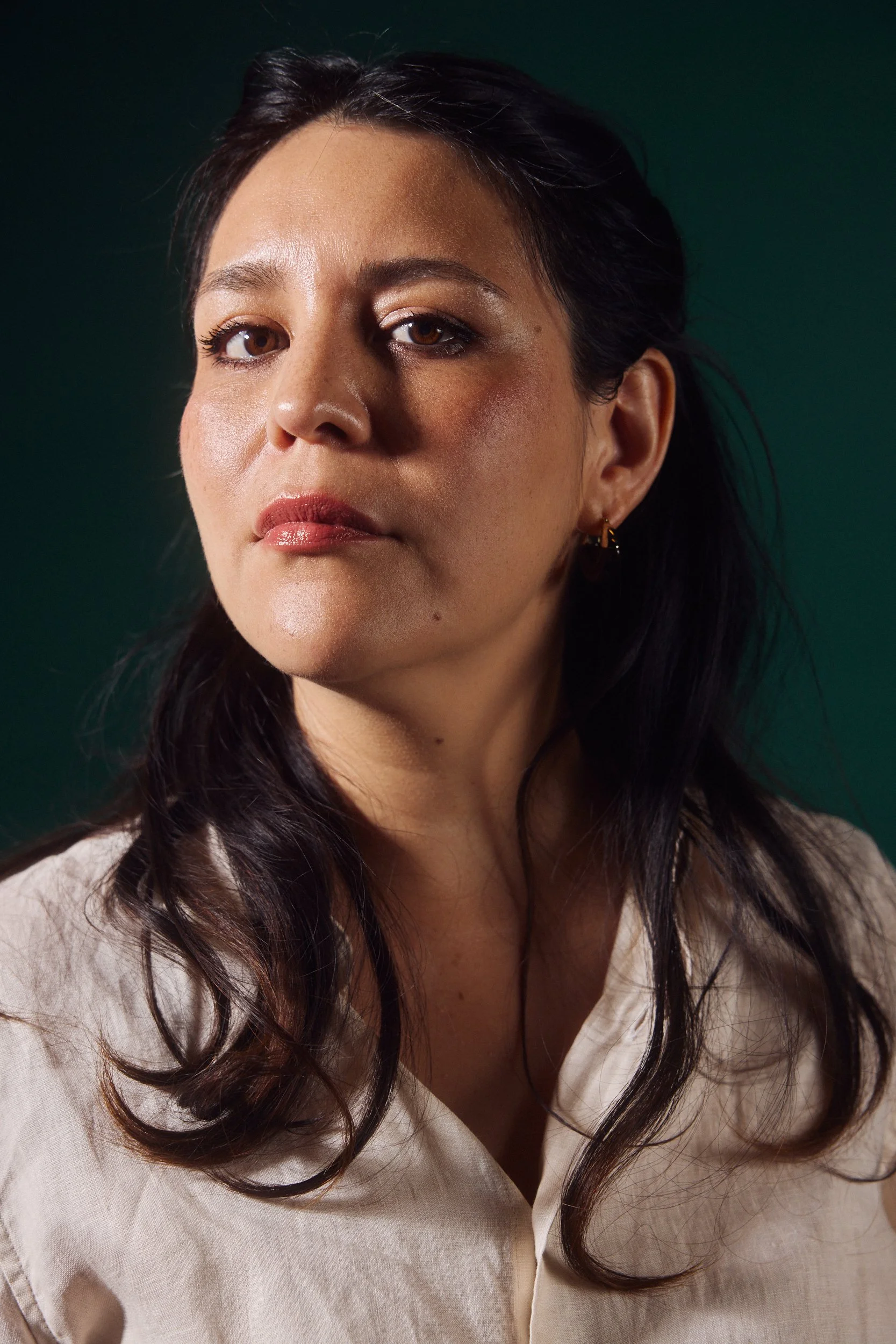
“My memories of Day of the Dead are actually very warm ones. I associate it with being surrounded by family and friends, remembering people we loved, eating together and feeling connected.”
Creating somewhere to gather
For Northern Stage communities manager Yunuen Perez, known as Yun, who is originally from Mexico, the project grew out of conversations with Latin American people living in the North East and a desire to create something deeper than a one-off cultural celebration.
“The idea comes from the intention to deeply connect with, listen and engage the Latin American community and to consider different lived experiences and cultures in the creation of a unique community and cultural offer at Northern Stage,” she explains.
Since 2024, Northern Stage has been developing its relationship with Latin American communities through cultural events, academic collaborations, student participation and work with creatives. In 2026 it took another step, appointing five community members and artists to help shape its programme.
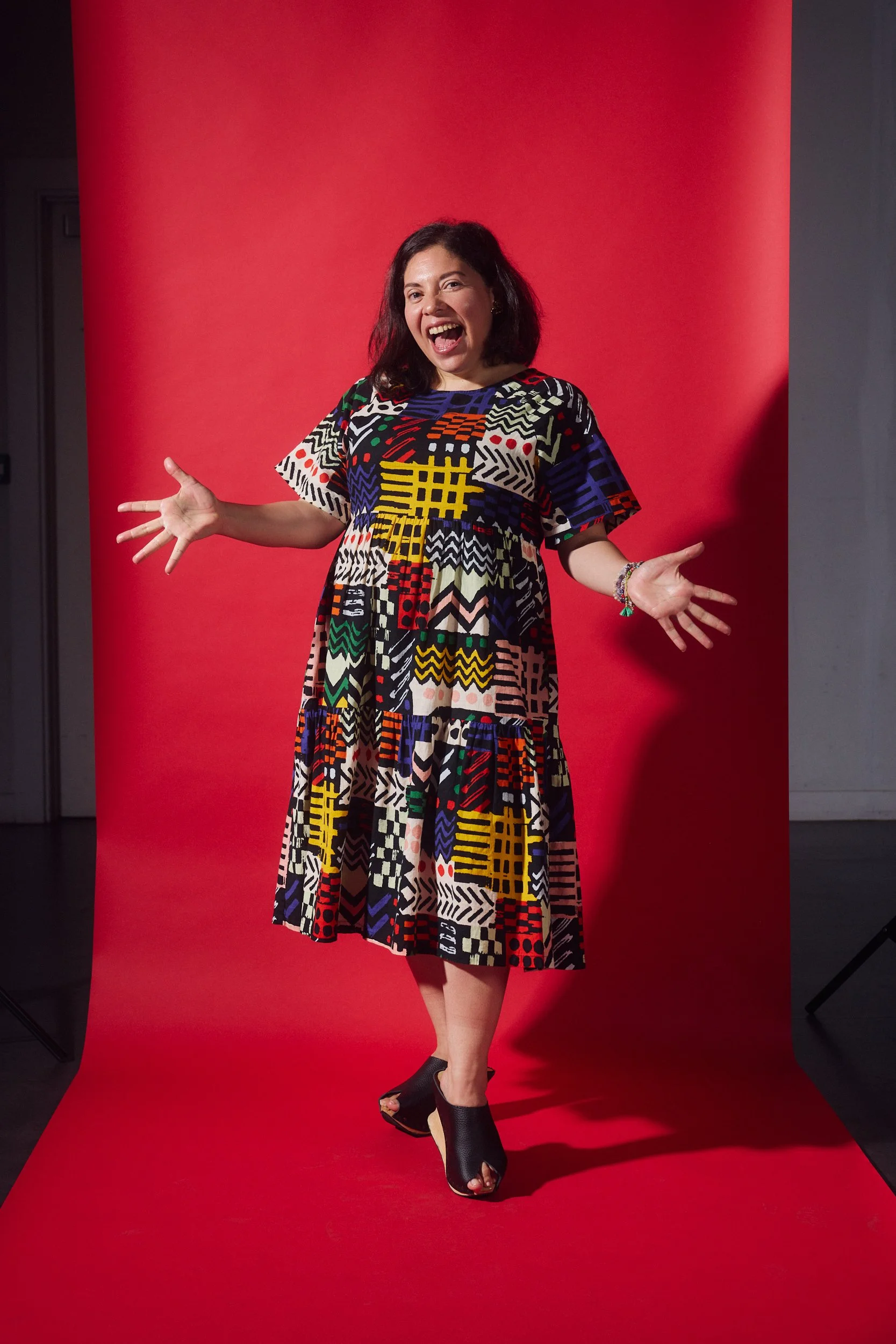
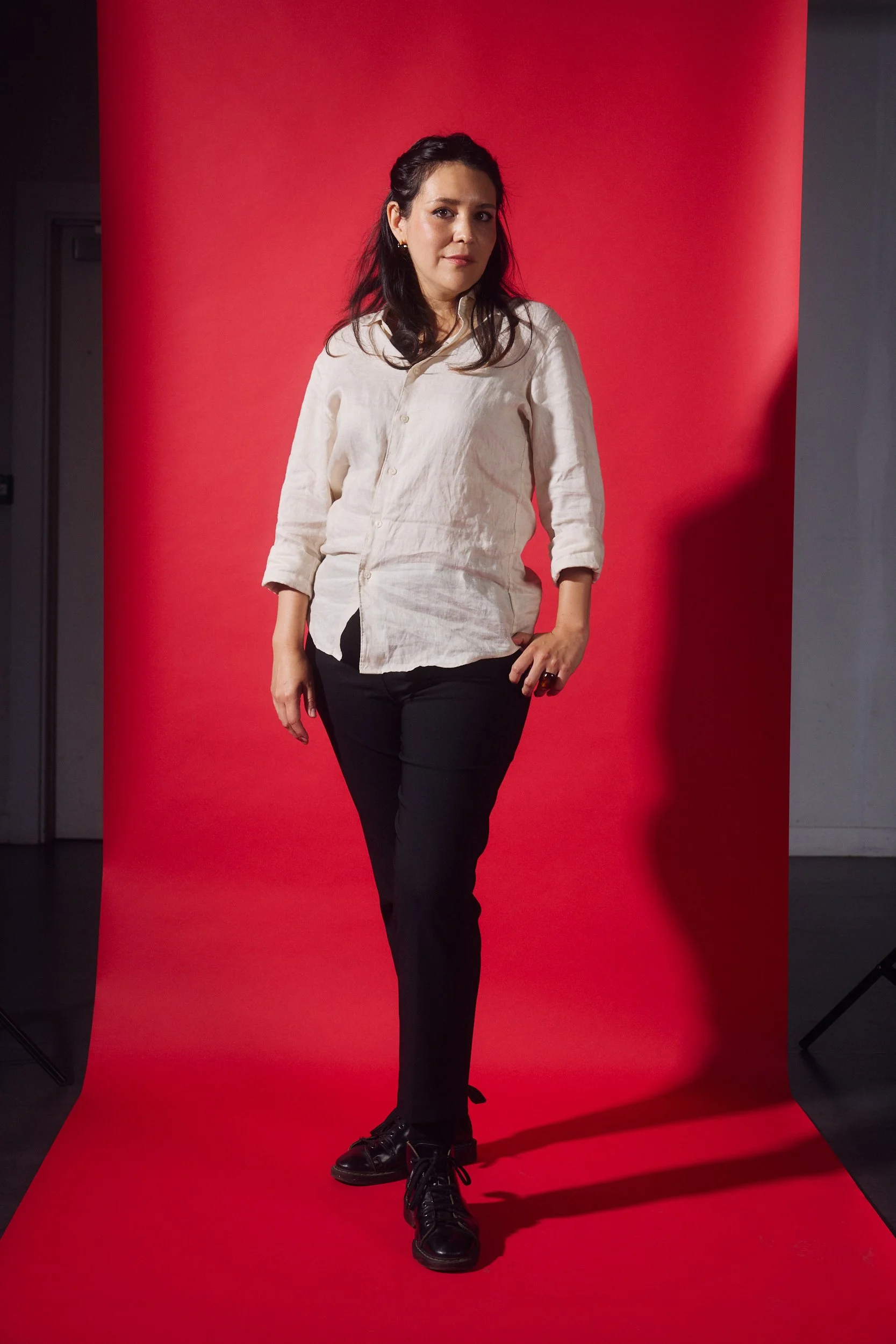
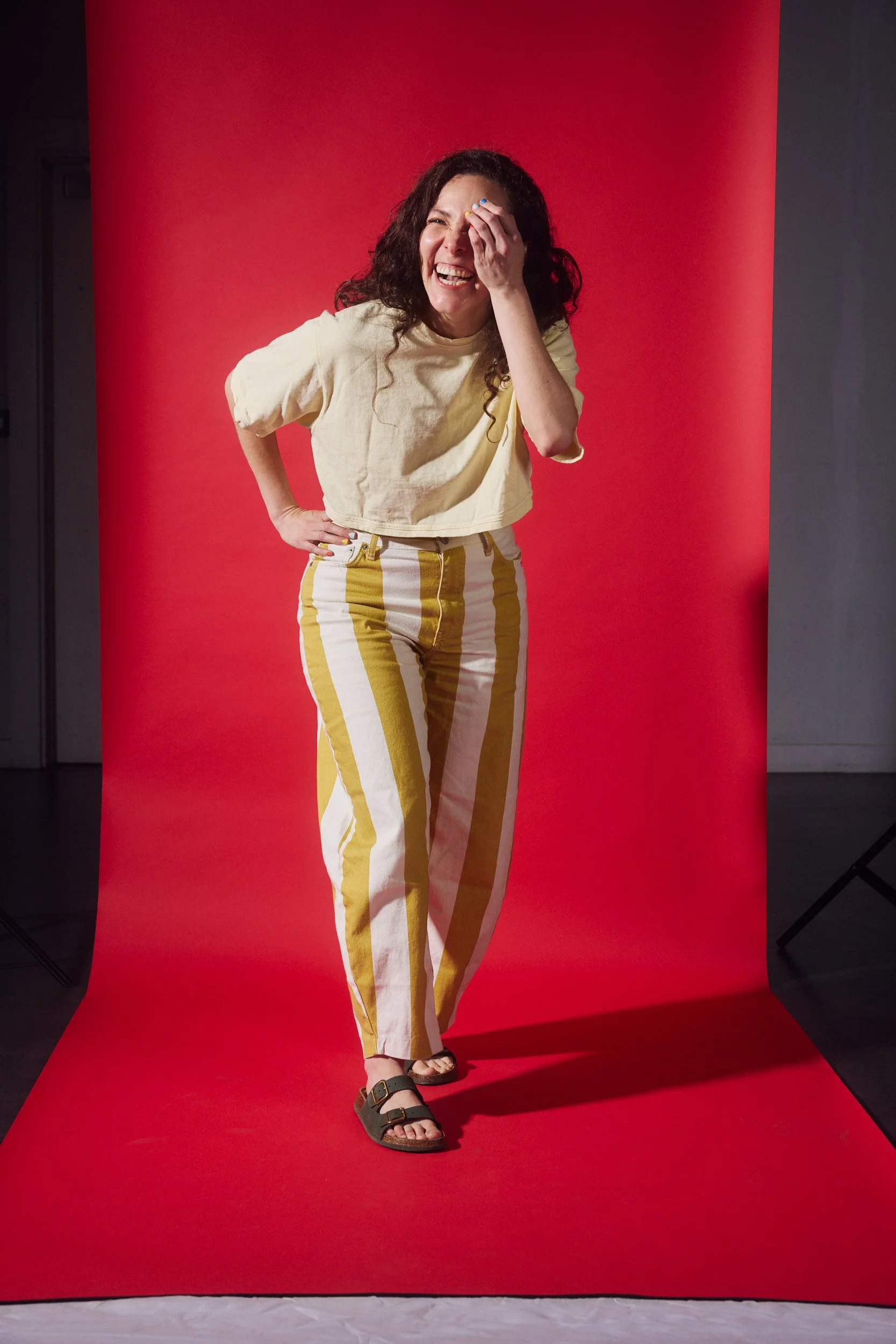
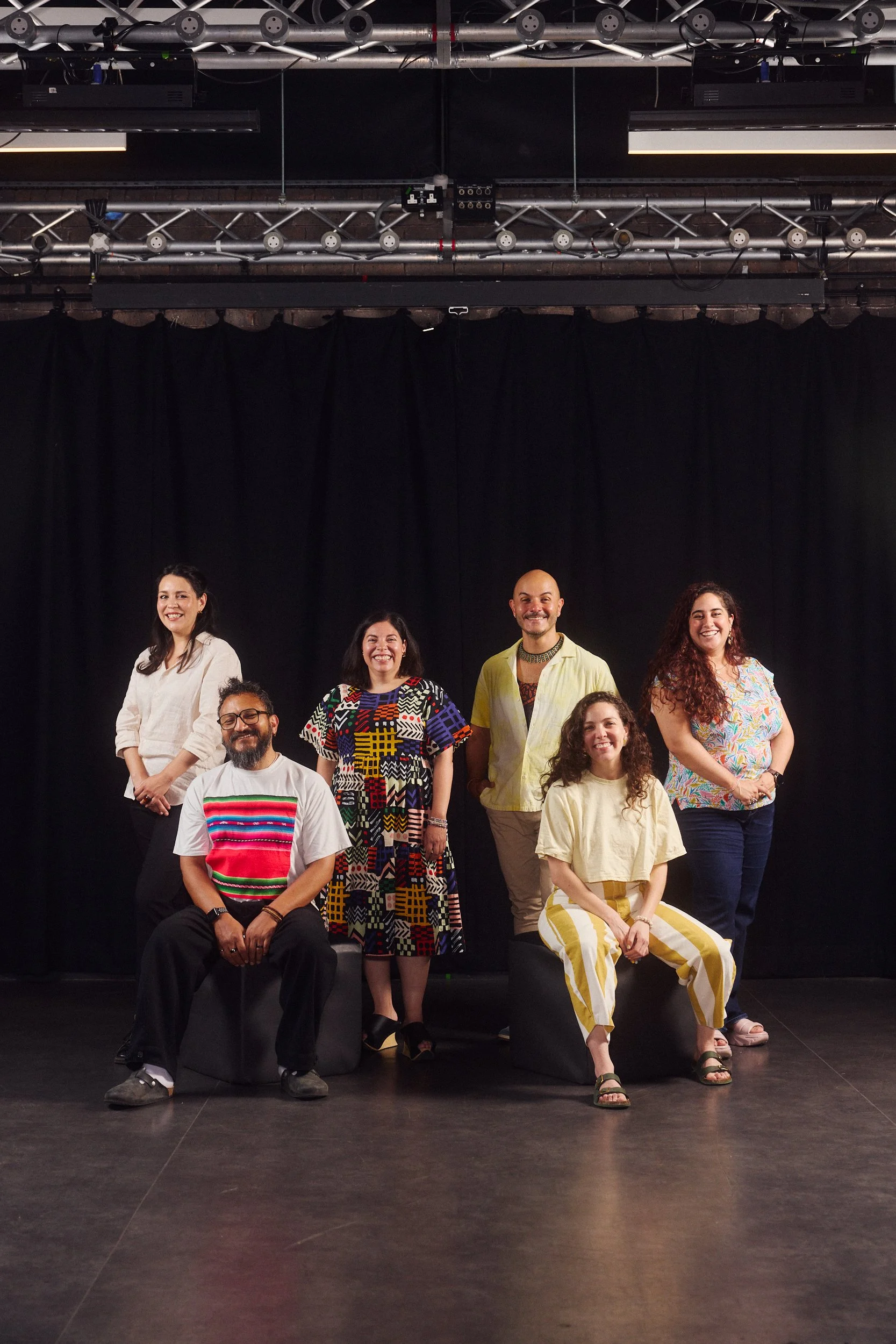
Joining Yun on the event committee are Mexican multidisciplinary artist and facilitator Itzel Toral; Colombian musician, composer and community music leader Juan Loaiza; Bolivian-born British dance artist Yuvel Soria; Mexican community organiser Gladys Castillo; and Mexican creative Mariana Ramírez, whose career has included creating cultural experiences across Latin America for global brands including Netflix and Amazon.
They didn't arrive as an established collective, and while some had crossed paths at parties or community celebrations, others barely knew one another and that was the point.
For Gladys, who has lived in Newcastle for four years and helped organise the city's Mexican Independence celebrations, the need for spaces like this becomes obvious when you remember what it feels like to arrive somewhere new.
“When we arrive as new in the city, we're always lost,” she says. “We don't know who to talk to or where we can get the tips on where we can get the good food or whatever - or even to learn what council tax is.”
What begins as practical support can quickly become something more important - finding people who understand the particular experience of building a life somewhere far from where you started.
Yuvel puts it this way - it’s about having somewhere to connect, somewhere to “make us feel more connected with what we are and also where we are.”
‘We’ve been here’
Latin American culture can easily become flattened into a handful of familiar images - Spanish-speaking, colourful, exuberant; a continent reduced to a single cultural shorthand, and the committee is deliberately pushing against that.
“Latin America is both heterogenic and homogenic,” says Yun. There are shared experiences and cultural similarities, she explains, but also countless nuances in histories, languages, traditions and identities.
Juan goes further, “Latin Americans have been in the region for a very long time,” he says, recalling migration to the North East stretching back decades, including refugees arriving from Argentina, Chile and Uruguay.
For him, there are two sides to the project - helping Latin American people find one another, and telling everybody else something equally important: “We've been here. We are here. And we've been here for a long time.”
It is why When They Come to Visit isn't interested in presenting a neat, definitive version of Latin American culture. Even Day of the Dead itself changes as you move across borders.
Itzel remembers discovering this in committee meetings when Yuvel showed the group Bolivian pan de muerto. “It's so different from the version I grew up with in Mexico and I found that fascinating,” she says.
“There might be differences in the food, imagery or particular traditions, but underneath them you often find very similar feelings: remembering people, family, community and keeping a connection with those who came before us.”
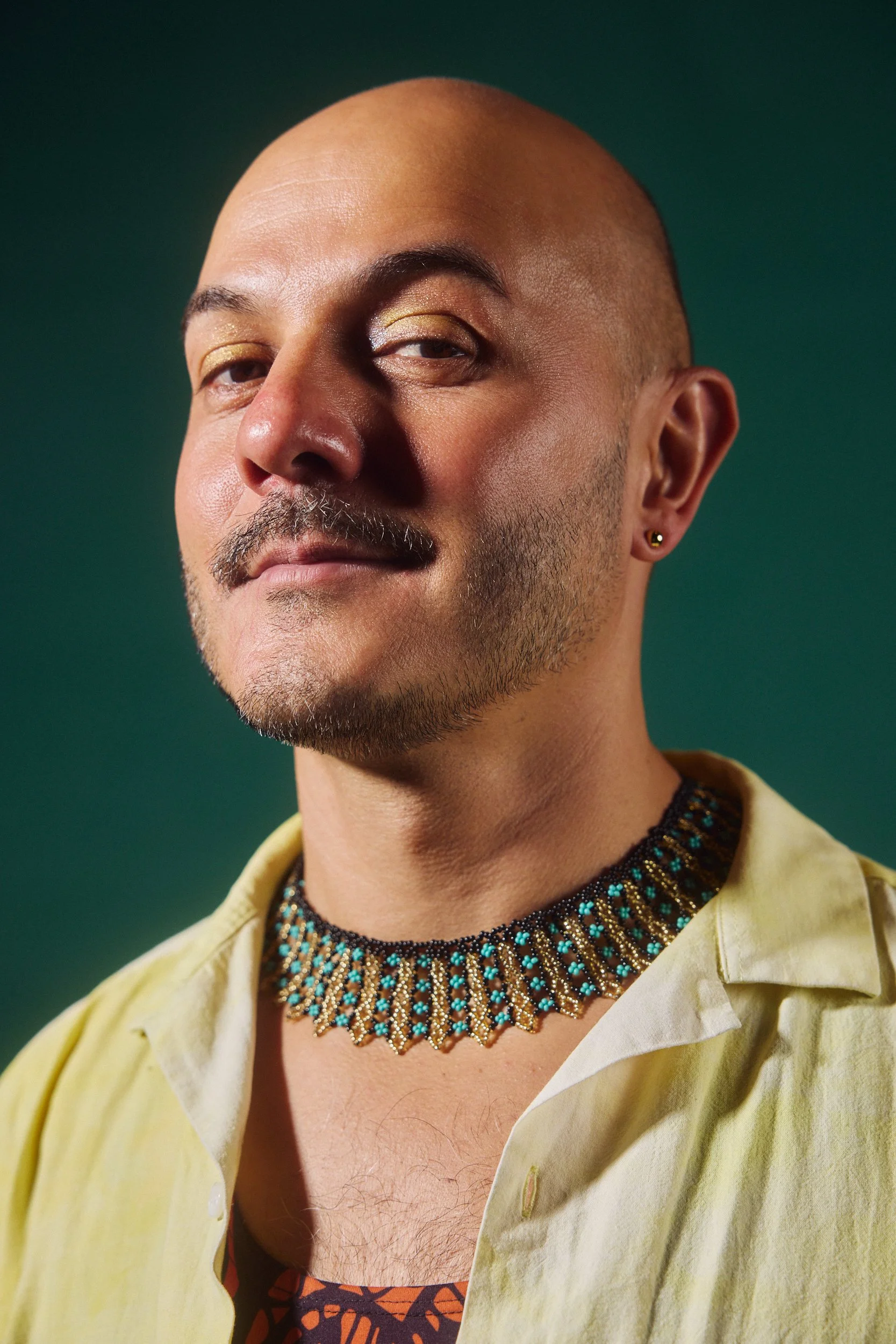
“We've been here. We are here. And we've been here for a long time.”
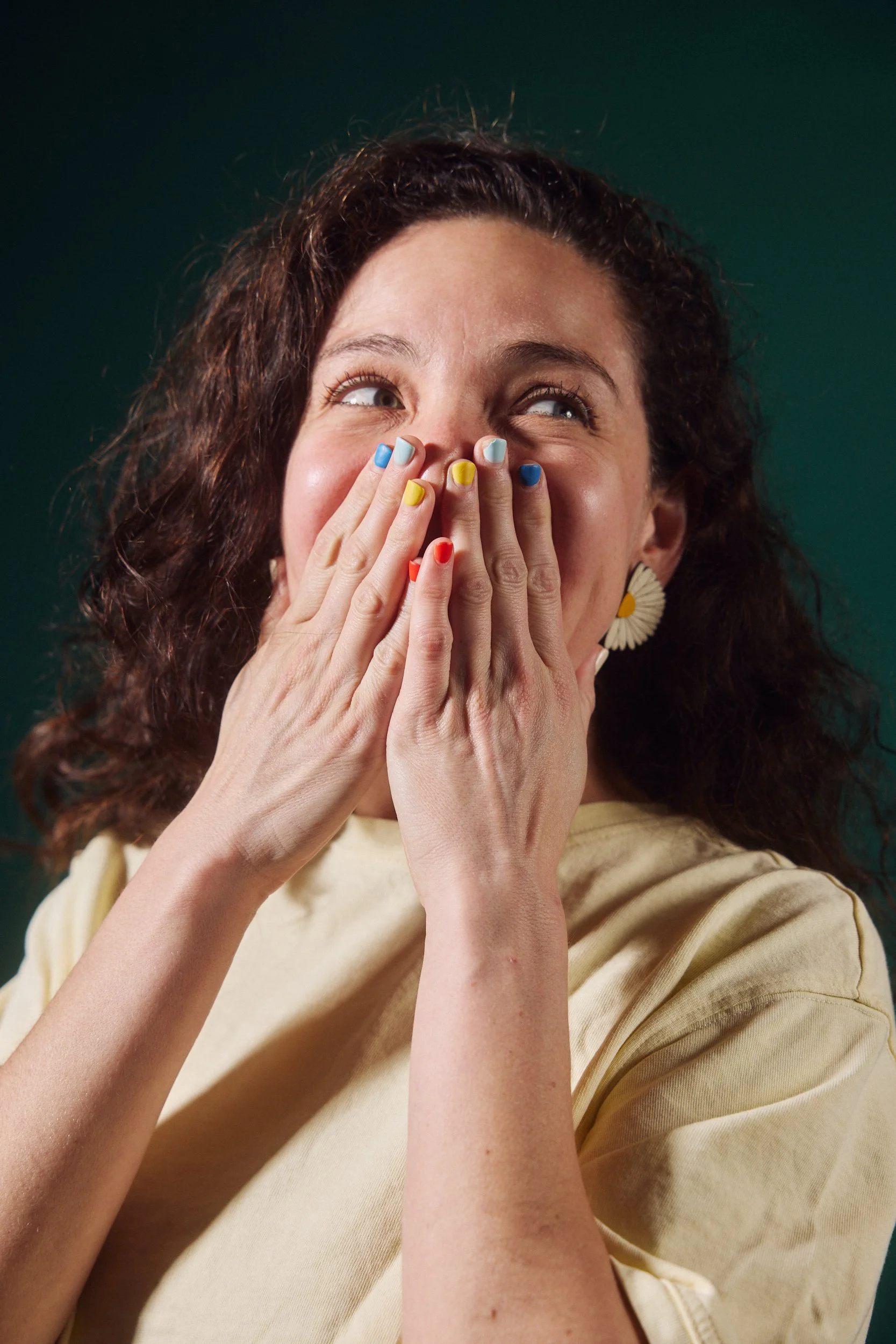
“For me, Day of the Dead is the beautiful illusion that the people we love who have left us can come back for a little while. It gives us permission to remember them, talk about them and bring them back into our lives with warmth and joy.”
More than skulls and flowers
Thanks partly to popular culture, sugar skulls, skeletons, marigolds and elaborate face paint are now recognisable around the world. But ask the committee what they want people to understand and they repeatedly return to something more subtle.
Love.
“It is a time when we welcome and remember our loved ones who have passed away,” says Itzel.
“It's not a carnival, and despite all the skulls and skeletons people might associate with it, it's not really something dark or frightening either.”
“There can be sadness because we're remembering someone who is no longer with us, but there is also a lot of joy and affection. Instead of only focusing on the fact that someone died, we celebrate the fact that they lived and that we still carry their stories with us.”
Gladys describes something similar. Day of the Dead wasn't necessarily formally celebrated in her childhood home, but the philosophy surrounding it was everywhere.
The people you lose, she says, remain in the little things, in food they once cooked, music they loved and the memories that unexpectedly bring them back into a room.
Thinking about what the event means to her, Mariana said “For me, Day of the Dead is the beautiful illusion that the people we love who have left us can come back for a little while. It gives us permission to remember them, talk about them and bring them back into our lives with warmth and joy. I love baking Day of the Dead bread, putting up the altar and photographs, and sharing stories about the people we’re remembering.
“Since moving to the North East, those traditions have also become a way of bringing people together and last year, we invited friends from different backgrounds to make the bread with us and learn about what the celebration means. It was lovely to see people connect with something that is so important to us. That’s what I hope people experience at Northern Stage too - some of the warmth, magic and mysticism of Day of the Dead, but also the chance to take part, leave something of themselves behind and perhaps take a little piece of the tradition away with them.”
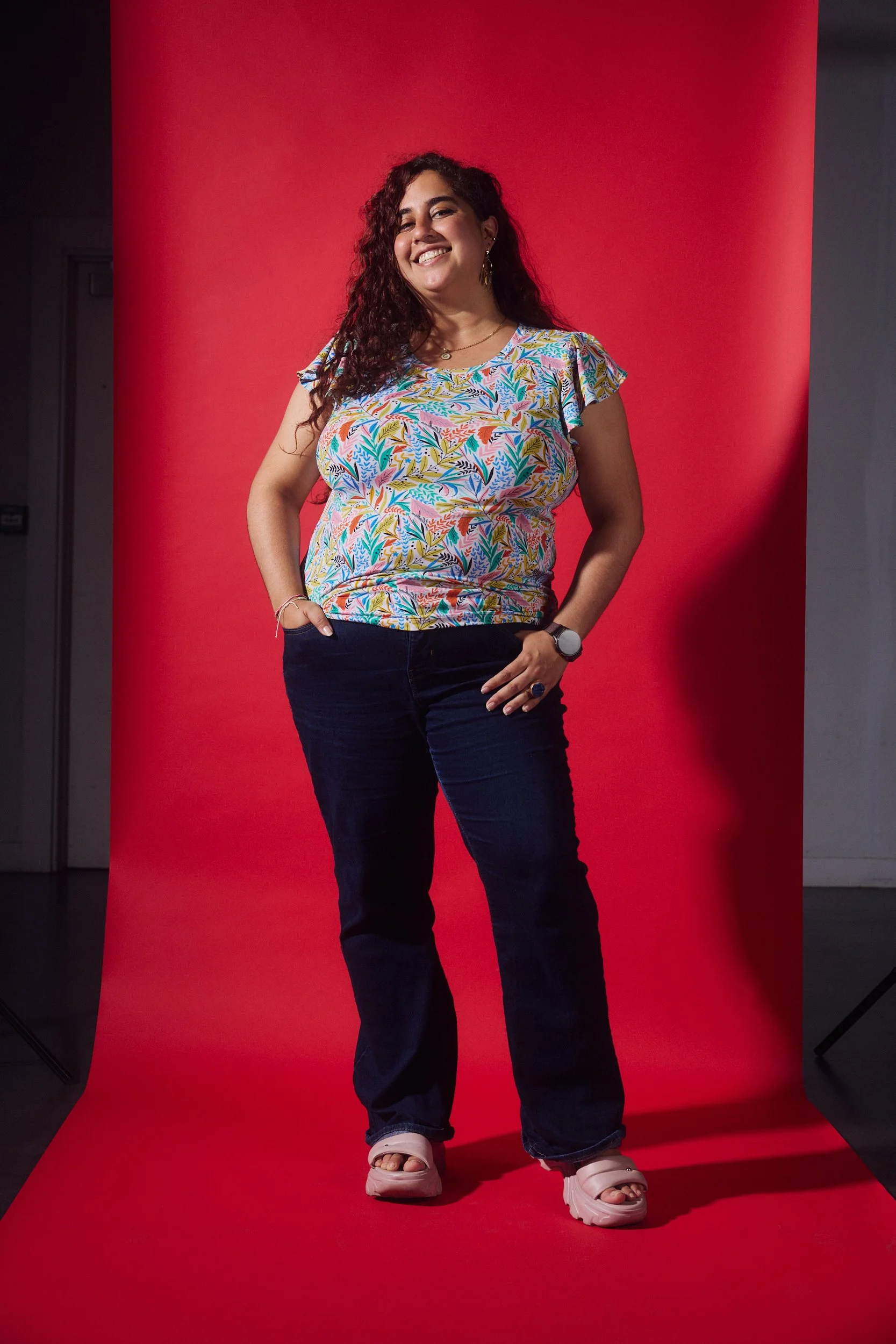
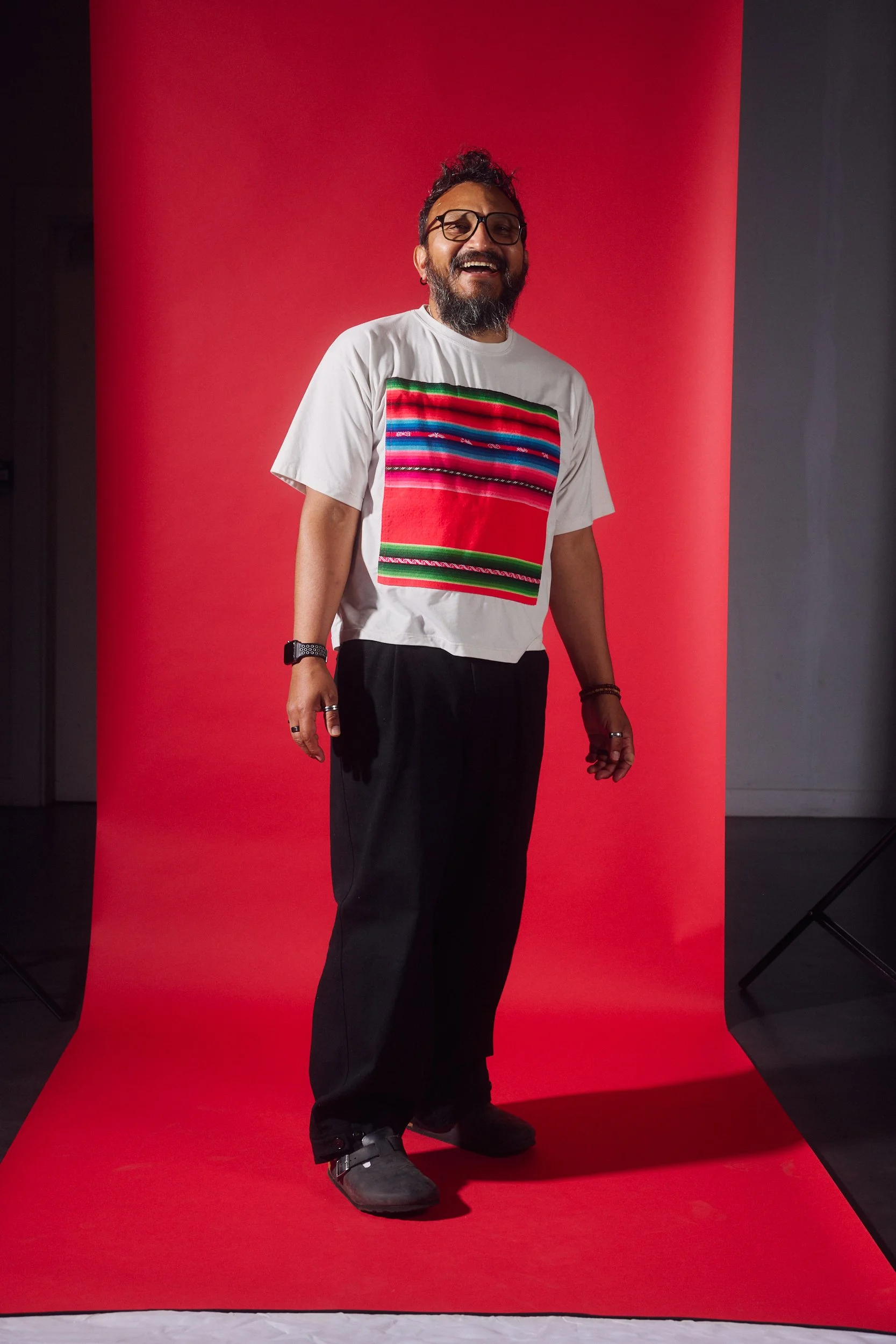
Tradition is not a museum piece
For Yuvel and Juan, another important thread has emerged while developing the project - that tradition isn't something preserved behind glass.
“Culture is not a static thing,” Yuvel says, “It’s a live entity.”
What the committee creates in Newcastle will inevitably be influenced by who they are now, where they live and the people who enter the room with them.
Juan describes tradition as a tool people use “to continue in the present and move towards the future. We want to carry on these traditions because they make us alive.”
That thinking has shaped the experience itself.
Visitors will encounter an altar drawing inspiration from traditions in Mexico and elsewhere in Latin America, including Bolivia and Peru. They can make origami hummingbirds - symbols of communication between worlds - write, browse books and take part in printmaking. Music will lead audiences down through the theatre into Stage 3, where a live performance becomes a symbolic journey into the afterlife.
For Itzel, including making and craft was essential.
“There is something very human about making these things for somebody or creating them together,” she says.
Her linocut workshop also contains a subtle historical connection. La Catrina, the elegantly dressed skeleton now synonymous with Day of the Dead imagery, evolved from José Guadalupe Posada's famous print La Calavera Garbancera.
“I loved the idea of bringing printmaking into the event,” she says. “We're using a contemporary and accessible technique with lino, but at the same time there is this lovely connection back to the history of Mexican printmaking.”
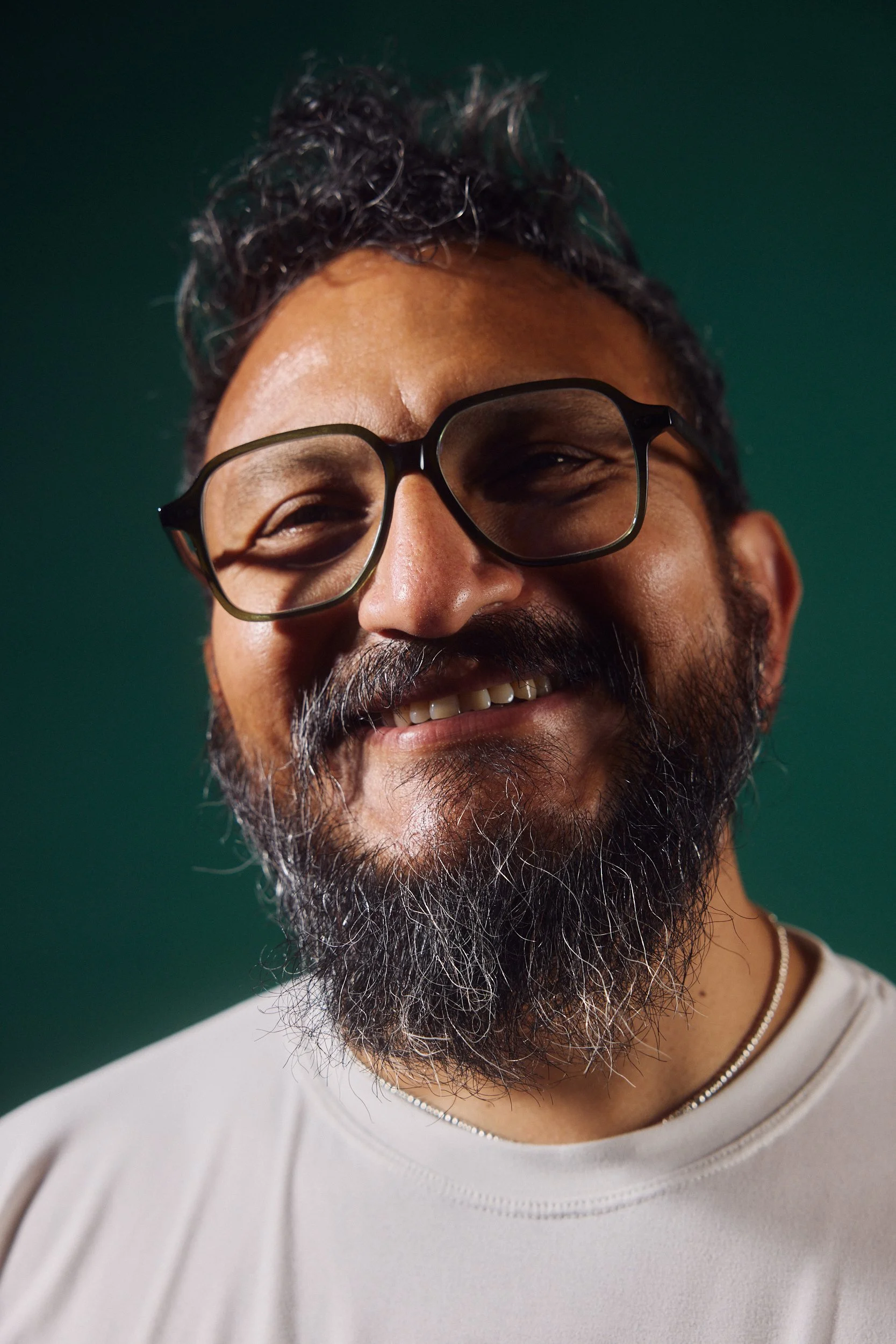
“Culture is not a static thing.
It’s a live entity.”
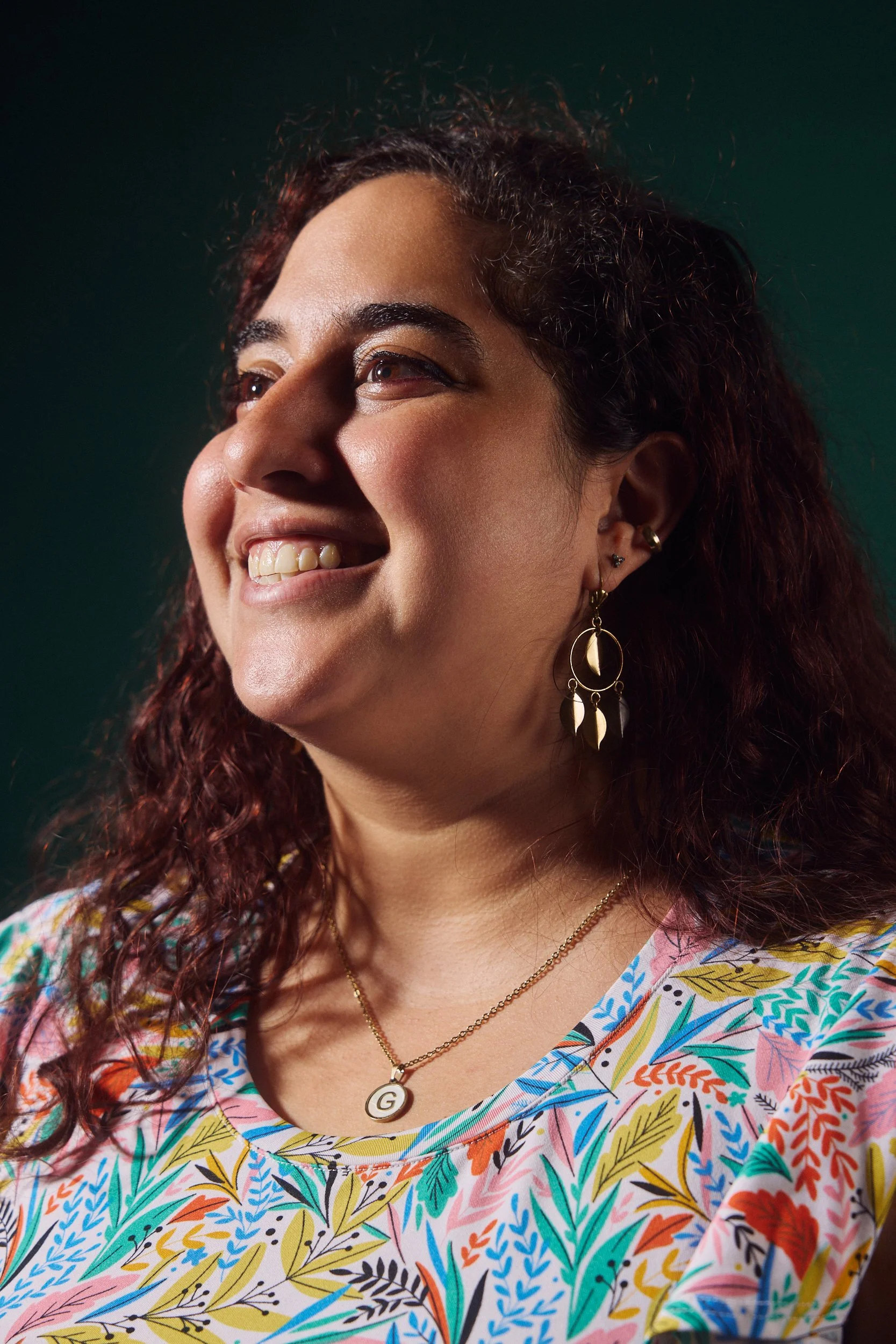
“We have all lived here, and we have learned the culture here, and we have made it part of our own. So us sharing this is just like in a potluck that we're bringing a piece of ours to share with others.”
An open door
There is a temptation, when encountering a tradition that isn't yours, to worry about getting it wrong and the committee understands that too.
The committee has met lots of people in the region who are truly interested in Latin American culture but hesitate because they are afraid of saying or doing the wrong thing.
Their response is reassuringly uncomplicated: come curious.
“You don't have to already know everything about Day of the Dead to participate. You can come with curiosity, ask questions, make something, eat something, have a conversation.” says Gladys, who describes the event as a potluck.
“We have all lived here, and we have learned the culture here, and we have made it part of our own. So us sharing this is just like in a potluck that we're bringing a piece of ours to share with others.”
Yunuen hopes the committee will become a way to connect with more artists, community leaders, academics, makers and families, and to establish Northern Stage as a genuine social and cultural home for Newcastle's linguistically and culturally diverse communities.
“Northern Stage gave us this space and everybody has been really welcoming and trying to help us build up all of these ideas. Hopefully we're creating a space for more people to gather for more events like this in the future.”
Yun, Gladys, Juan, Itzel, Yuvel and Mariana hope this is only the beginning saying,
“Northern Stage gave us this space and everybody has been really welcoming and trying to help us build up all of these ideas. Hopefully we're creating a space for more people to gather for more events like this in the future.”
For one evening in October, surrounded by music, food, flowers, photographs and stories, the distance between here and home might just feel a little smaller.
The committee is already looking ahead to its next celebration, with a Latin American Christmas gathering returning to Northern Stage this winter for a third time. The aim is to build something lasting, a regular space where Latin American communities can come together, share their cultures and traditions, and invite people from across Newcastle to be part of them too.
When They Come to Visit will take place at Northern Stage on Friday 23rd October.
Tickets will be available first to members of the Latin American community from 10 September, with general booking opening on 21 September via the Northern Stage website.