
Newcastle's Grainger Market has just undergone a major transformation led by Newcastle City Council, with funding from the UK Government.
We spoke to two of the project partners.
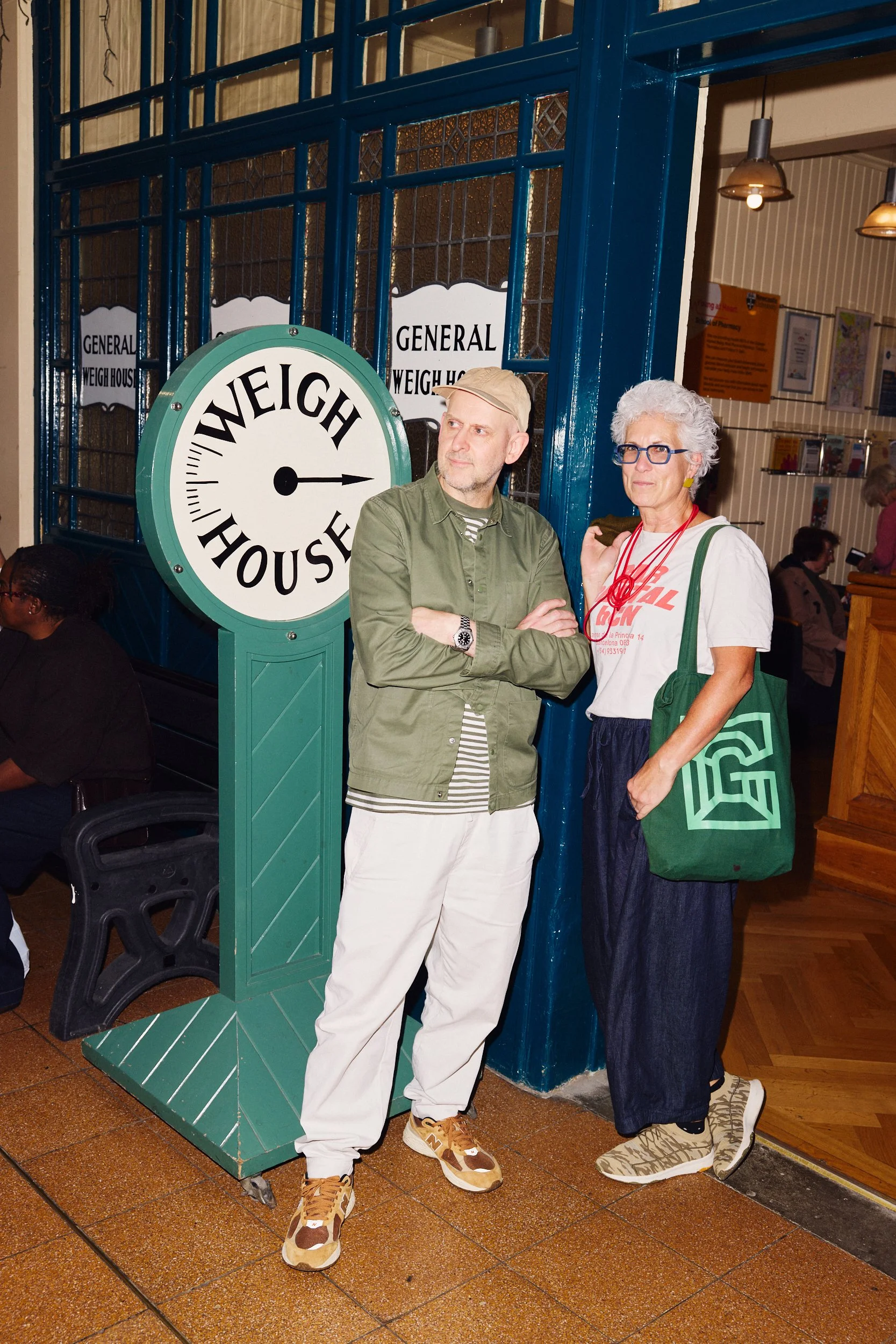
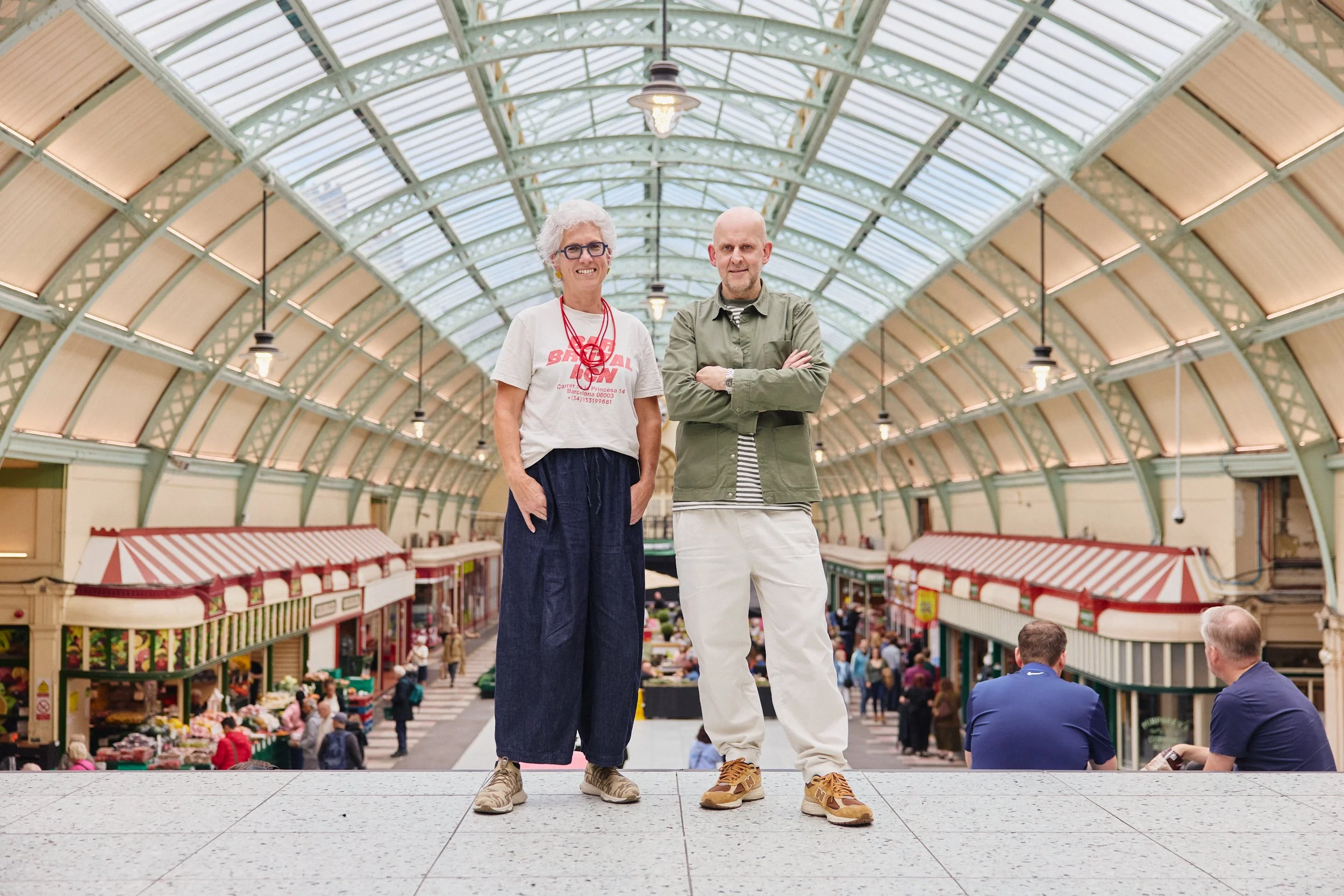
Darren Richardson, creative director at Gardiner Richardson, shaped the market's new identity. Tania Love, associate partner at FaulknerBrowns, led its physical rebirth. It's a story about wandering, wondering, and what it takes to breathe new life into a market that’s approaching its 200th birthday.
Photography and Interview by Christopher Owens
When I think of the Grainger Market, I'm taken back to when my grandma first brought me here. She worked in the tab shop when she was 16. What are your first memories of the place, before you were professionally involved?
Darren: For me, it was as a student. I studied at Newcastle Poly in '84 and even though I'd grown up just down the road in Teesside, I remember being blown away by the city. I stumbled into the Grainger Market and thought it was amazing. I was used to the market on Stockton High Street, the Shambles, which is tiny. In comparison, the Grainger Market was absolutely vast, and cheap too, so I ended up shopping there as a student and loved it. It felt like I'd arrived in a huge city.
Tania: A similar experience for me. I arrived in Newcastle as a student in 1985 and lived on Leazes Terrace, right in the shadow of St James’ Park. My room actually looked into the ground before the stand was extended. I discovered the Grainger Market in my first term and it quickly became where I did all my food shopping. I've never really stopped coming. Even now, a trip into town usually includes a visit to the market. I just love it!
How did you both first get involved in the project?
Tania: We were already working with Newcastle City Council on a wider masterplan for the city. The Grainger Market needed to be part of that story given declining footfall, so in 2020 we prepared a vision study. We looked at what had made the market so successful in its heyday, what traders needed today, and how carefully considered investment could help secure its future. It wasn't just about the building; we looked at branding, events, governance and trader engagement as well. The study ultimately helped support a successful government funding bid, and we then went on to win the commission to deliver the vision.
Darren: It was probably back in '21 or '22 when we tendered for the work. I'd heard about the opportunity through Gavin Downey in our team, who'd worked with Tania before. The project took me right back to my own memories of the market, thinking it just needed some love and TLC, so that people could fall back in love with what used to be a pretty magical place. So we jumped at the chance to throw our hat in the ring.
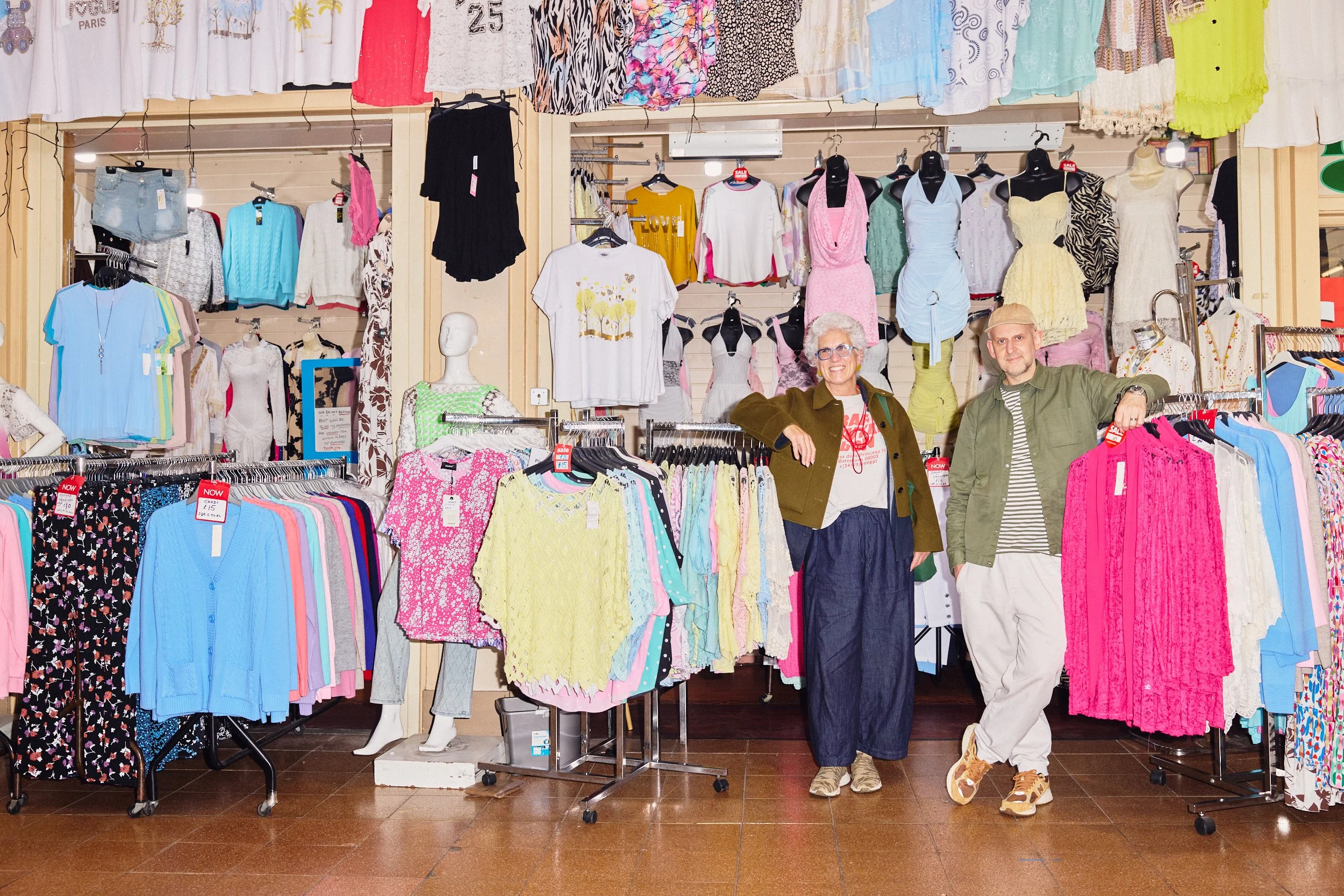
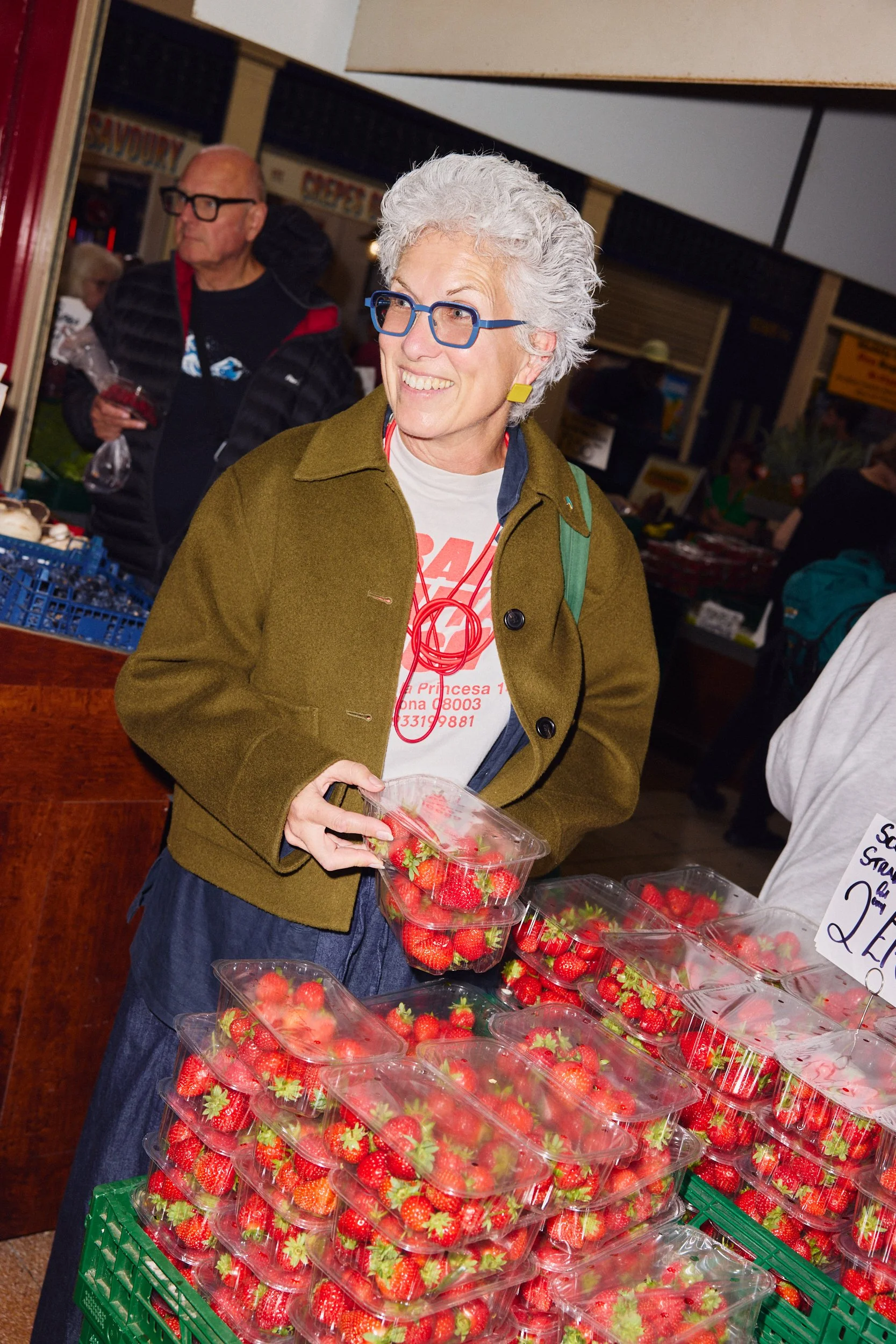
“There are still new shops, planting, seating and public spaces to come. That's the exciting thing about markets, they're never really finished.”
Had the two of you worked together before?
Tania: We knew of each other, as most people working in Newcastle's creative and built environment sectors do, but this was the first time we'd collaborated on a project. What made it so rewarding was the wider team we brought together. Local artists, sculptors, metalworkers and furniture makers all contributed. Everyone built on the market's existing identity rather than trying to impose something new, which helped keep the market firmly rooted in Newcastle.
Darren: It's always nice when you work with people where there's a genuine, shared belief in why you're doing it. It wasn't superficial, it became a properly heartfelt project we fell in love with as an agency. Neither of us are about ego. It's not about us, it's about the market. Before we did anything visual, we wanted everyone aligned around a narrative. We landed on what we called our guiding idea, ‘wander and wonder’. That became our shorthand for the essence of the place: somewhere to wander, to wonder why that shop's next to that shop, and lose yourself in it.
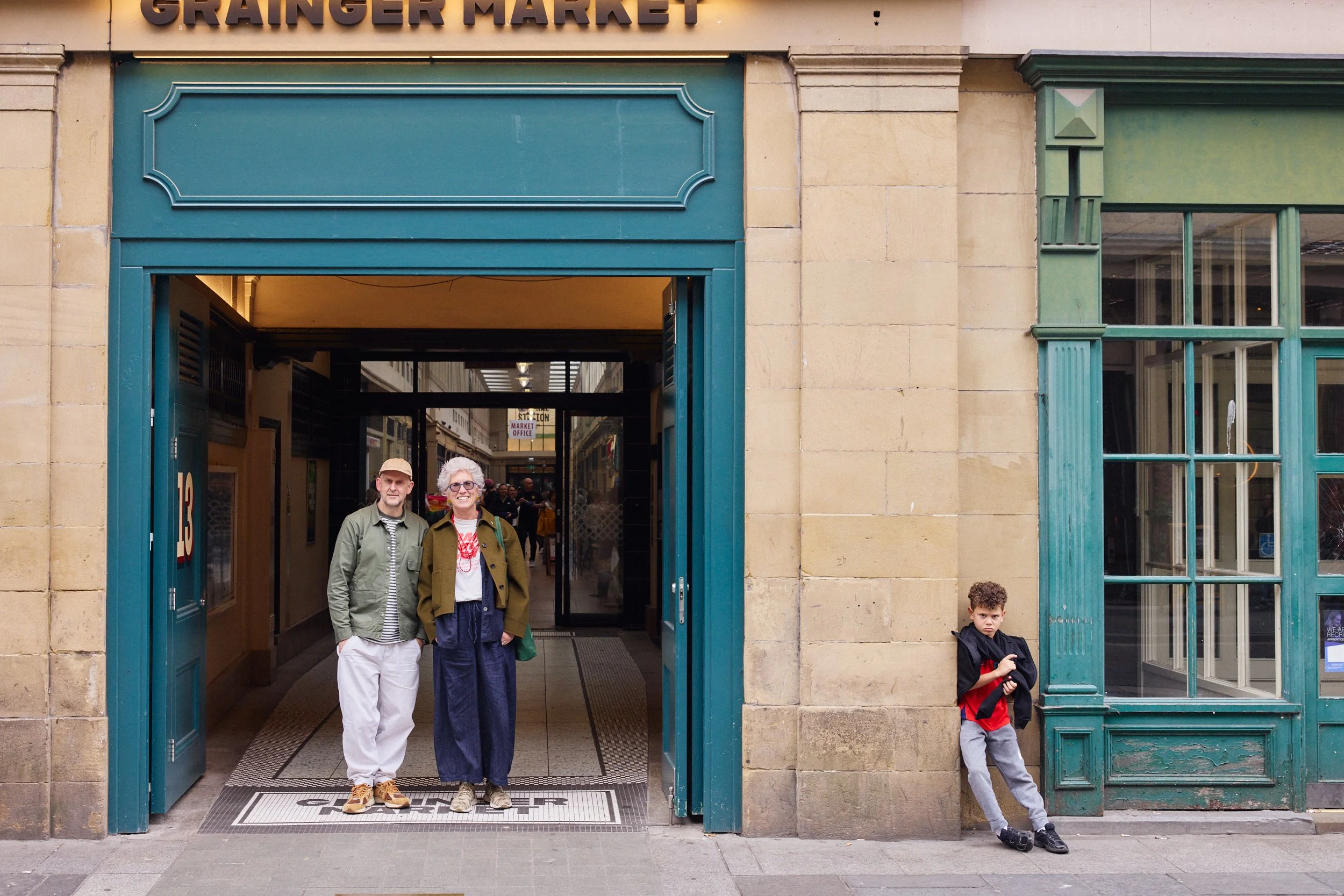
“No one should be trying to compete with John Dobson! It's a masterpiece and one of Newcastle's most important buildings.The challenge was finding ways to help the market evolve without losing what makes it special, or polishing it so much that it lost its character.”
Where did that phrase ‘wander and wonder’ come from, was it something a trader said?
Darren: It came out of what the traders told us, really. Matt, who leads our positioning work, gathers all the insight before we design anything. What's unique about the Grainger Market is the diversity. When we asked traders to describe the market, a theme emerged – about discovering something, delight, surprise and “a rich mix of things”.
Wander and wonder was just a lovely alliteration of that. It became our mantra, a nice line people could hang the place on.
We also wrote a little character piece, almost the voice of the market talking to you, and when we read it back to the traders, they said, "that's us". It started winning them over before we'd even shown them anything visual.
As a Grade I listed building, were there things you had to be really sensitive about?
Tania: Absolutely. No one should be trying to compete with John Dobson! It's a masterpiece and one of Newcastle's most important buildings.The challenge was finding ways to help the market evolve without losing what makes it special, or polishing it so much that it lost its character. Every intervention had to feel as though it belonged. The pavilions are probably the boldest additions, but even they were designed to sit comfortably within the historic architecture rather than dominate it.
Now you're seeing it all in use, does it match what you'd pictured?
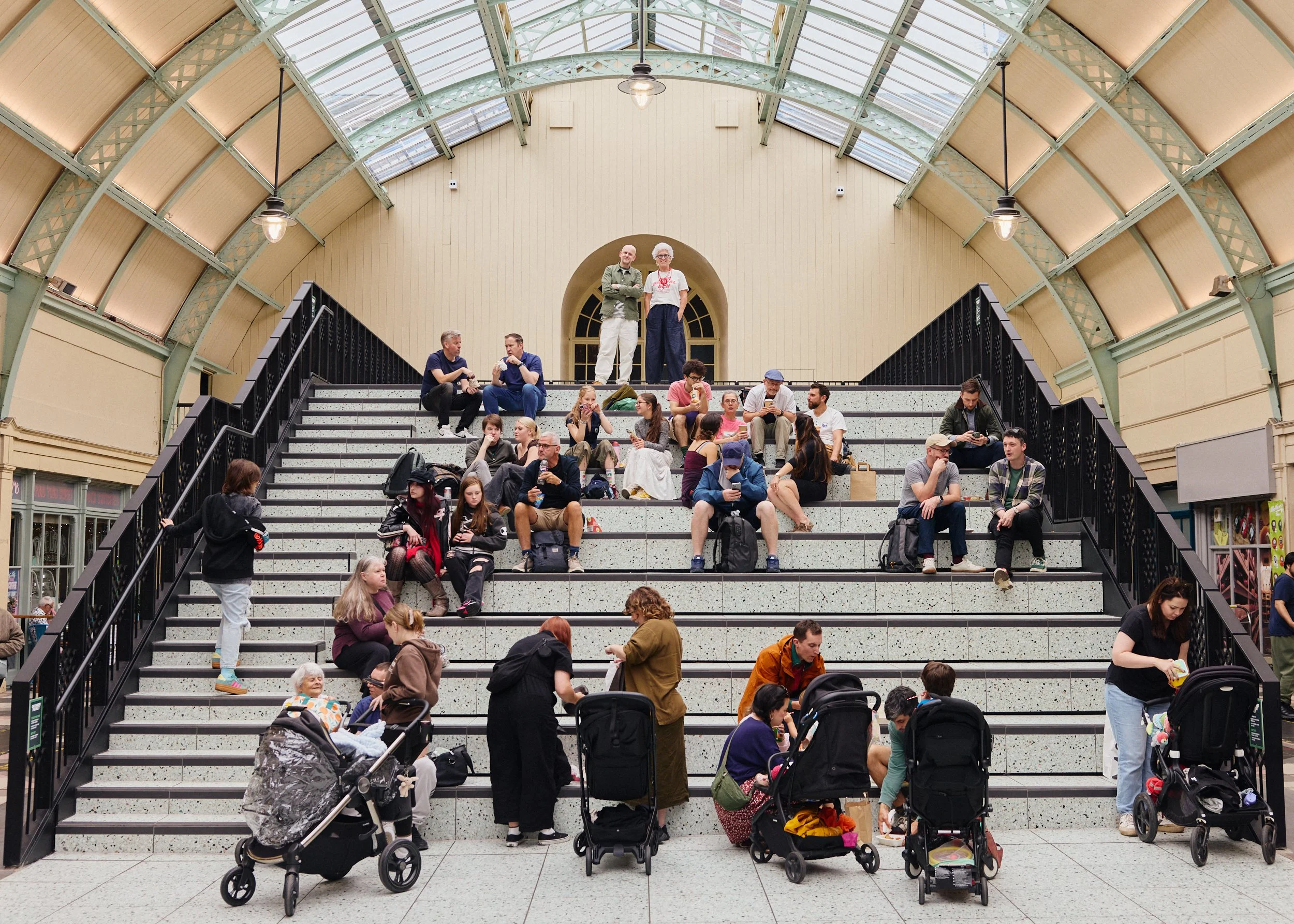
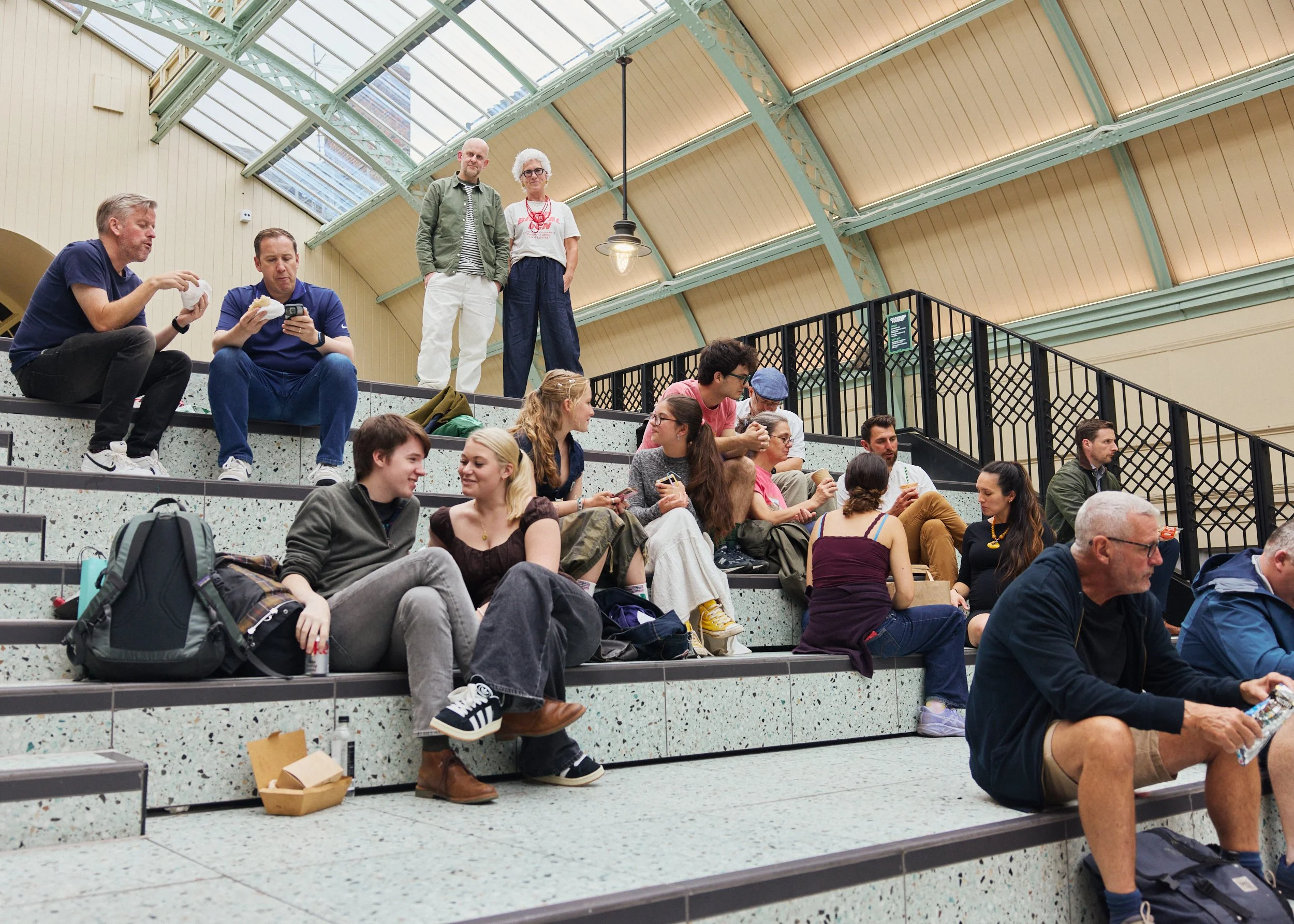
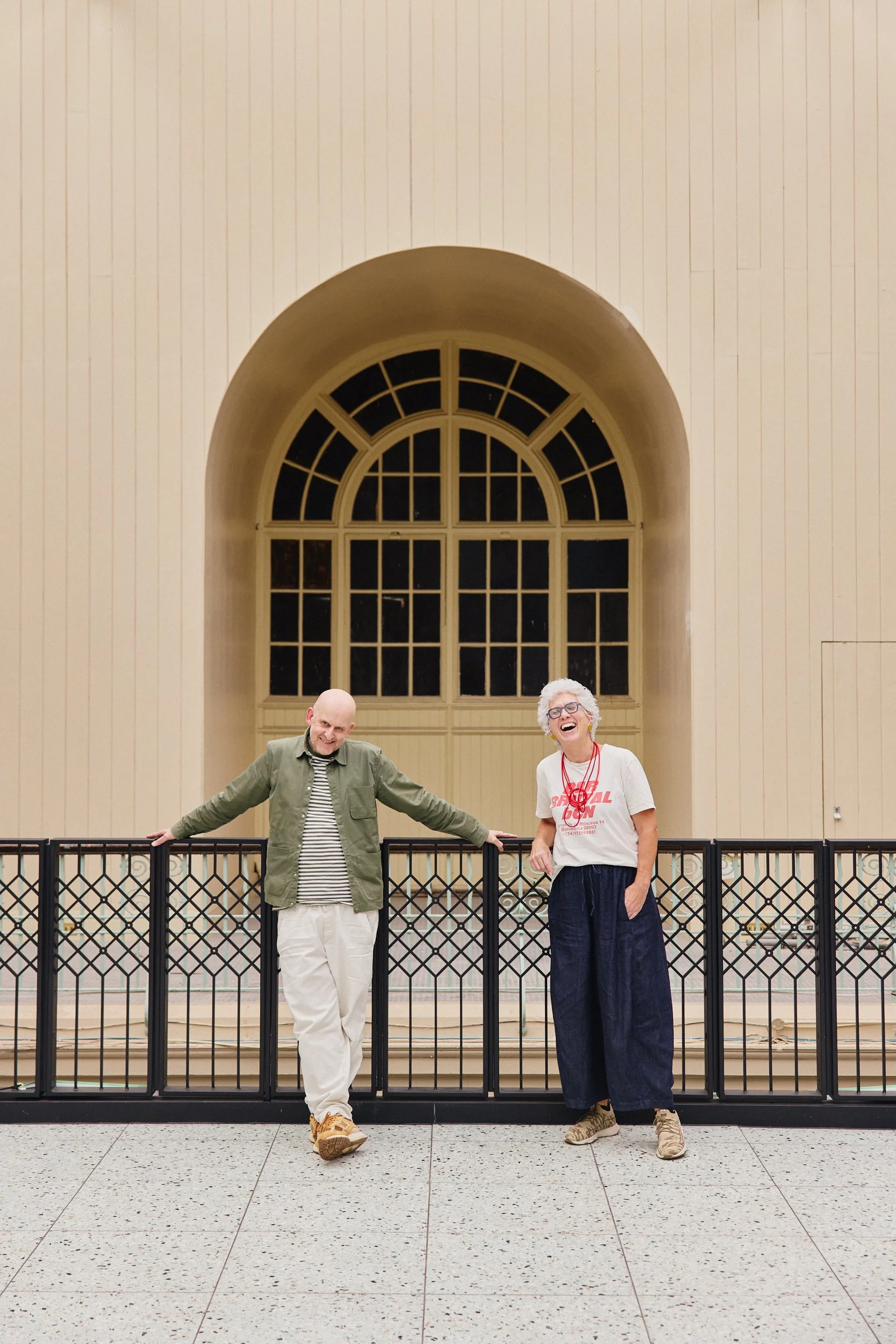
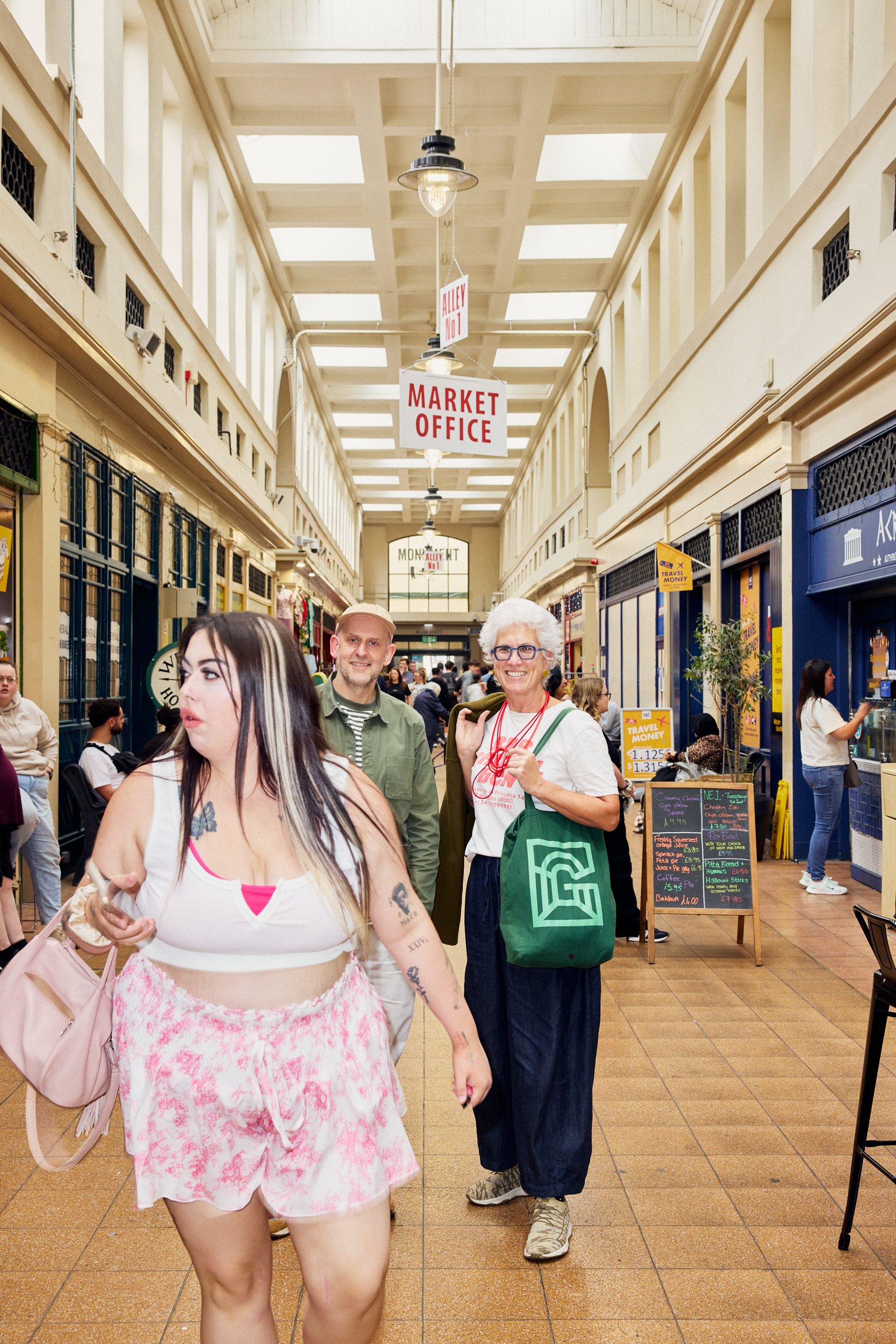
Tania: More than I imagined. Seeing people using the arcade in ways that simply weren't possible before is incredibly rewarding. Every time I see someone sitting on what has affectionately become known as the "big stair that goes nowhere" having lunch, meeting friends, working over a coffee - I smile! There's no ambition from us nor the council to turn this into a food-hall; Grainger will first and foremost be “the North-East’s Shopping Centre for Everything”. Our role has been to reinforce what's already authentic, introducing infrastructure and flexibility that helps traders thrive and brings more people into the market.
Darren: The whole starting point was a consultation project with the traders, so step one was building a relationship with them, spending a couple of sessions with them, just listening. My big ambition at the start of the project was to get buy-in from the traders. Brand building doesn’t happen overnight. It takes time, consistency and lots of people pulling in the same direction, and I think we have achieved that.
There's also the practical side, the toilets. Less glamorous, but it matters.
Tania: The toilets might not be the glamorous part of the story, but they make a huge difference. We've increased capacity and improved accessibility, and added new lighting and power so the market can host a wider range of activities into the evening.
Underneath where we're sitting now is seating for around 300 people, which will soon be spread throughout the arcade. It's wonderful seeing the market become more connected to city life while remaining true to its original purpose. You see that connection between the market and the city.
Darren, how much did that dual use shape your thinking on the brand?
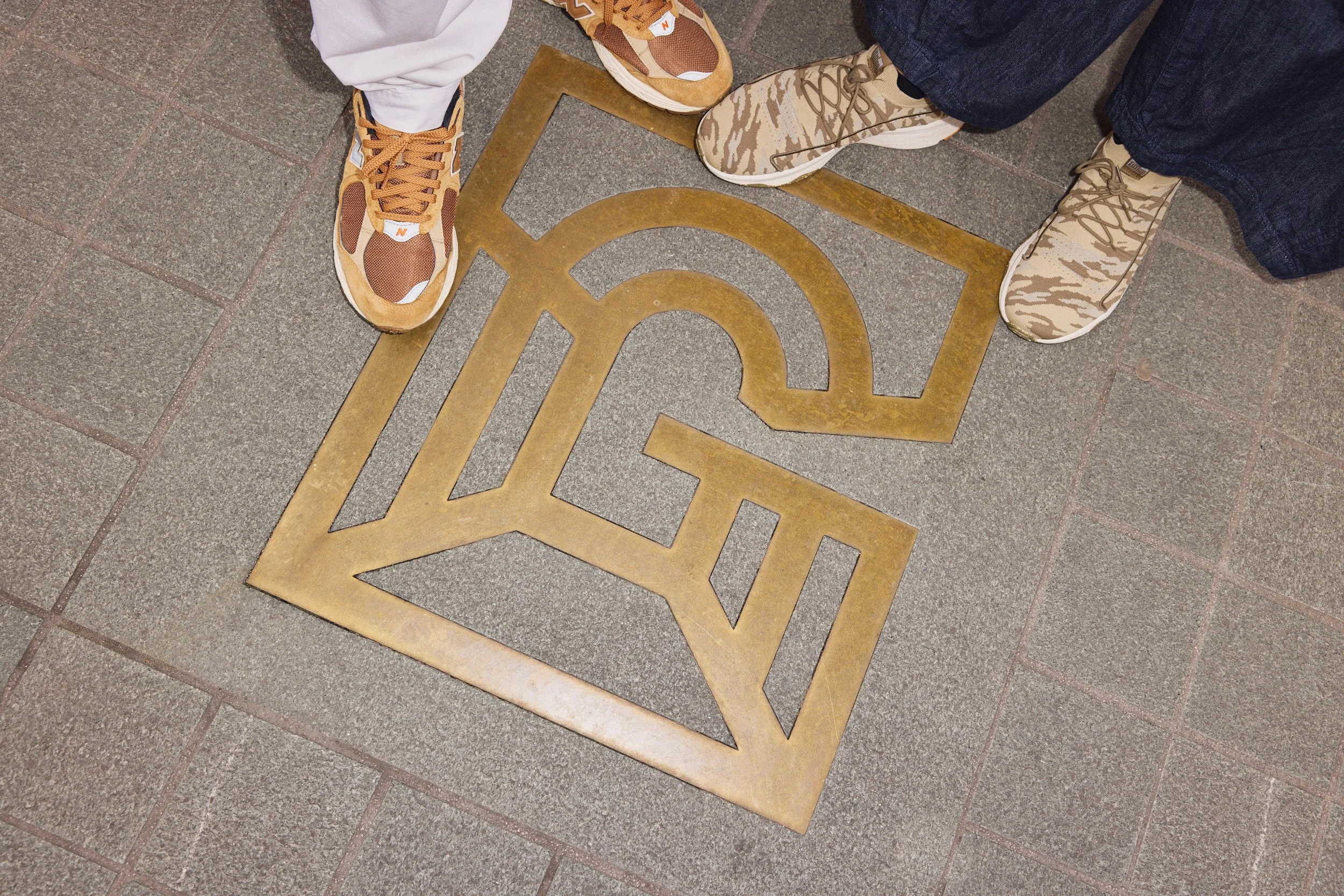
Darren: It was a consideration, but more fundamental was just making something authentic and attractive to a new audience. The architectural interventions were really sympathetic to the space, so we brought that same language into a symbol. We were doodling, thinking about doorways, the distinct arched shape, and thought there was a counter shape in there we could use, something people, old and new, would relate to instantly. It also needed to feel cool, contemporary and timeless.
The market’s new colour palette actually came from the city. The council had Newcastle's historic colours documented a few years back, so we pulled the greens, the copper, the stone from that.
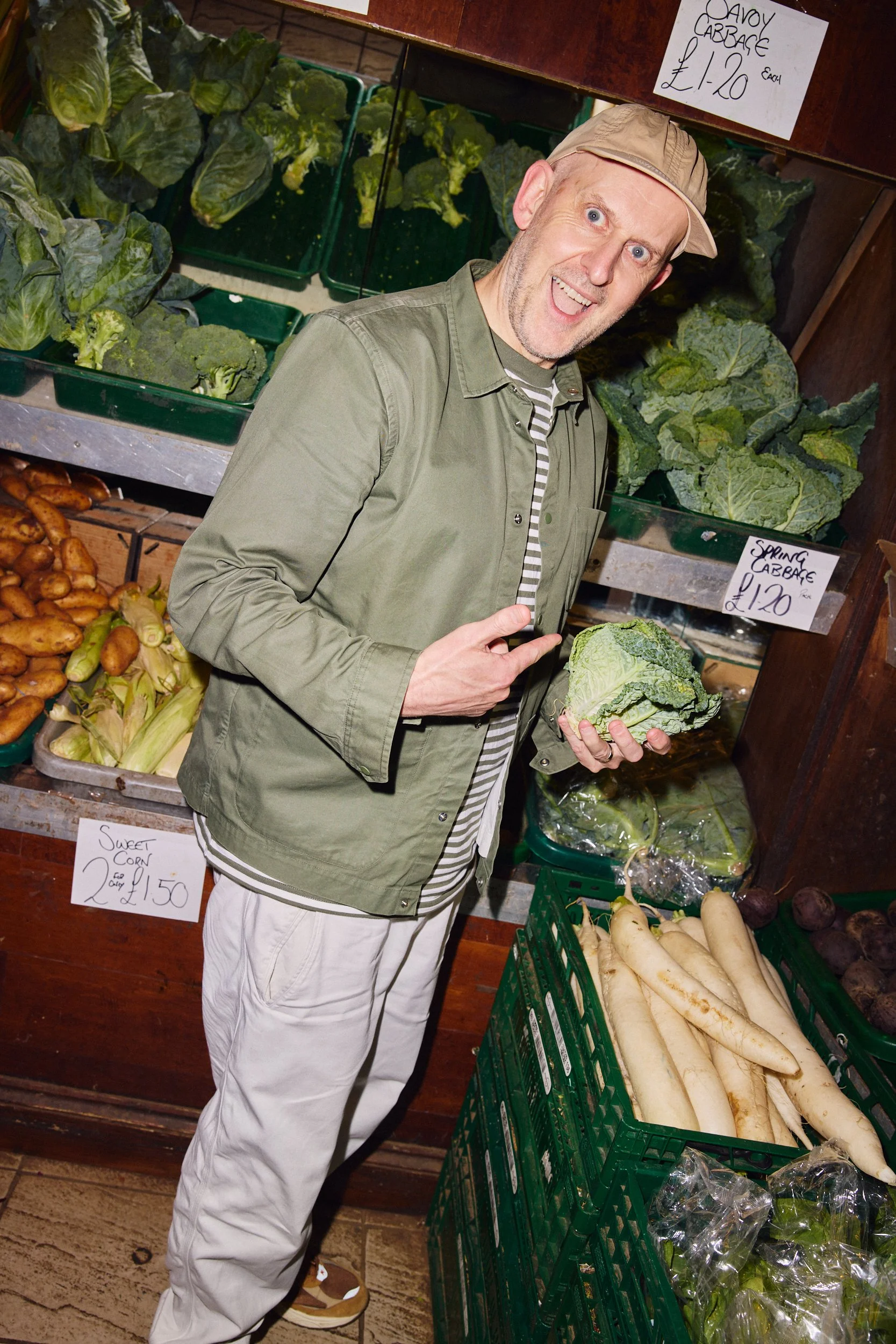
“Going back to my own memory of visiting the market with my mum in the seventies for veg, we've moved so much of that out to retail parks and online delivery since then. Markets are almost the antidote to that now.”
The market's nearly 200 years old and exists so vividly in people's hearts. How do you add something new without flattening what's there?
Darren: You can’t overdo it or push too far forward or you will lose people. We were clear from the start that it couldn't become boutique. It had to stay authentic, so visitors and potential visitors would get a real sense of the place, its history and character.
The typeface we created was a big part of reflecting that authenticity. Typefaces are proper brand assets and we wanted to create our own visual memory structure, like Coke's bottle shape, or an X, a triangle and a box telling you it's PlayStation. Gav, our Design Director, looked at the market's beautiful Georgian floor plan and built a grid off that, which became the foundation of our own Grainger Market typeface. The logo is now cast in brass in the floor outside all 14 entrances. It's there to stay and people genuinely love it.
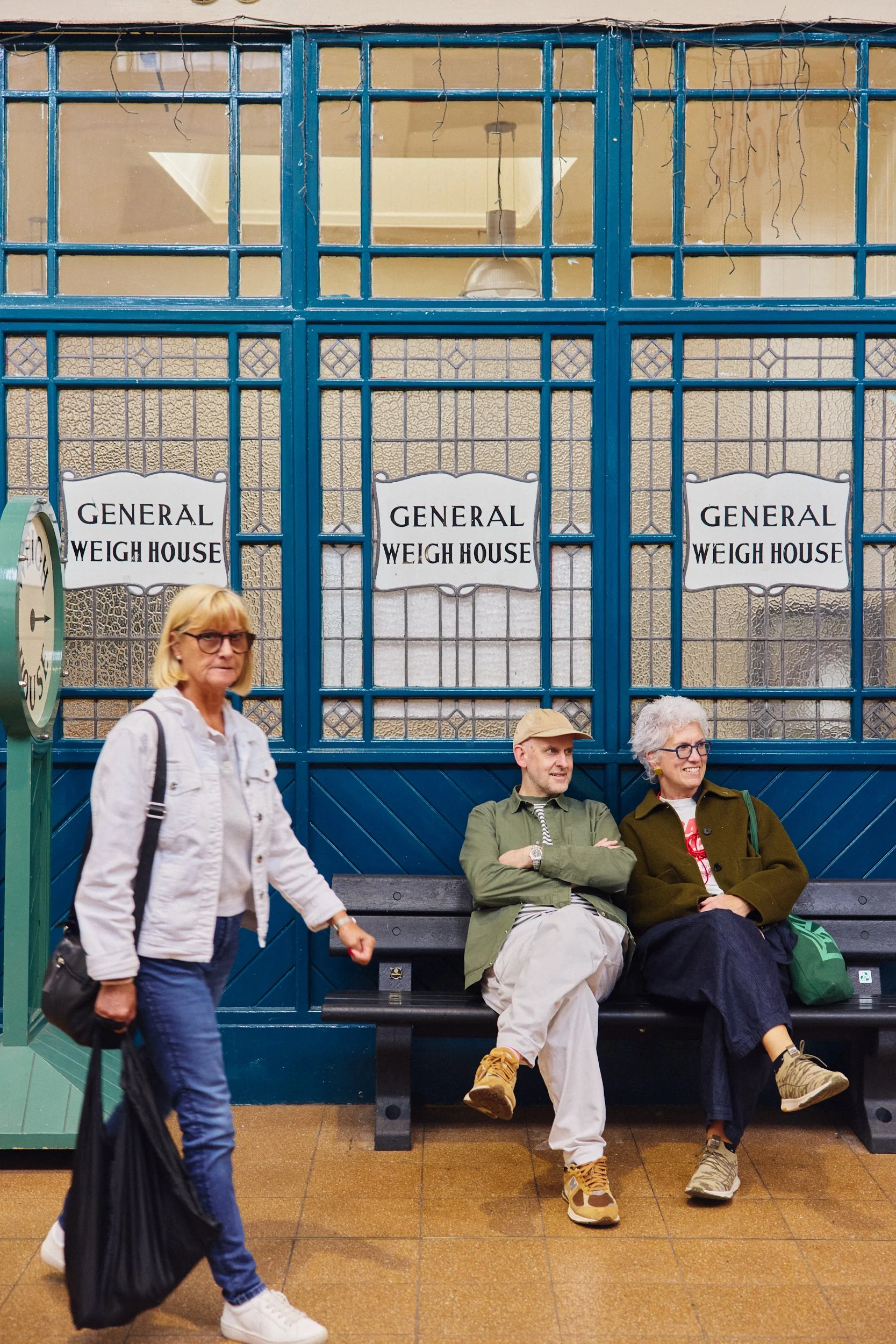
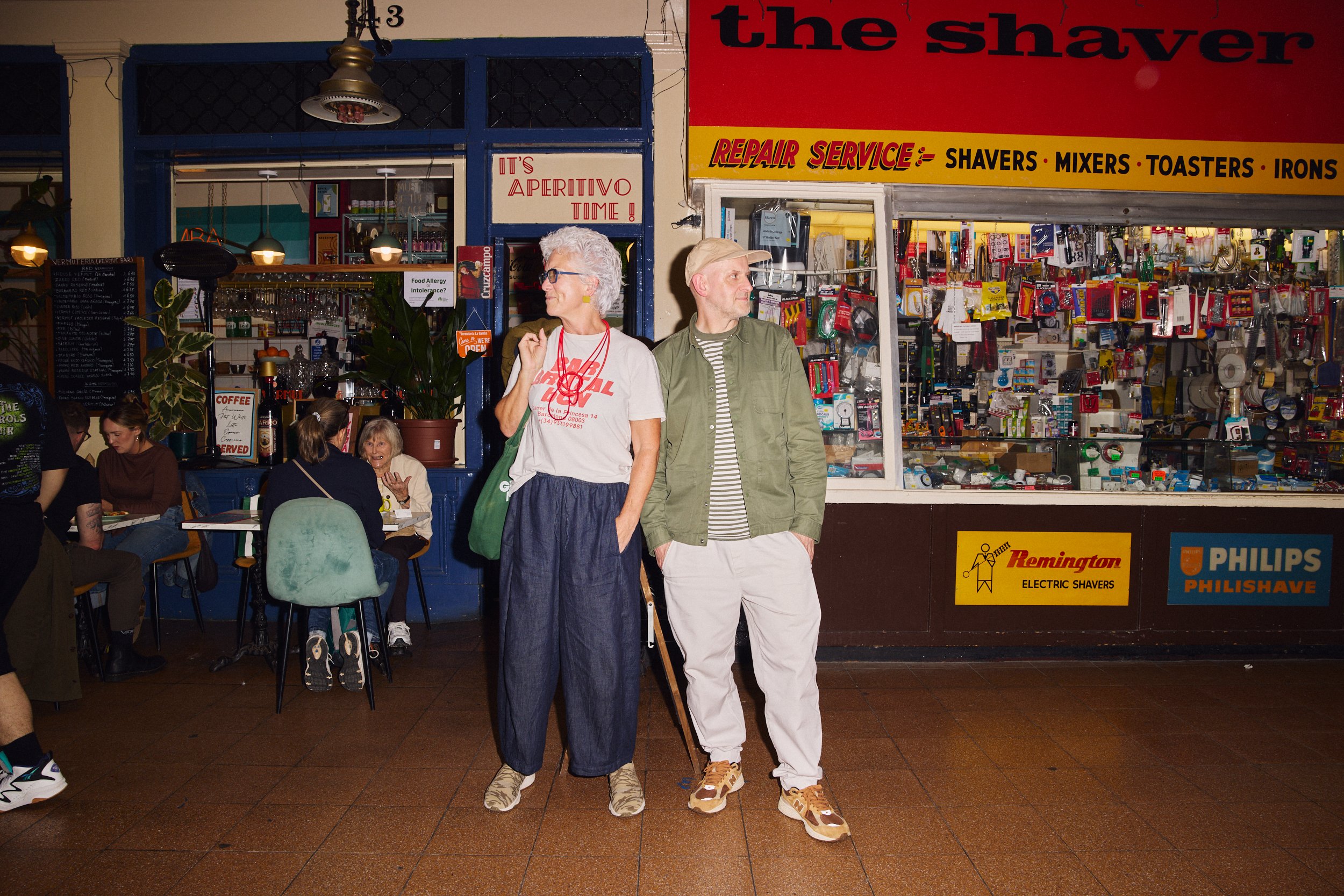
Tania: It's interesting hearing you talk about cues for brand identity Darren, because we do exactly the same thing architecturally. Every intervention starts from reading what's already there; the materials, colours, motifs, proportions and even the tradition of hand-painted signs.
Is it more rewarding regenerating something old, or starting from scratch?
Tania: For me, it's more rewarding adding quietly to something that's already there, becoming part of a story that's been unfolding for generations. You're understanding what gives a place its character and finding ways to strengthen it rather than overwhelm it. You're adding another layer to its history. And the work isn't finished yet. There are still new shops, planting, seating and public spaces to come. That's the exciting thing about markets, they're never really finished.
Darren: Same. It's actually harder to build on something with that much existing equity and meaning. It's not about throwing the baby out with the bathwater, it's about keeping something relevant in a rapidly changing world. There's a wider moment happening too - people are wanting more connection with each other. I was at a talk earlier this year where someone from Google was speaking about "touching grass" - basically the desire to get back to nature, to people, and away from our screens. This project answers that, in a way.
Going back to my own memory of visiting the market with my mum in the seventies for veg, we've moved so much of that out to retail parks and online delivery since then. Markets are almost the antidote to that now. Hearing people say, "it's like I've reconnected with somewhere I'd forgotten," is a lovely thing to hear.
On wayfinding, part of Grainger's magic is that you can walk in dead certain you know which aisle you need, and be completely wrong, it's all a bit back-to-front. How did you organise the wayfinding without losing that?
Tania: The traders were clear on their priorities. Some fixes were simple, like suggesting the installation of new market maps at each entrance and orientating them properly to reflect where you are. We reinstated the red-and-white alley signs, based on the originals from the '50s, some of which had been lost over time. Street names are now over exit doors and in the new floor tile runners at entrances, while three murals help direct visitors towards key city landmarks.
We've also been working with local artist Jed Butress, who's creating suspended sculptures based on objects and stories uncovered through conversations with traders. It'll create a bit of a trail of unexpected objects, without resorting to shopping-centre-style signage which would feel entirely out of place here.
Fundamentally, we're visual creatures. We navigate through recognition, memory and association. That's exactly the wander and wonder of the Grainger Market. You've got the shaver centre next to a Spanish tapas place opposite an optometrist and bagel-seller. It doesn't quite make sense, and that's the charm of it. You don't often remember a sign; but you do remember turning left at the fruit-and-veg stall on the corner. The market's character becomes its wayfinding system.
Darren: It took a while to find the right artist for the wayfinding sculptures. How these objects will sit against each other really nails the essence of ‘wander and wonder'. It will give people a talking point, but it's rooted in a real story, and it's very Instagrammable too.
Ash Willerton did the number lettering on all 14 of the market entrances - a proper lettering artist. We gave him a loose brief and let him bring his own distinctive embellishments to the Grainger Typeface. Working with an authentic local creator like Ash has been one of the biggest pleasures of the whole project.
Thinking back to those two students who first stumbled into this place, what would you want your younger selves to notice first now, and what would you be relieved to see hasn't changed at all?
Darren: When I first visited all those years ago, it was just the people chatting to me and a sense of community that stood out. I want people to notice that that's still here, and it's lovely seeing it grow. This has been a proper collaboration and I think the North East is good at that. I talk about being a "civic creative", using what we do to actually make the city better, because we care.
Tania: For me, success is seeing the arcade full of people. When I first came here as a student in 1985, this wasn't somewhere you'd sit. You came in, did your shopping, had a wander and left. Today people stay. They share food, meet friends, work over a coffee, discover things they weren't looking for. Even while we're sitting here talking, the place is full of conversations. It feels like a meeting place. You can buy things online, but you can't buy those chance encounters, that atmosphere, that sense of belonging. That's what makes the Grainger Market special.
Connect
Learn More