
Defining Soul
Lucy Batley is the owner of TRACTION, a consultancy at the forefront of AI strategy, ethics and tech adoption. She is also a designer, provocateur and professional dreamer. In this thoughtful exploration of AI and creativity, Lucy reflects on the source of human imagination and the limits of Machine Learning. As AI edges closer to our creative space, she asks: if it can imitate our style, can it ever touch our soul?
Words by Lucy Batley
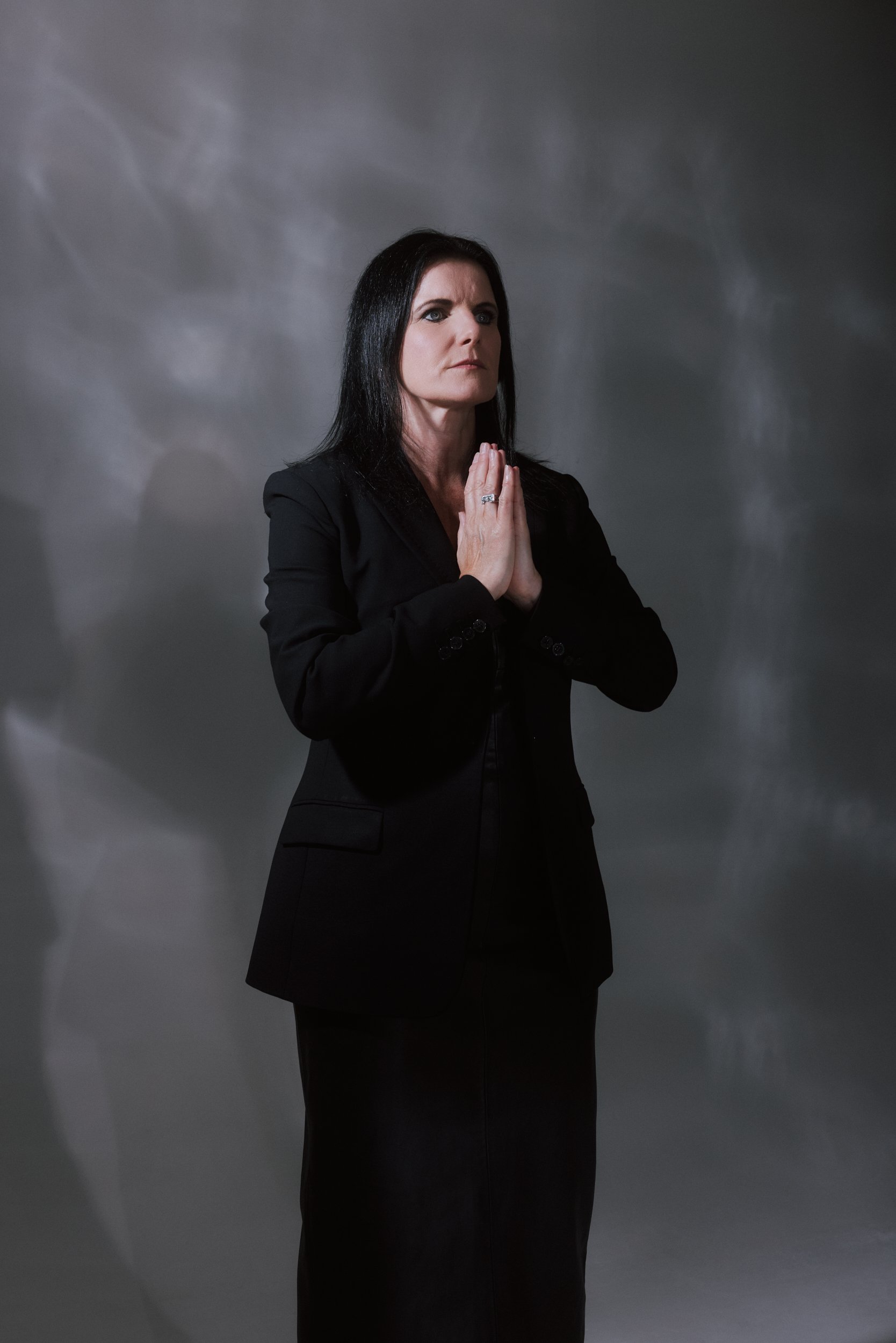
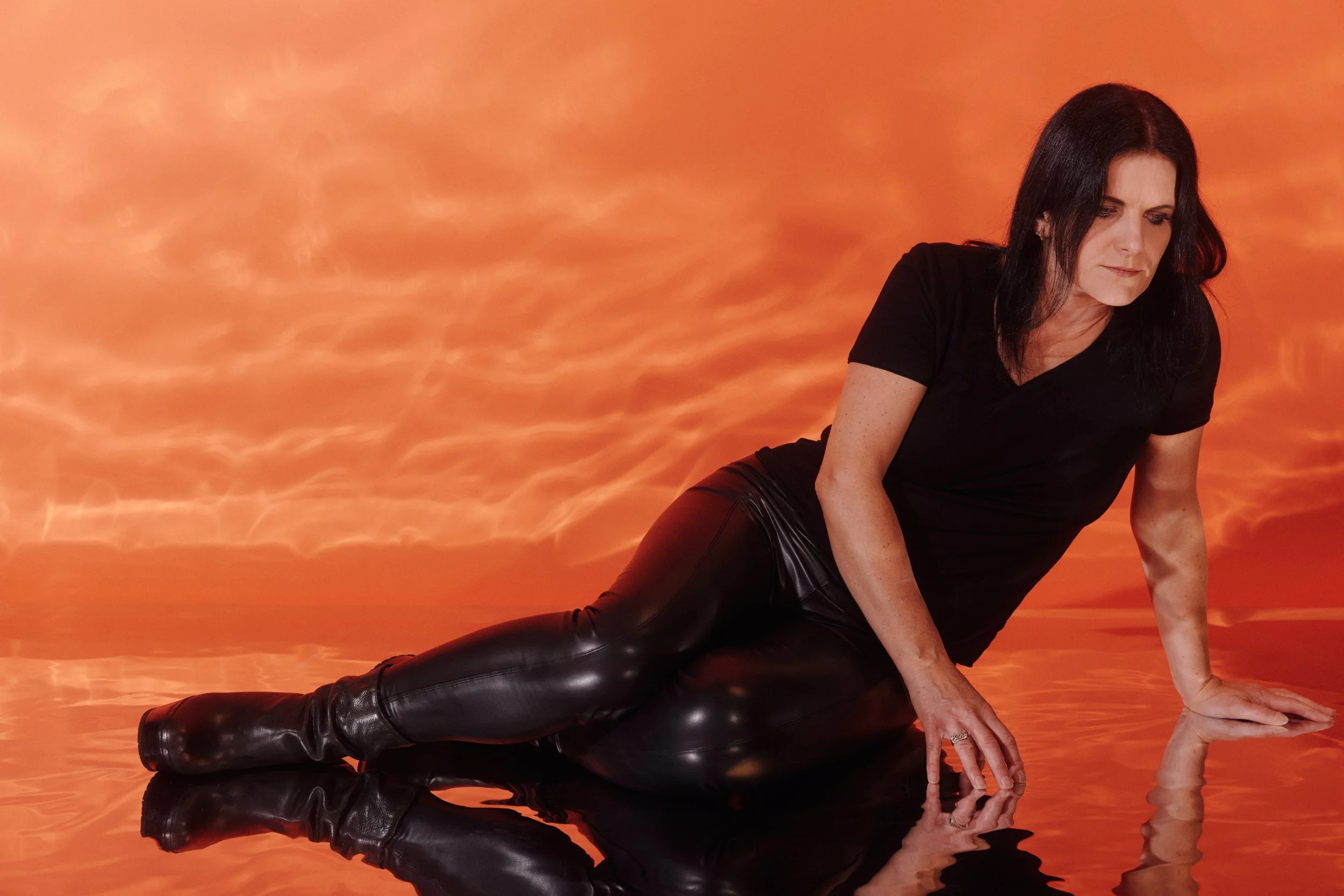
Photography by Christopher Owens
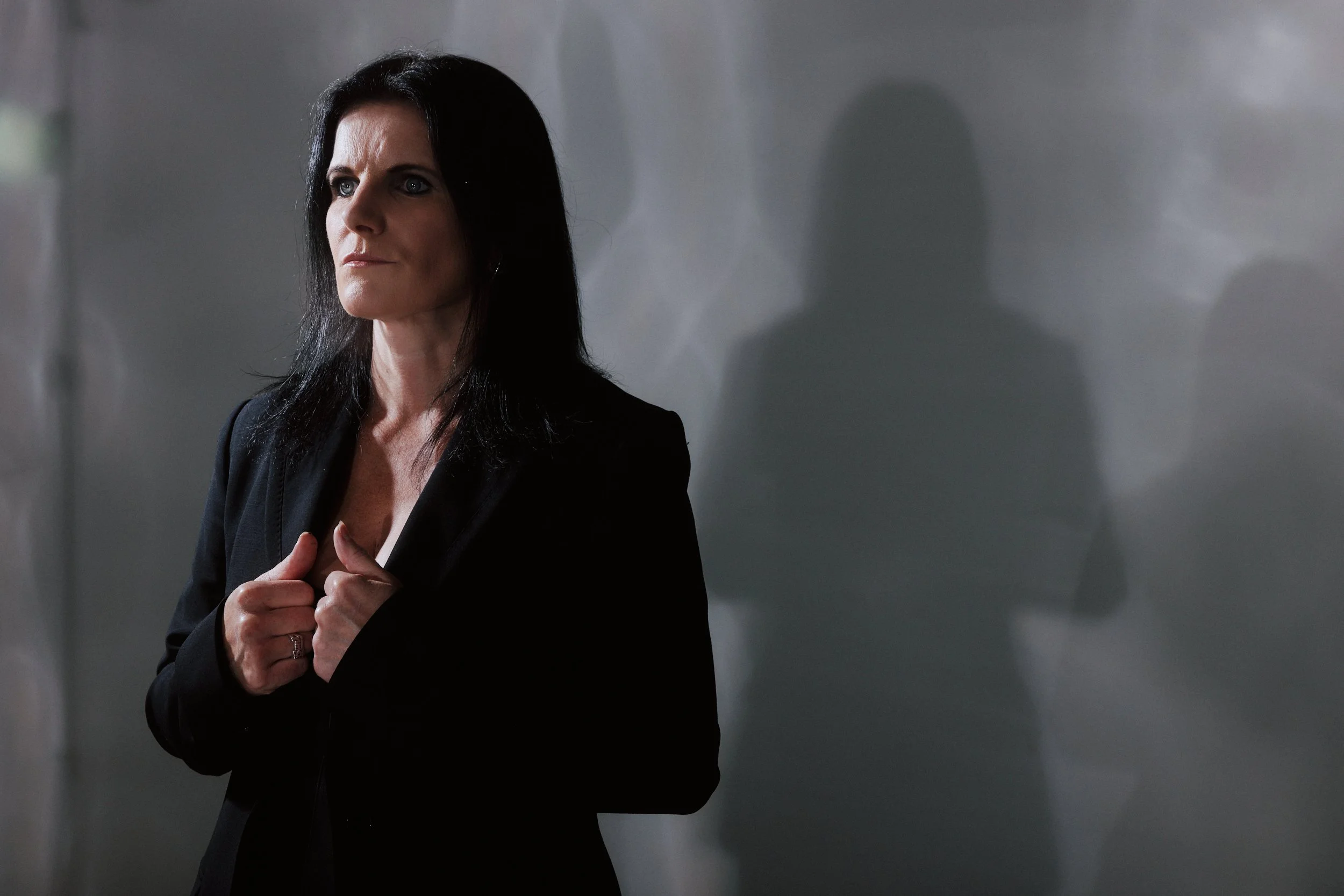
I didn’t expect a briefing meeting to turn into a philosophical debate. But then, that’s what happens when you collaborate with Christopher Owens. Chris is a long-time friend, a big thinker and a photographer whose true talent isn’t just what he sees through the lens; it’s how he uses his ‘Spidey Sense’ to read the subject and get the shot. When we met to talk through ideas for the upcoming shoot, the conversation meandered into deeper territory: what does it mean to be creative in a world where AI can make ‘art’?
It began innocently enough. "What should the shoot look like?" Chris asked. But soon we were circling a bigger question: can AI be creative? We both laughed. No. Absolutely not. It might produce what looks like creativity. It might even fool a few people. But underneath, it lacks the fundamental qualities that define human artistry: experience, emotional intelligence, a cultivated skillset and that ineffable, unquantifiable element we call soul.
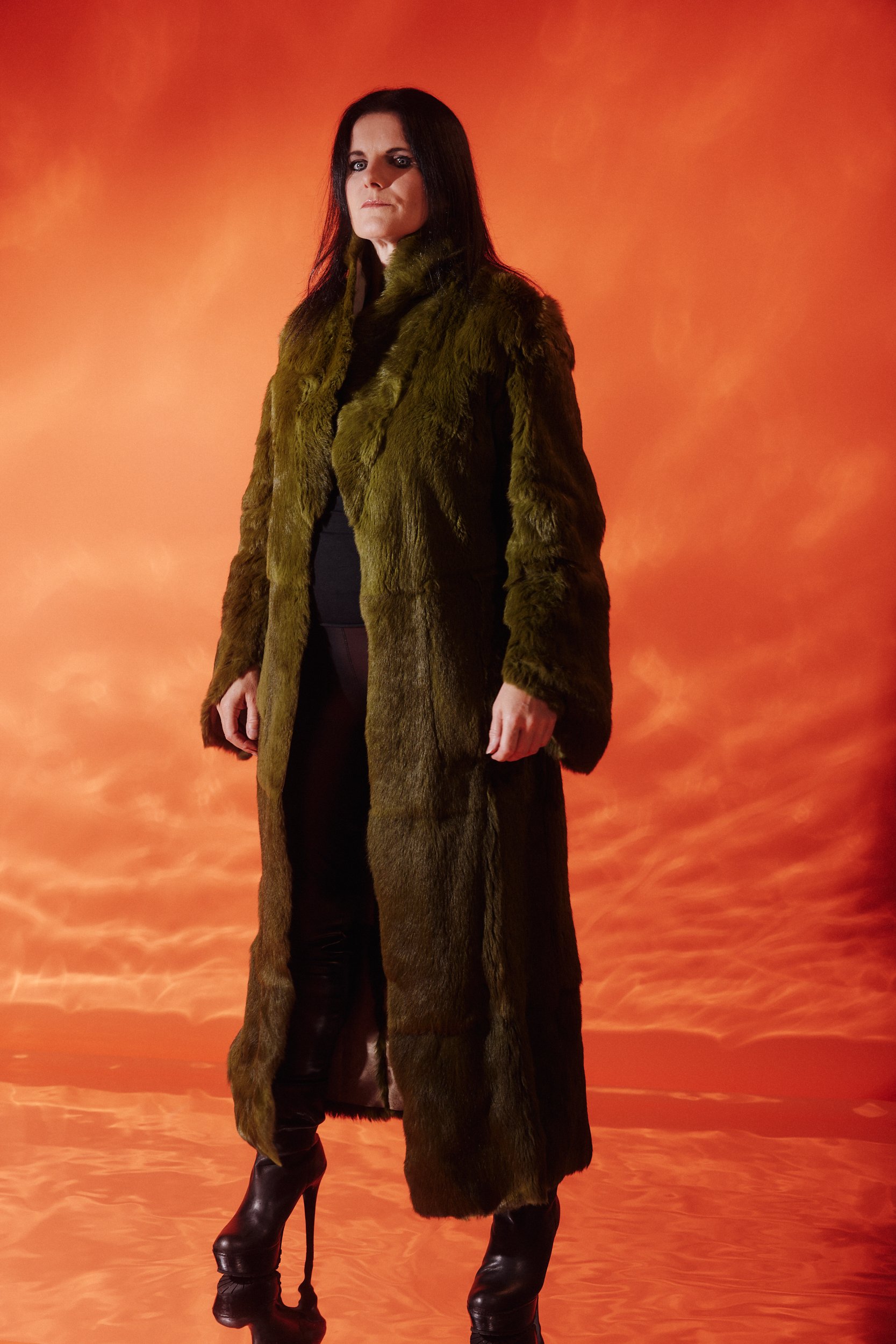
“AI is a tool. But that’s exactly what it is: a tool. Not a rival. Not a muse. Not an oracle.”
Soul is a concept infinitely difficult to define. Perhaps because it is something instinctively felt, like the weight of a memory you can’t quite place.
But just beneath that word, another kept echoing louder: creativity. As with soul, we use the term easily, often reverently, as if we all agree on what it means. Yet try to pin it down and it resists capture; part instinct, part intellect, part accident. Where does it come from? Why do we feel it’s ours alone? And what would it mean philosophically, culturally, existentially, if machines could ever claim it too?
My background is in the creative industries. I’ve spent three decades navigating the crossroads of design, digital technology and business. These days, I run an AI consultancy. We help clients use AI in smart, strategic, ethically aligned ways. I understand the power and promise of GenAI. I even use it myself - frequently, enthusiastically. AI is a tool. But that’s exactly what it is: a tool. Not a rival. Not a muse. Not an oracle.
“Soul is a concept infinitely difficult to define. Perhaps because it is something instinctively felt, like the weight of a memory you can’t quite place.”
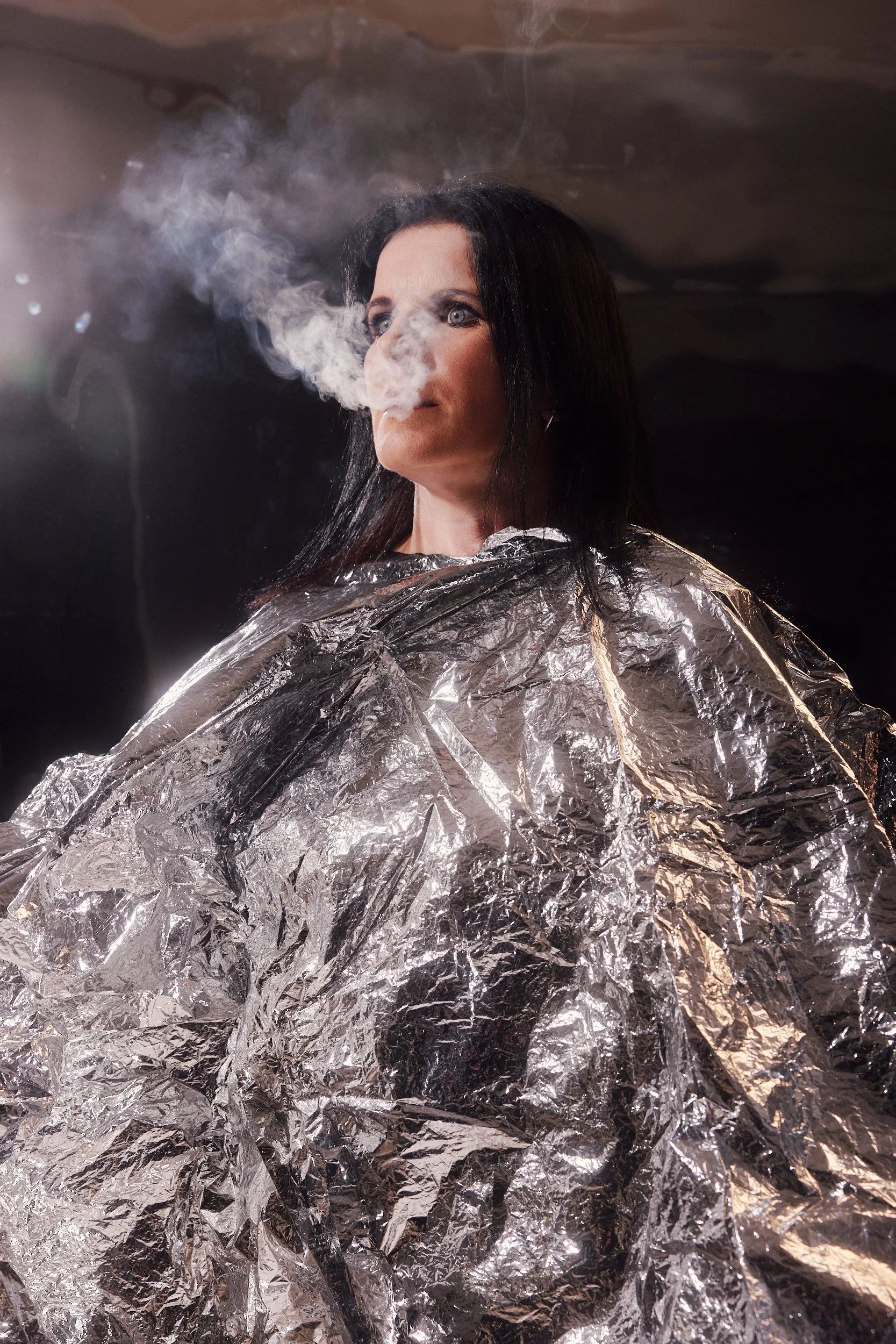
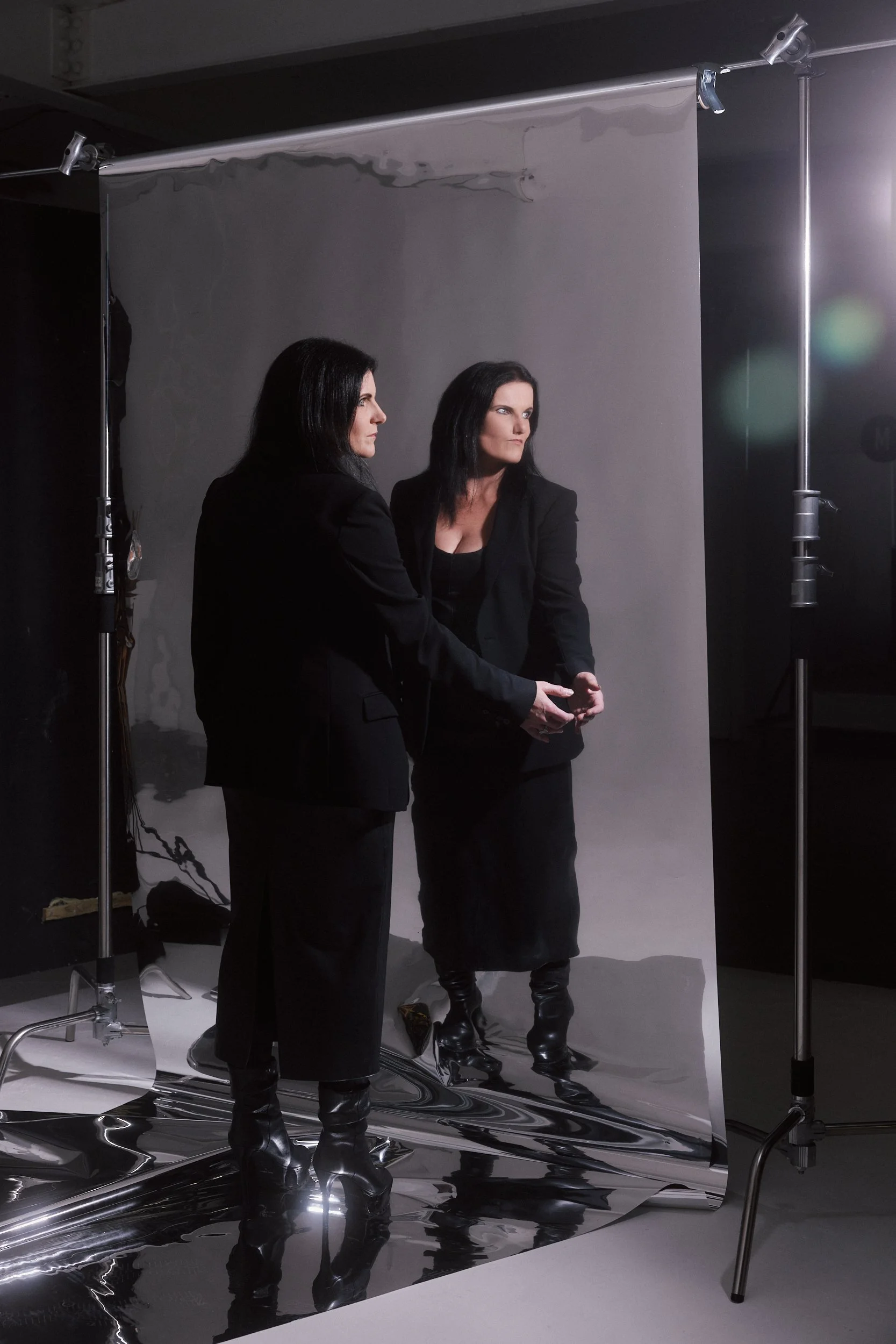
There is a growing narrative that AI will soon replace artists, writers, designers, musicians. I don’t buy it. What it can do is amplify, accelerate and (if you let it) imitate. But what it cannot do is originate from that messy, fragmented place we call the human condition. It doesn’t forget. It doesn’t wander. It doesn’t dream.
And I do. I dream vividly, wildly. Lucid dreams, sometimes. Whole alternate realities that play out while I sleep. This isn’t a whimsical boast. It’s a reflection of how I process the world, and my part in it. My ideas don’t come to me in neat bullet points. They arrive in flashes, fragments, after long periods of tension, research, thinking, unthinking. Like many creatives, I’ve noticed that my best ideas emerge precisely when I stop trying to have them. In the shower. On a run. Stirring a cup of tea.
Years ago, I led a research project asking people: when do your best ideas come? The answers were delightfully mundane: making toast, driving home, walking the dog. The moment you disengage, your subconscious gets to work. The brain, no longer constrained by linear logic, begins to connect dots you didn’t know existed.
Darwin’s great idea about evolution didn’t strike him out of the blue. It gestated for over two decades. Twenty-five years of observation, doubt, notes, dead ends. And then, one day, the penny dropped. That’s creativity. Not magic. Not machine logic. But the slow accumulation of lived experience, shaped by a mind capable of leaping into the unknown.
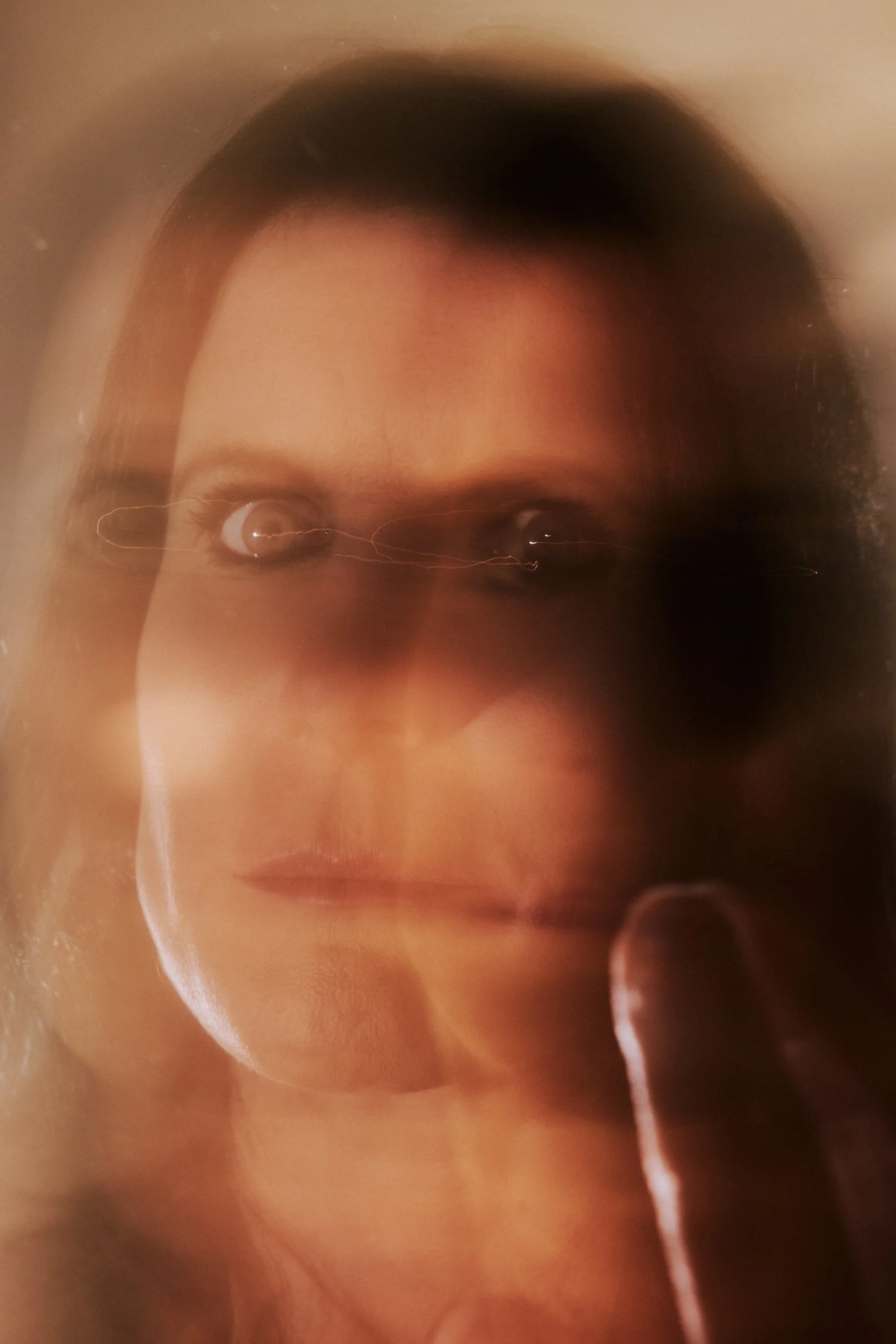
“I dream vividly, wildly. Lucid dreams, sometimes. Whole alternate realities that play out while I sleep. This isn’t a whimsical boast. It’s a reflection of how I process the world, and my part in it.”
Which brings me back to Chris, and the shoot, and the painting.
There’s a piece of AI-generated art in my house. A print called Five Pints In, gifted to me by a close friend. It was created by one of the earliest neural network systems that dabbled in generative visual art. It’s abstract, strange and slightly uncanny. I keep it on display because it sparks conversation. It asks a question. What is this? Art? Simulation? A pastiche of Cubism and algorithm?
It is not beautiful. But it is provocative. And that, in its own way, is useful.
Chris and I have decided to include it in our shoot. It’ll be in the frame somewhere, maybe slightly askew. A symbol of our times. Of the collision between the analogue and the algorithmic. But the real focus will be on our shared moment - photographer and subject, old friends, creatives, curious minds. Laughing. Challenging. Building something ephemeral and deeply human.
Because what Chris does isn’t just capture an image. He connects. He disarms. He creates a space where imagination flows both ways. And that, I believe, is something AI will never understand. Not because it isn’t smart, but because it has no skin in the game. No consciousness. No unconscious dreams. No fear of failure. No joy in the exchange. Creativity isn’t just about making something. It’s about being witnessed while making it.
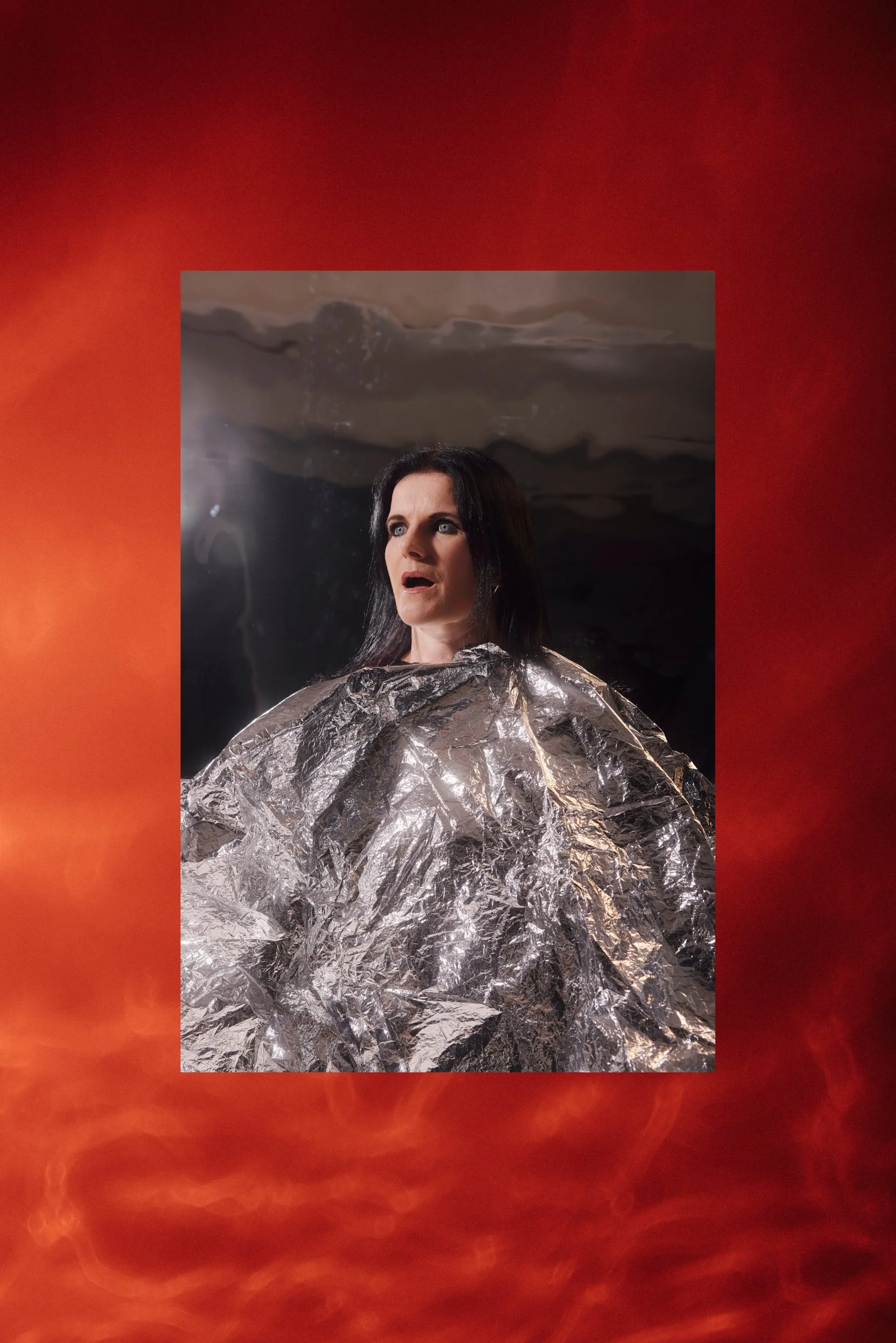
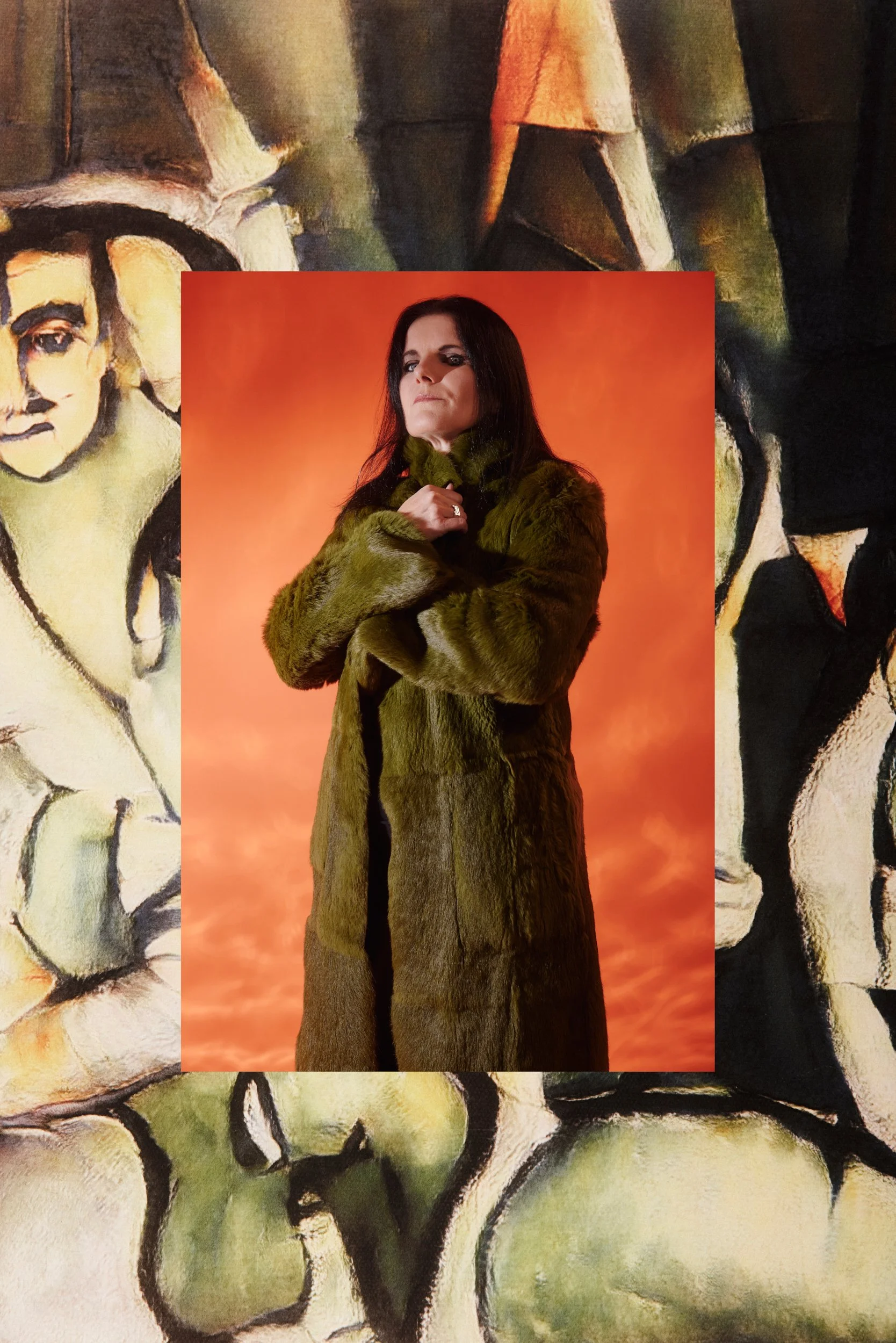
“The human creative process is often slow, illogical and wildly inefficient. And that’s its gift. It comes from curiosity. From feeling. From that glorious, frustrating, uniquely human urge to make meaning.”
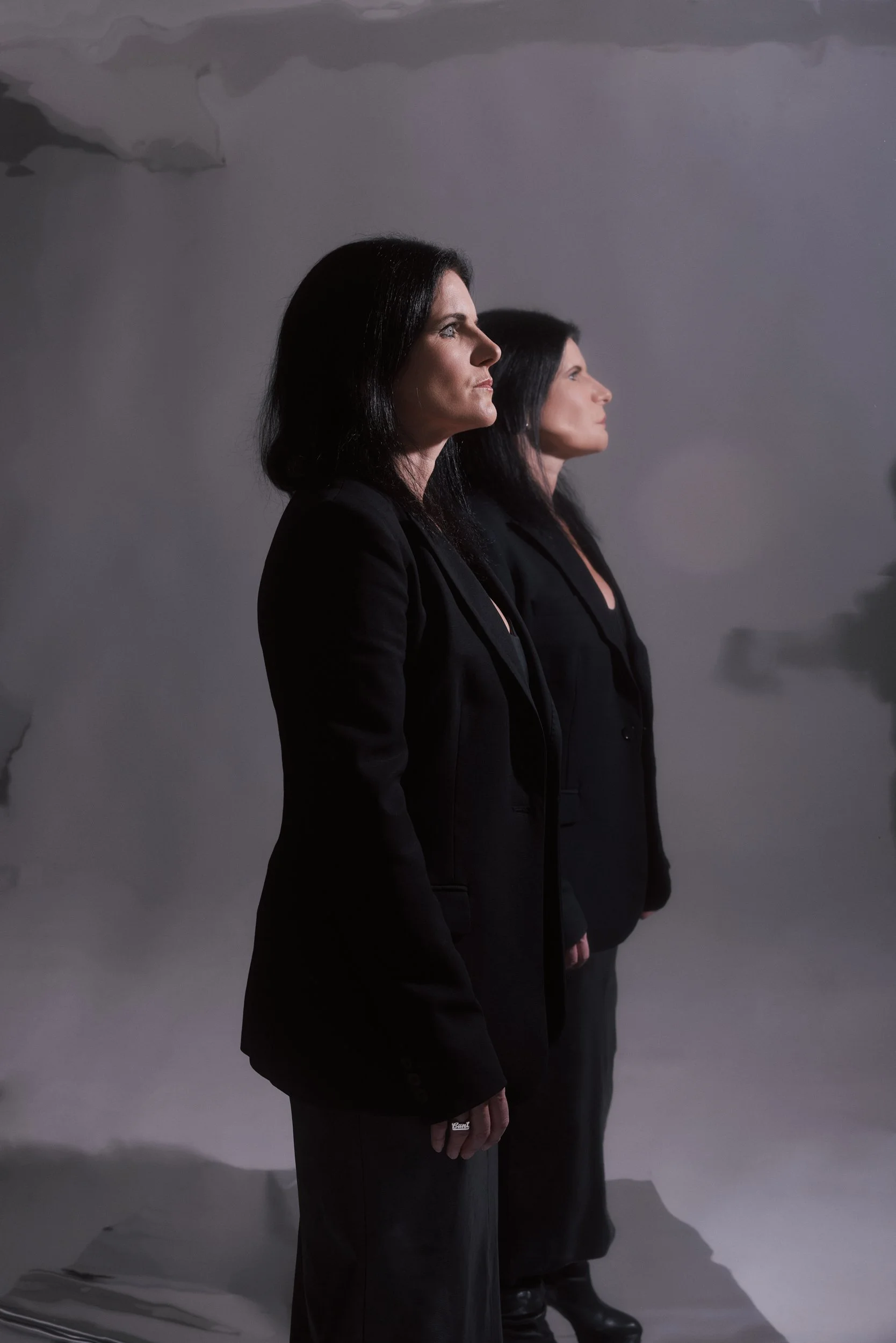
We’re entering an era where machines can replicate style at scale. Where a simple prompt can generate a thousand images. Where written content can be spun out in seconds. But what does it mean to stand out in such a world? How will we, as creatives, differentiate?
To me, the answer lies not in speed or polish, but in presence. The human creative process is often slow, illogical and wildly inefficient. And that’s its gift. It comes from curiosity. From feeling. From that glorious, frustrating, uniquely human urge to make meaning. Our way of making sense of a chaotic world.
AI will keep evolving. It will get better at mimicking us. It might even challenge us in uncomfortable ways. But let’s not confuse simulation with soul. Let’s not outsource the unknown.
Because ultimately, we still don’t know what soul is. Or consciousness. Or imagination. And until we do, we’d be wise to stop assuming we can code our way into it.
As for me? I’ll keep asking the question. Keep staring at that strange painting. Keep dreaming, keep being in the present and letting my mind wander into places no algorithm can chart. And when the shoot finally happens, I know Chris will catch it - not just a static image, but a vision of something more. A moment unscripted. A glimpse of the soul in motion. The kind of thing only humans, in all our glorious imperfection, ever truly make.
Connect Lucy Batley
Learn More Traction Industries