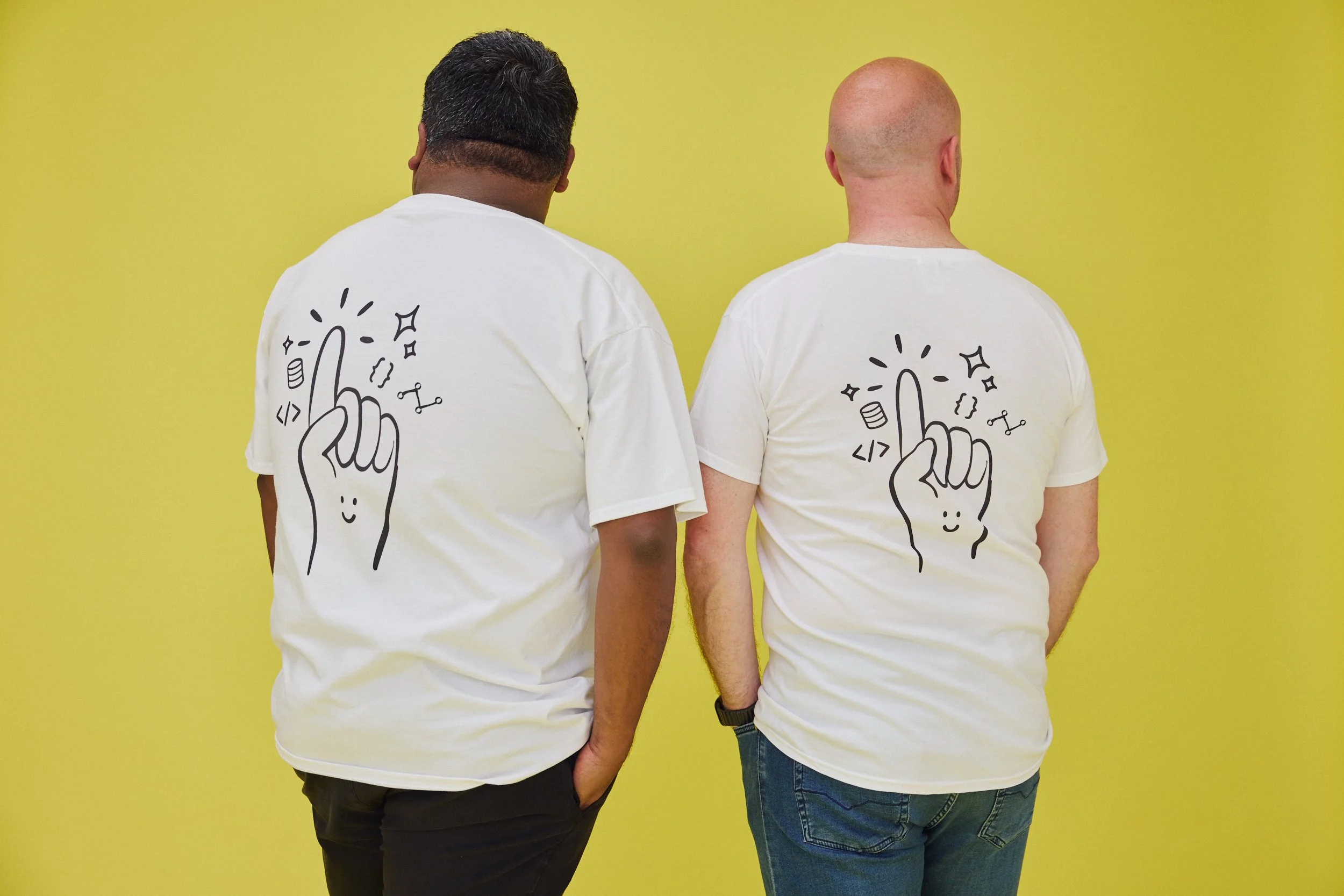
The Same Side Of The Table
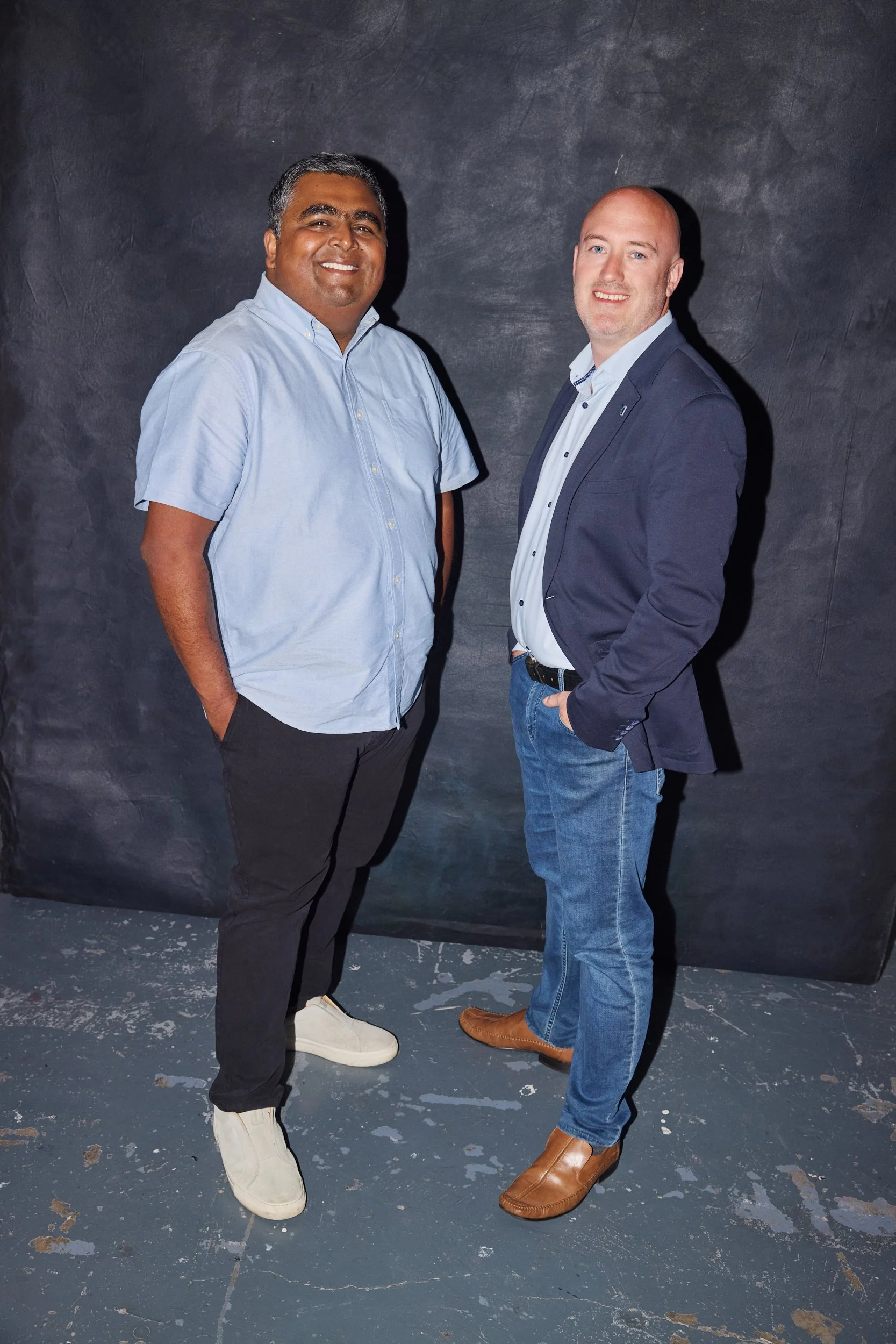
Sarat Pediredla spent nineteen years building one of the North East's digital success stories, with Alan Morris as its chief technology officer.
They've started again, on a bet that AI has changed who gets to build serious software, and how fast.
Photography by Christopher Owens
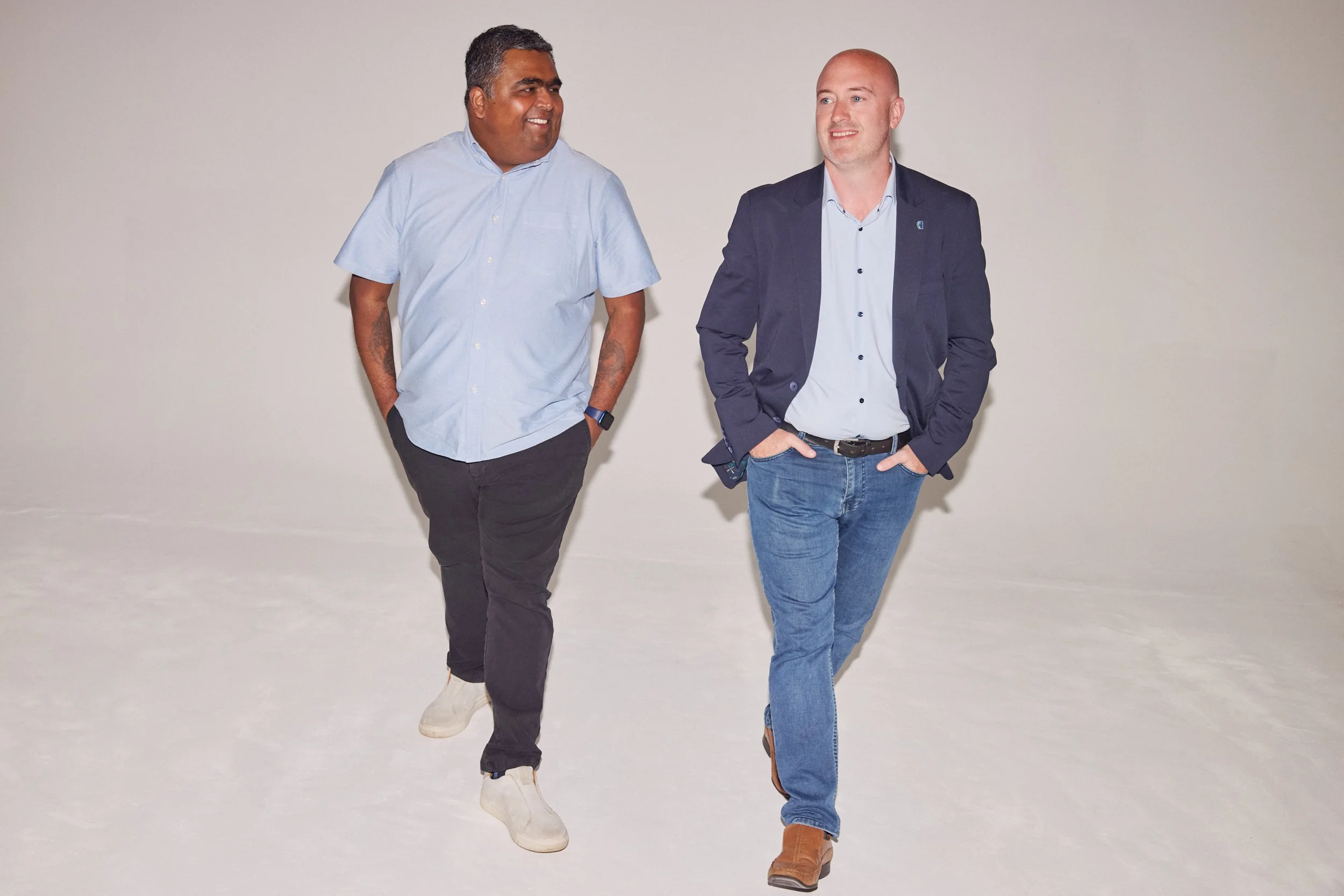
There's no shortage of opinion right now about what AI means for the people who build software. Sarat Pediredla and Alan Morris would rather build than weigh in. So they've started a company.
For nineteen years, Sarat Pediredla ran hedgehog lab, the consultancy he grew from two people in South Shields to a hundred and fifty across the UK and Europe. Alan Morris was its chief technology officer through the more recent years, and has since been building agentic systems in healthcare. Between them they've shipped a lot of software, and learned, slowly and then all at once, how the business of building it actually works.
They could have stopped there. Instead, this June, they opened LevelFive, an AI-native digital product studio in North Shields, across the Tyne from where it all began.
Sarat had only just stepped away from all that, and wasn't in any rush to go back. The idea arrived anyway, over dinner in the spring. The two of them have been friends for years as well as colleagues, and they were catching up, trading stories about what AI could suddenly do. Somewhere in the back and forth, the conversation turned into a question. Maybe we should start a consultancy.
Sarat had built one before, in the old model, and knew exactly how it worked. This wasn't unhappiness talking, it was the size of the opening. "This is one of the biggest foundational shifts in twenty-five or thirty years," he says. "There's a window to change how businesses get software built, and how much they get out of it. We didn't want to bolt that onto an old shape. We wanted to start from the new one."
Something specific had tipped it. In November last year, Claude Opus 4.5 arrived, and paired with Claude Code, the tool the engineers built in, it changed what AI agents could do inside a working codebase. After a couple of years of steady gains, this was a genuine leap. In the months since, the same thought kept returning to both of them: the technology now made a kind of business possible that simply hadn't been before.
For Alan, it's also a kind of return. "I started out writing software," he says. "Then I spent years building and leading the teams that build it. Now I'm back where I began, writing it again, as a very different engineer."
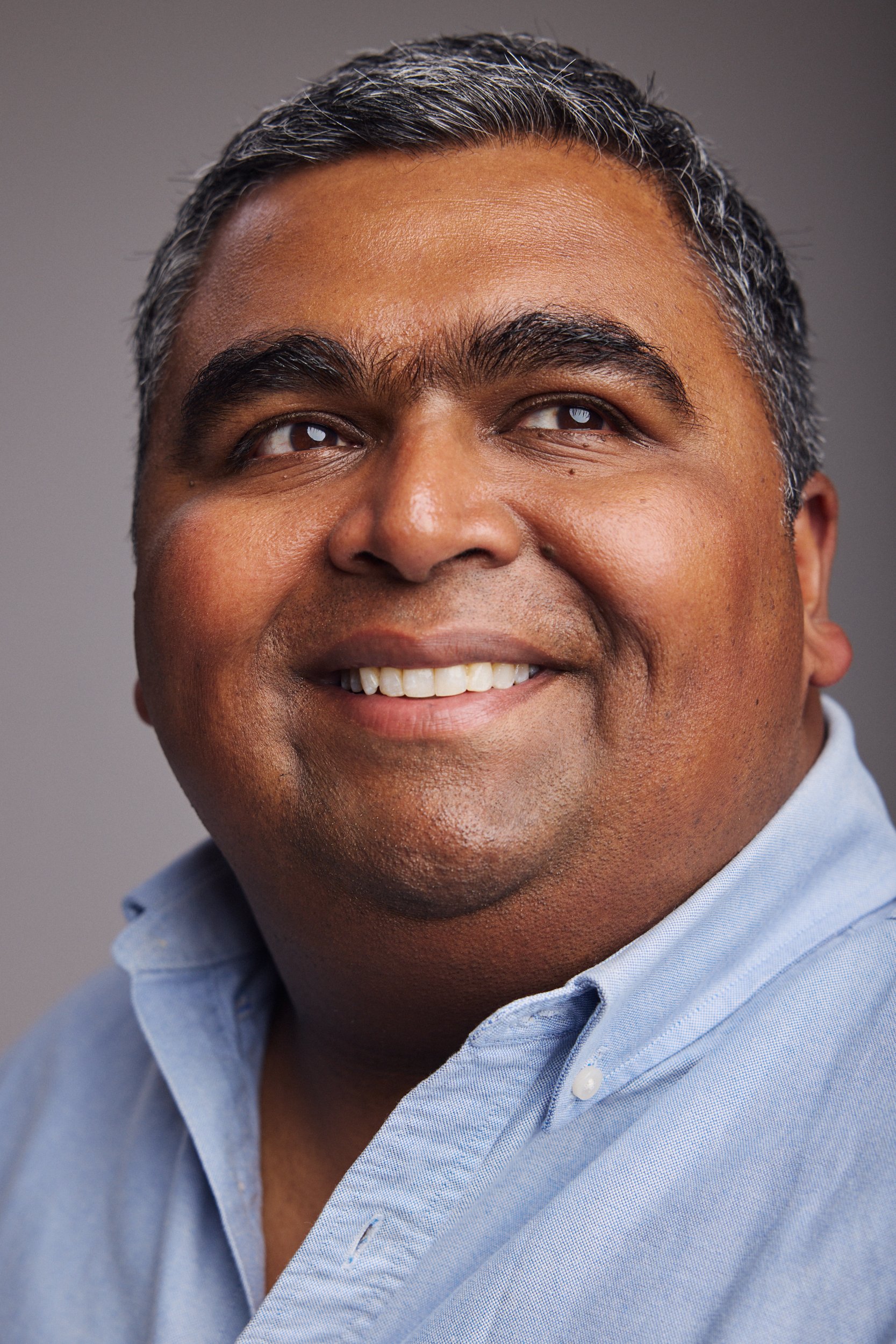
"I've spent my whole career arguing you can build globally ambitious things from the North East. I still believe it. This is me putting my name to it again."
Sarat Pediredla
What changed
Sarat had only just stepped away from all that, and wasn't in any rush to go back. The idea arrived anyway, over dinner in the spring. The two of them have been friends for years as well as colleagues, and they were catching up, trading stories about what AI could suddenly do. Somewhere in the back and forth, the conversation turned into a question. Maybe we should start a consultancy.
Sarat had built one before, in the old model, and knew exactly how it worked. This wasn't unhappiness talking, it was the size of the opening. "This is one of the biggest foundational shifts in twenty-five or thirty years," he says. "There's a window to change how businesses get software built, and how much they get out of it. We didn't want to bolt that onto an old shape. We wanted to start from the new one."
Something specific had tipped it. In November last year, Claude Opus 4.5 arrived, and paired with Claude Code, the tool the engineers built in, it changed what AI agents could do inside a working codebase. After a couple of years of steady gains, this was a genuine leap. In the months since, the same thought kept returning to both of them: the technology now made a kind of business possible that simply hadn't been before.
For Alan, it's also a kind of return. "I started out writing software," he says. "Then I spent years building and leading the teams that build it. Now I'm back where I began, writing it again, as a very different engineer."
The change, as they describe it, is mathematical before it's anything else.
Three years ago, building a product meant a team. A product owner, a designer, a handful of engineers, someone on quality, an engagement lead. Twelve weeks of sprints. Everyone knew the shape, because everyone had worked inside it for a decade.
In 2026, Sarat and Alan say, two senior people working with AI agents ship what that team used to ship. Not a demo. Production software, running, doing the job.
Sarat had already proved it to himself. Before LevelFive, he built a complete B2B SaaS product on his own, in about three months, with agents that fixed bugs and ran the tests themselves, around the clock, while he slept. The sort of build that used to take a team months.
"AI is the next big shift after cloud and mobile," Alan says. "Two decades on, I'm a more patient engineer than I ever was, and agentic tools are a multiplier for that. Two of us now put into production what a full team needed a quarter for. The work doesn't get smaller, though. It gets more interesting."
He's careful about that last part. The worry with this technology is that it flattens the craft. Alan's read is the opposite.
"The interesting questions move up the stack. Which decisions belong to a person, and which belong to an agent. Getting that line right is the whole job."
When the team is two or three senior builders rather than ten, a lot of the old machinery falls away. The standups went first, then the sprint planning, then the quarterly ceremony that used to fill a room for two days. None of it built software. It coordinated the people who did. Take the headcount down and the coordination goes with it, and what's left is the work.
Alan is honest about how unsettled all this is. "The processes and the teams we built to make software are becoming obsolete," he says. "And nobody really knows what the industry looks like in five years, or three, or maybe even one."
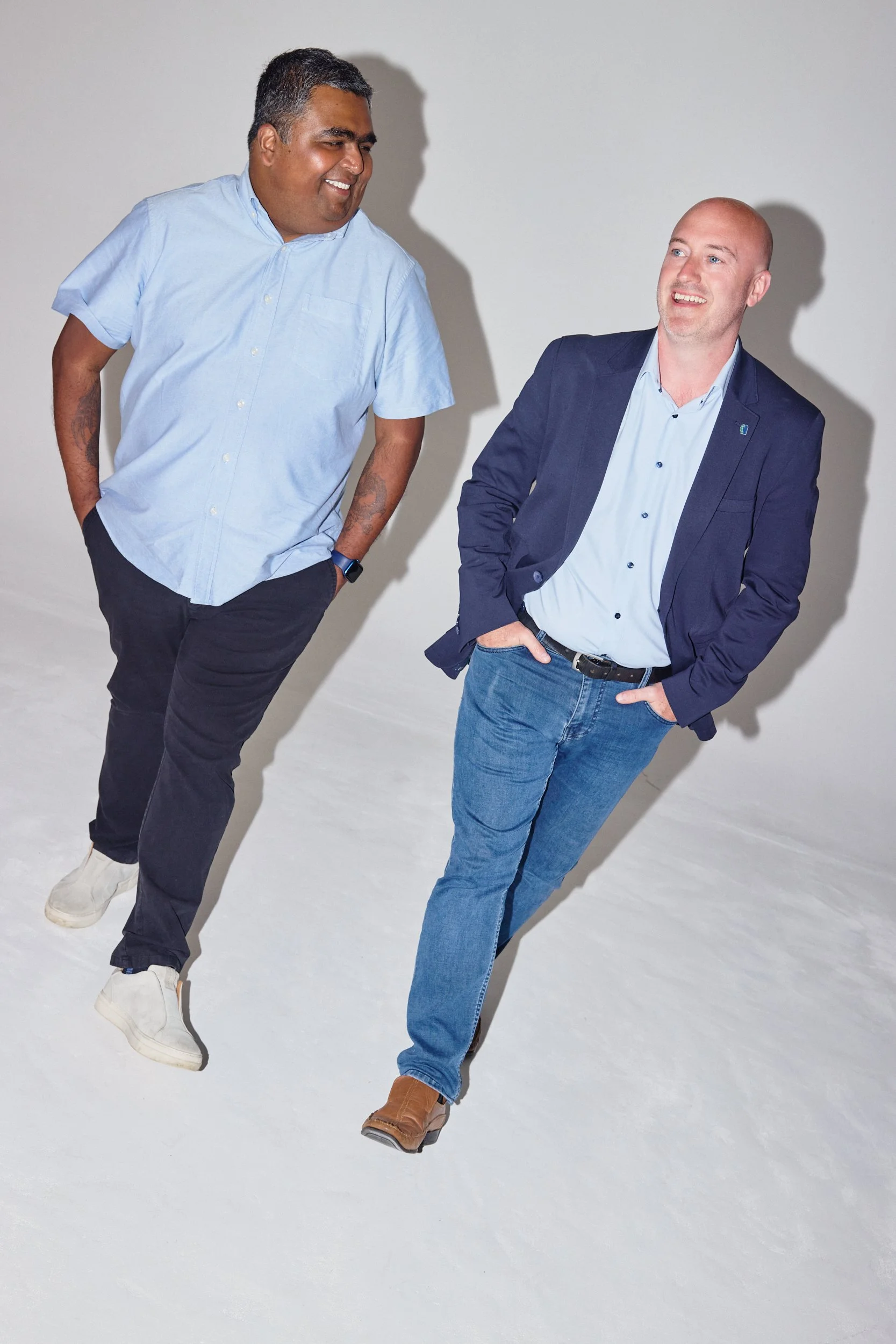
The same side of the table
Ask Sarat what LevelFive actually sells, and the answer isn't software. It's how quickly a business gets value from it.
Software has always been how companies get better at what they do, winning customers, taking friction out of how they run. The catch was always what it cost. Building it properly was expensive and slow, and it could still fail, so real product work mostly belonged to big enterprises and well-funded tech startups. Everyone else made do, or waited.
That's the part Sarat thinks has shifted. AI-native engineering has pulled the cost and the timescale right down, and taken a chunk of the risk with them. A mid-market business can now get a proper product built, and get it quickly. The companies that were always priced out are the ones he's most interested in.
"The businesses we most want to help have always been priced out of doing this properly," Sarat says. "That's the part that excites me. Not the technology for its own sake. What it lets more people build."
Being on the same side of the table follows from that. LevelFive prices the outcome and carries the risk itself, rather than billing for the time it takes.
"If we build it faster, that's our reward for being good at the work. If it takes longer than we thought, that's our problem to solve, not your problem to pay for."
The same logic explains why you won't find AI sold as a line on the invoice. "Listing AI as a service in 2026 is a bit like a carpenter listing 'using tools'," Sarat says, smiling. It's built into how they work, and the only thing the client is really buying is the result.
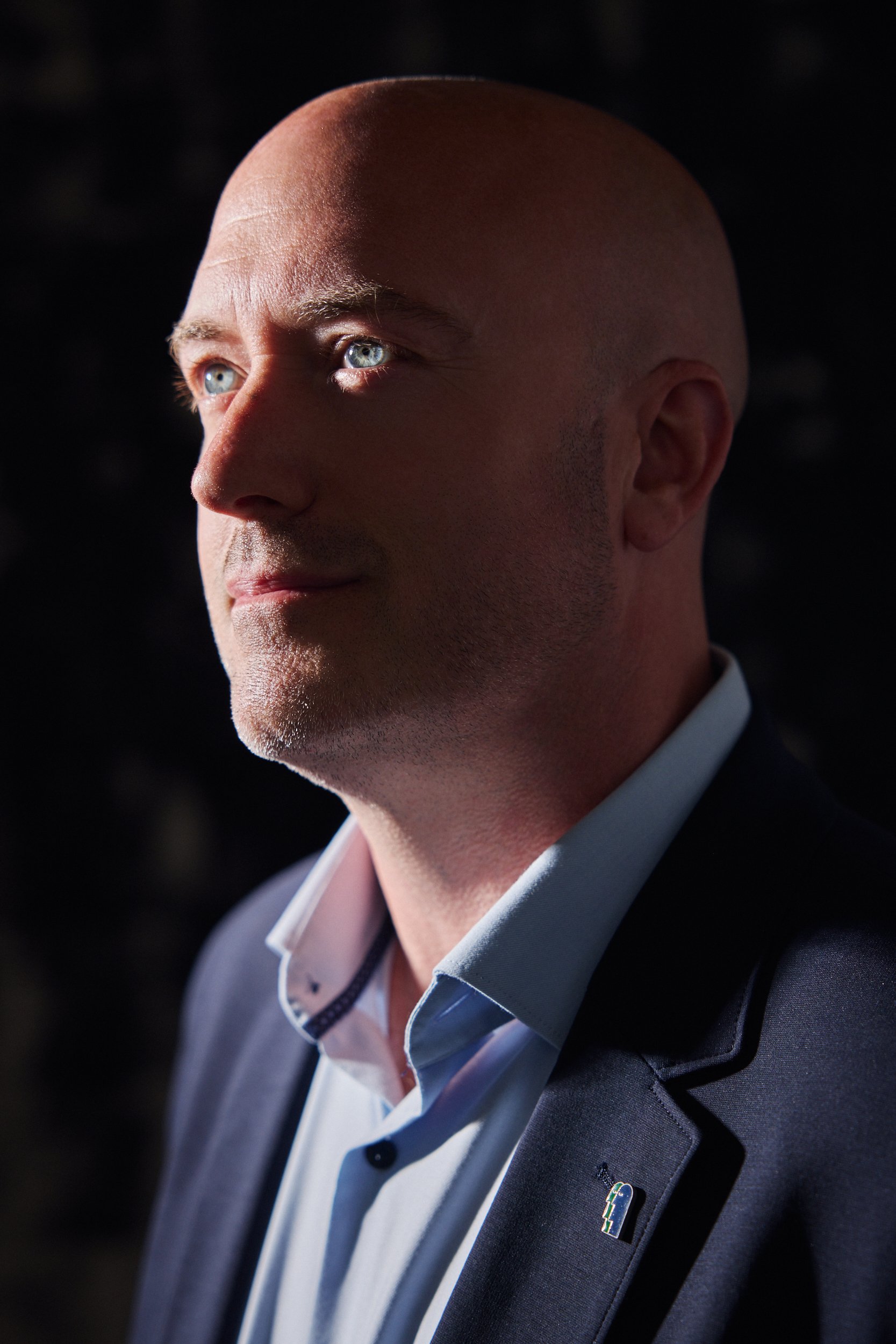
“I started out writing software, then I spent years building and leading the teams that build it. Now I'm back where I began, writing it again, as a very different engineer."
Alan Morris
Built here, on purpose
There's a regional thread running through all of this, and neither of them tries to hide it.
LevelFive is headquartered in Newcastle, with a network of senior builders across the UK. That's a choice, not a constraint.
"I've spent my whole career arguing you can build globally ambitious things from the North East," Sarat says. "I still believe it. This is me putting my name to it again."
The model leans on that network. LevelFive scales by bringing in proven senior people for specific engagements, every one with at least ten years on the work. Its own back office runs on Helix, an agentic operating system Alan built, so the business doesn't need to add people to grow.
For Alan, it comes down to people before process.
"I lead from a simple belief," Alan says. "People want to do good work, and the job is to create the conditions for them to do it. Trust, honesty, autonomy, and the safety to take a risk and be wrong. That's the studio we wanted to build."
What's next
LevelFive launched on 15 June. It's early days, so there's no client to name yet and no case study to point to. What there is, behind the new name, is two decades each spent building some genuinely complex platforms, and delivering value from them to customers across the UK and around the world.
"Ask us again in a few weeks," Sarat says. "We'd rather show the work than talk about it."
Alan puts it more plainly. "I'm building better software than ever," he says, "faster than I thought possible, and enjoying every minute of it."
It's a fitting place to leave them. Two people who built something that mattered, stepped away, and chose to do it all over again, on the same side of the table as the people they build for.