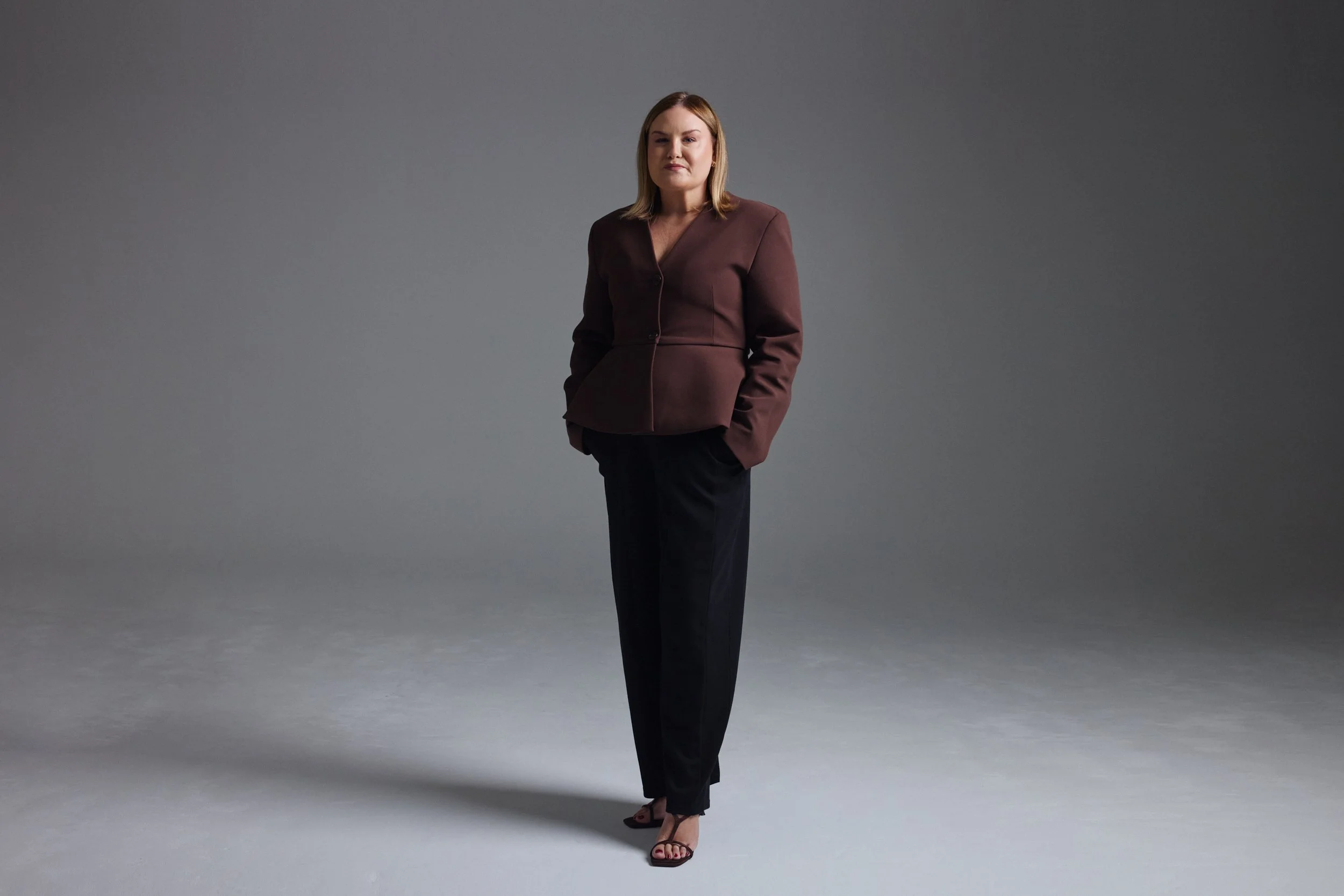
Original Thinking For The New Era In Marketing - Kirsty Ostell
If you ask anyone in the region for the name of a creative communications team, O.agency will come up time and time again.
Known for representing some of the biggest North East names over the last twenty years, from Fenwick to Fentimans, Newcastle’s NE1 to the UK’s fastest-growing tech firm iamproperty, Newcastle College to Northern Pride – if you split the North East open, O.agency runs through it like a stick of rock.
Managing Director Kirsty Ostell is leading the agency into a new era of AI, championed by its founder Kari Owers who started the business back in 2005, the same year social media flipped traditional PR and marketing on its head.
Change is a word they both use daily, if not hourly. Working in an industry that shifts before the rest of the world has had breakfast, they sat down to talk about Original Thinking in a sea of sameness, the effect AI will have on young people entering marketing, and what the future holds for O.agency as it enters its third decade.
Interview by Kari Owers
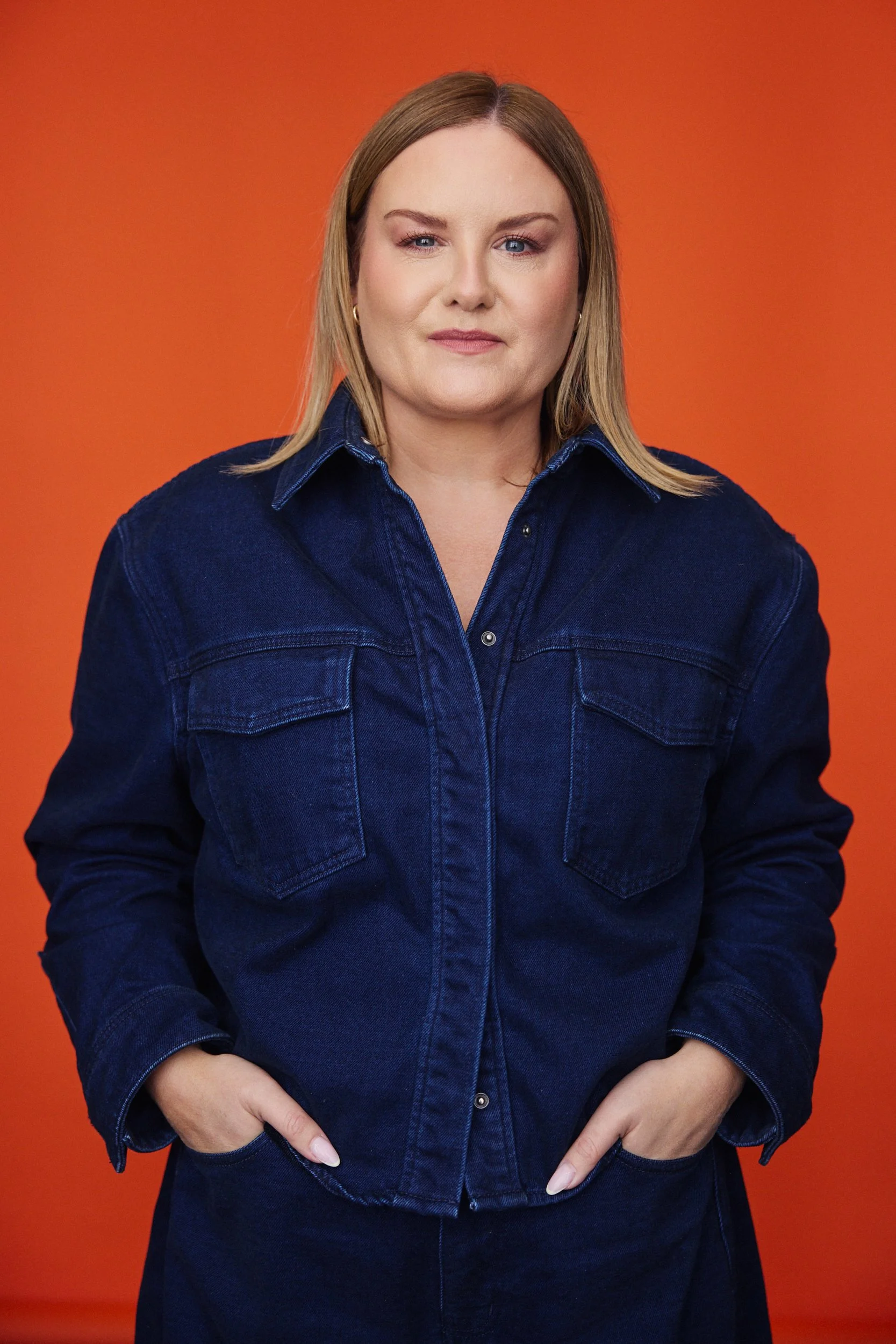
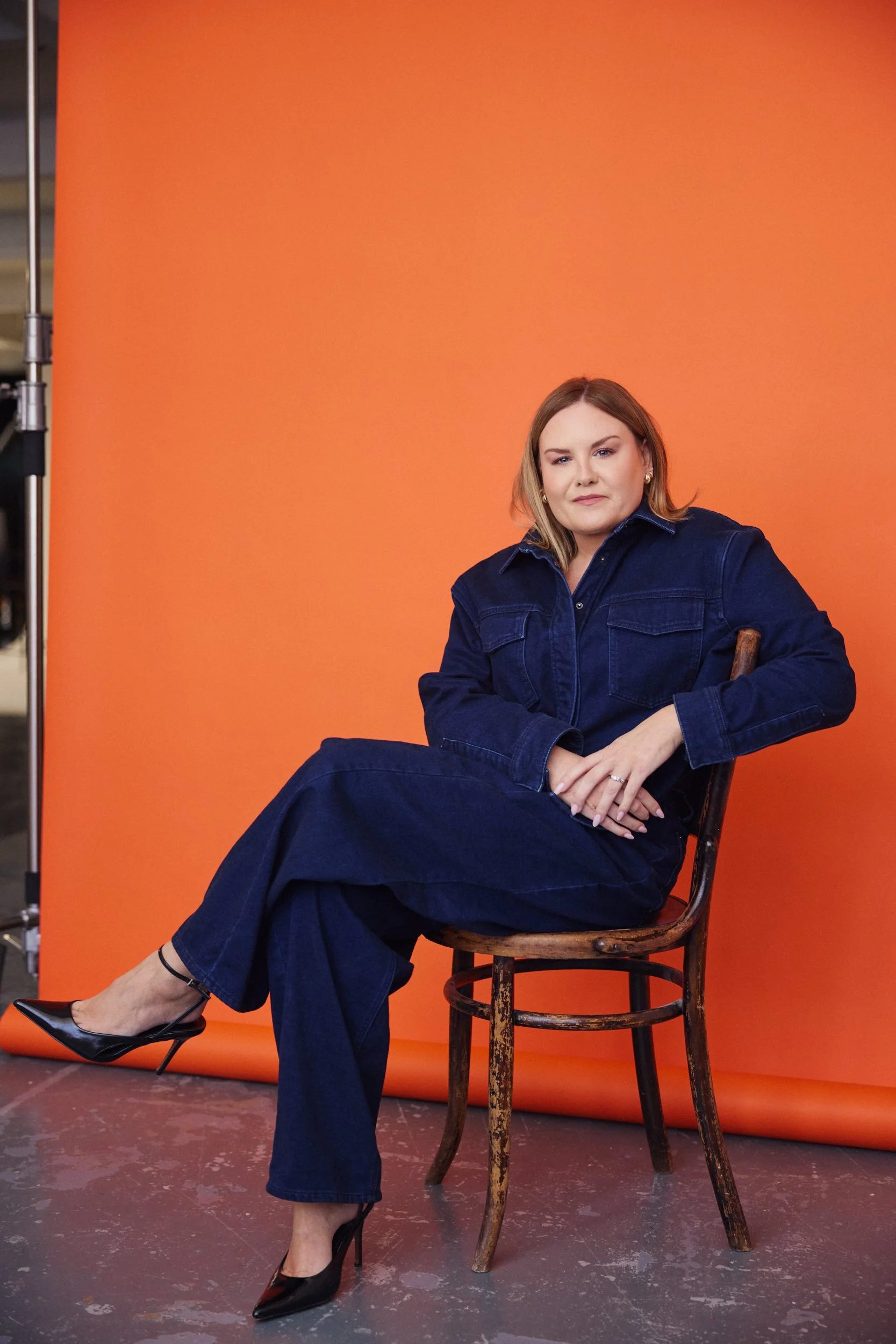
Photography by Christopher Owens
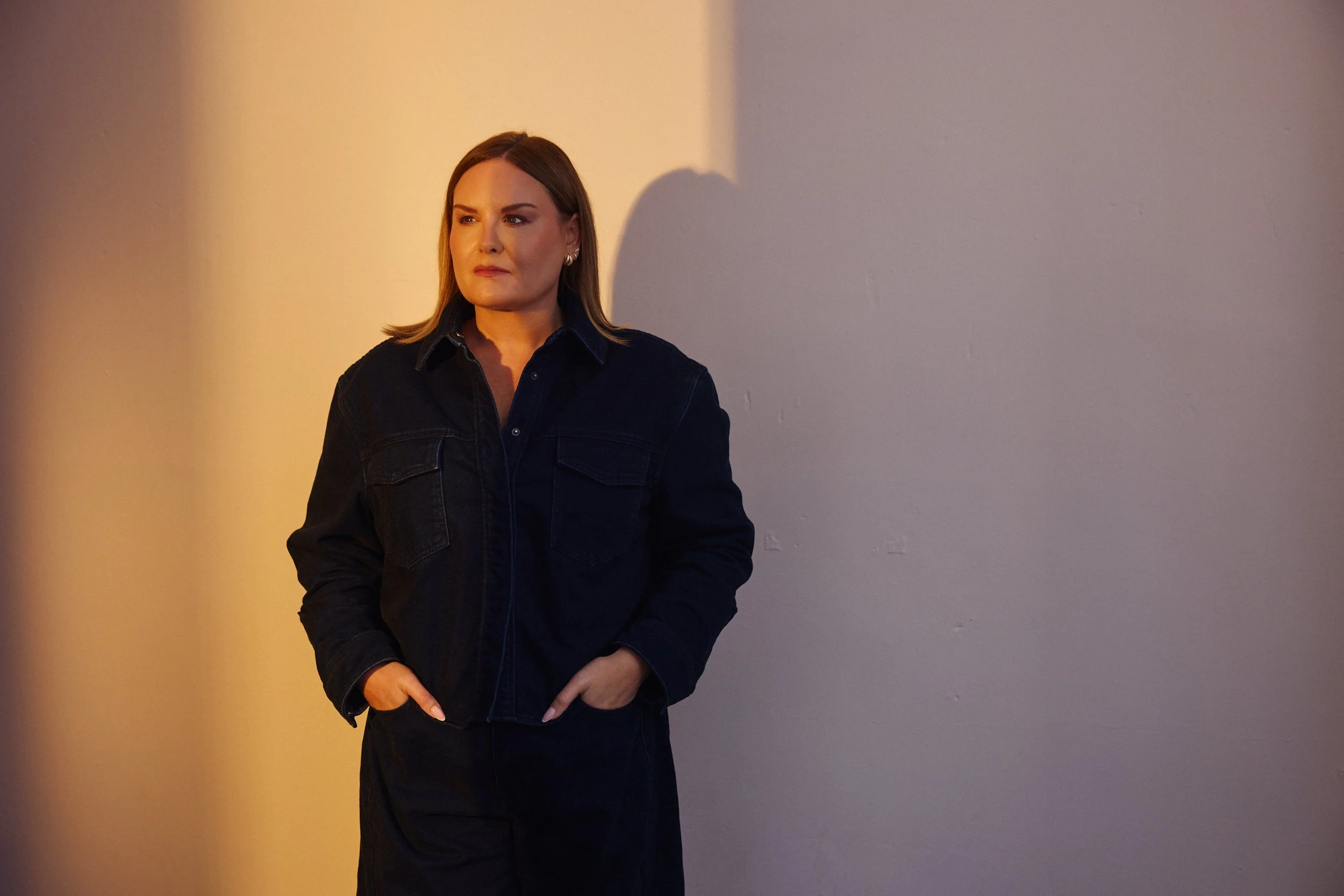
Original Thinking is the agency mantra. Can you tell me why you decided to double down on that message now?
Around six months ago everybody was saying AI was going to replace creativity and going to replace lots of jobs. I think with any major industry change, it's easy to jump on the trending train of thought and think it's going to transform things at that level overnight.
What we began to see from our clients was actually a greater demand for big ideas that are actually just becoming more and more informed.
When we started looking at the idea of Original Thinking, it was about earning attention and how important that is in the really noisy world we call algorithm soup.
Everything had started to look the same, so we wanted to explore how we fight against this idea that everything is going to be taken over by robots and protect human creativity. Original ideas are even more important now than they've ever been.
Even since we took that position as a business in mid-2025, we're already starting to see a shift happening. It's really interesting to see that AI-generated sameness is already being rebelled against by consumers and industry. People want to see things they’ve never seen before, people want to see originality, see creatives stay in jobs, they want to see local talent being used by businesses and not replaced by cheap AI slop.
We can see there's now a backlash coming from journalists, too. For example, some have said they will blacklist PR agencies if they send AI-generated quotes from people that don't exist and we love that – a stance on real people, real stories and real opinions.
We’ve been talking for 20 years about the importance of quality content, it’s what we’re built on, so the AI rebellion against low quality outputs is music to our ears.
We do believe AI can be a tool for good and it’s definitely a game changer, but we believe it is there to support human creativity, not replace it. It can do some wonderful things to speed things up, replace tiresome processes and provide insights and research so it brings all sorts of efficiency benefits. But ultimately it should be there to support the human brain.
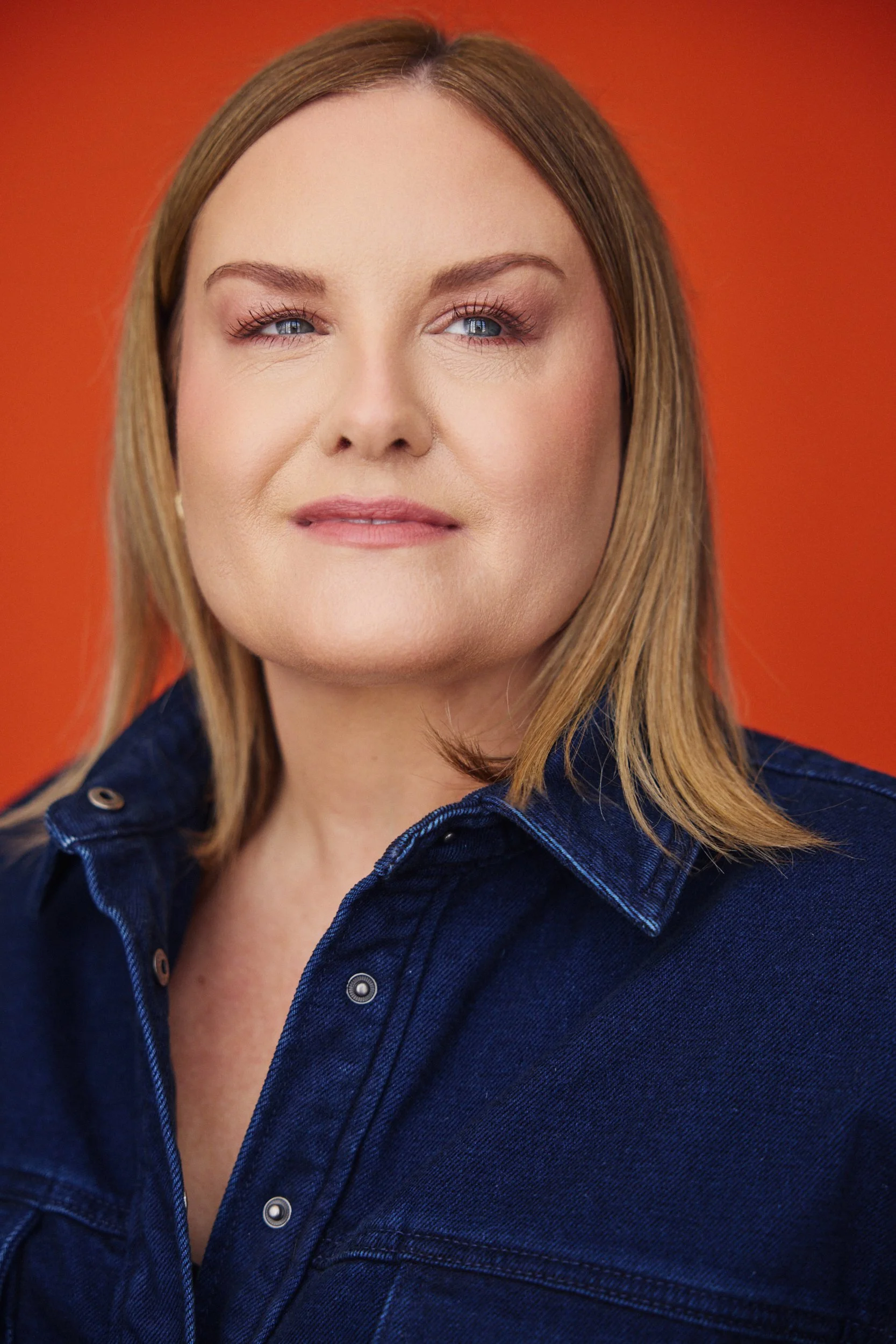
“People want to see things they’ve never seen before, people want to see originality, see creatives stay in jobs, they want to see local talent being used by businesses and not replaced by cheap AI slop.”
O is known for representing big names. What do you look for in client relationships?
Like-mindedness around being brave, and openness to change.
When I think about Original Thinking, I think about the premise of marketing and that is genuinely about being brave. It's always been about trying new things. The way I see marketing is that it’s about coming up with an idea that lasts. Ideas that are brave enough to try something new but also create a legacy for a brand or a business. Our clients are the ones that are willing to let us take the insight and come up with ideas that can change markets, industries and attitudes, and create brands that will last.
What does Original Thinking mean in practice at O?
Originality isn't always about coming up with an idea that no one's ever thought of before. It's about the concept of bringing something new to your specific audience.
We've just done this with one of our PropTech clients – a really simple idea for National Estate Agency Day. It’s not that awareness days didn't exist before, but we looked at a sector that was crying out to be championed.
We did something that had never been done in that space before. It went viral in the sector, adopted by hundreds of estate agents across the UK, by media and even competitors. Creating an ownable idea that has the potential to last decades is exciting, and we see big brands all over the world striving for that repeatable, ownable campaign.
Sometimes building a creative legacy simply comes from bringing fresh originality to a sector.
When it comes to creating ideas, where do you go mentally or physically when you're trying to think beyond the obvious?
I'm not very good at switching off, which means that I'm thinking pretty much all the time! I'm not one of these people that goes for a long walk to find space in my head. I just constantly look around, read and retrain, and I’m always online, listening to podcasts and absorbing everything around me.
I actually get creative ideas in quite noisy environments, just sitting chatting to other people sparks something that makes me think.
In the world we live in now, you've got to go with the idea first – not the budget or channel. Being able to come up with the biggest idea possible and then work backwards from there is always what I prefer to do.
I think any creative that can surprise you a little bit or stop you in your tracks and make you say “I didn't expect that from that brand” is where we come to life.
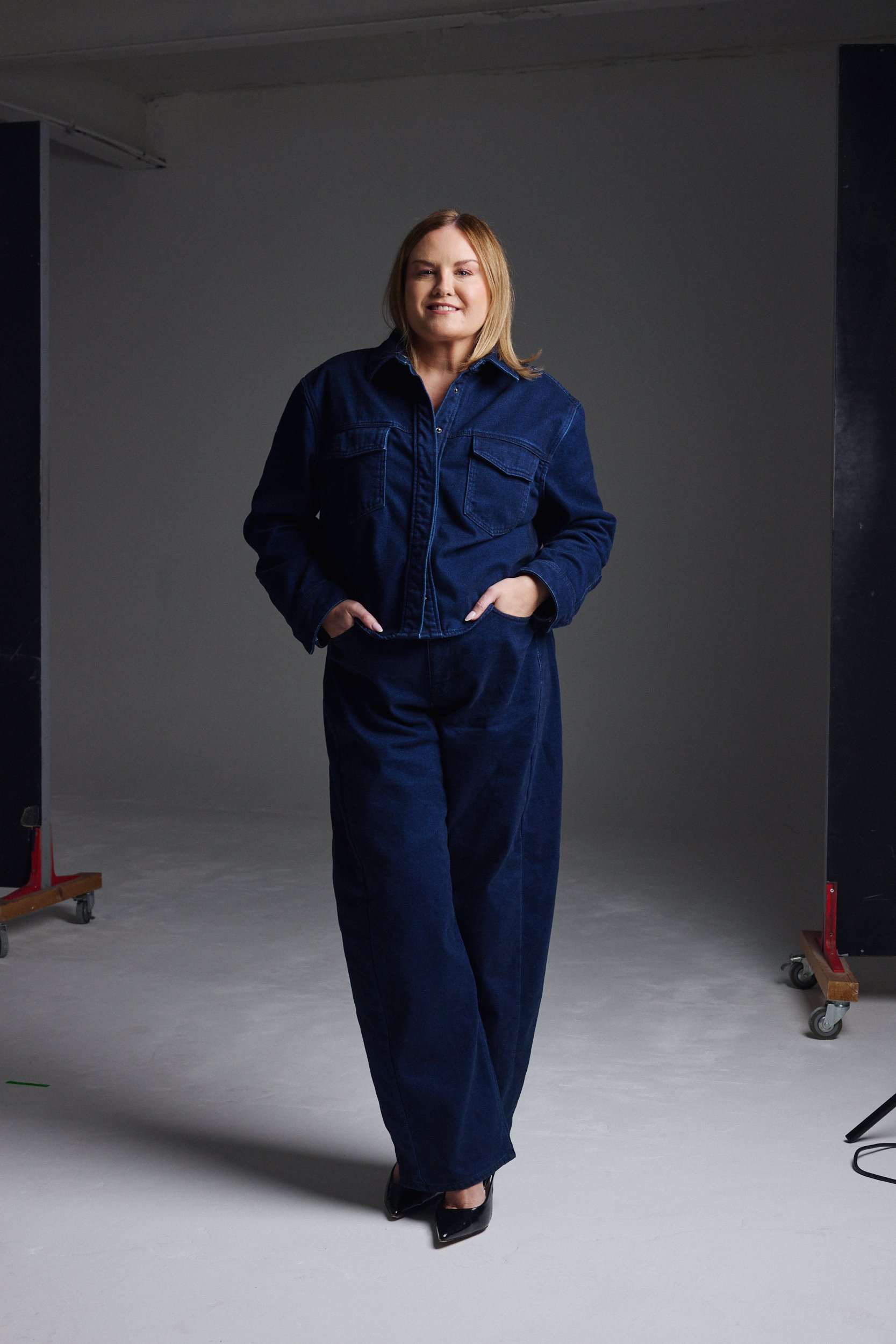
With the rise of AI, can you cast your eye ahead five years or so and tell me what you think is going to happen in marketing?
Firstly, I have to say it poses a massive risk for our sector. It’s already starting to happen where it's being used as a shortcut to drive up productivity and drive down creativity and value. Why do people work with creative agencies? It's because they have a different lens – they come up with new ideas and it's always fun to work with agencies because you learn new things. It should never be because they can just do more ‘stuff’.
What I see in the future is that tech continues to enable us to spend even more time on critical thinking, but I think there's a real friction in our industry where people think AI is a skill. For me, that is something that needs to be addressed pretty quickly. I'm hearing a lot of our industry talking about AI becoming a skillset – it’s not a skill, it’s a tool.
When it comes to AI adoption, there are three core skills that every future marketer is going to need to have as they move through their careers.
The first is being brave.
Experimentation, especially for young people coming through the marketing industry, is so important. They have to be okay with trying new things and taking risks. AI is one of those things, but it’s not the first or the last big change we’ll see in marketing. Marketing has always been about being brave.
The second skill is resilience,
because what AI brings with it, particularly for young people, is this idea that their jobs won't exist. There's resistance to adopting it because there's this constant worry they will be replaced.
It’s about being resilient enough to recognise their value and understand that using technology tools to build their skills will allow them to progress in their career. I think the role of marketing is getting more complex and more strategic, which is so exciting, but to succeed, people need to embrace technology as part of their development.
The final skill is the human ability to build relationships.
We have peer-level conversations with our clients, so we ask intelligent questions.
Deep understanding of where that client's business or sector is heading is coming earlier and earlier in people's careers now. Technology allows people to spend less time pulling data for a report or doing basic technical tasks, and junior-level staff need to worry less about ‘doing the marketing basics’ and more about ‘becoming advisors’ to their clients.
To every young person I speak to in the industry, I am advising them to get strategic as early as possible. Learn how to have really great conversations, double down on properly understanding your client's industry, read their trade media, look at the data reports and have those conversations with insight as early on as you can.
I give quite a provocative talk at the universities, called “Is AI making you all less intelligent?”
I do it this way to say: AI should be the tool to give you the insight and the information to make decisions. There's a real risk that if technology isn’t used properly across every industry, and certainly for young people coming into our sector, that the strategic learning isn’t happening.
AI doesn't have empathy and it can't build relationships. It's not able to understand the human impact of data and turn it into a conclusion based on all those different brilliant human qualities that make great marketers.
“Why do people work with creative agencies? It's because they have a different lens – they come up with new ideas and it's always fun to work with agencies because you learn new things.”
O.agency is 21 years old this year. What are its plans for the next few years?
I'm excited about so many things. We are an ambitious region and it's a very exciting time for us to lean into our DNA as an earned agency.
We are developing our services constantly to meet a new world; we spend a lot of time with clients and hear that change is accelerating, and decisions need to be made faster. Our consultancy helps clients navigate trends at a time of big change in the world. But to me, that's the most exciting time.
The consultancy arm of the agency is growing quickly. The senior team have built their knowledge over decades, across different sectors and moments of huge change, and it’s about applying that experience to help businesses navigate the challenges and opportunities in front of them today.
If you look at traditional marketing methodologies, everyone follows the same pattern. Everybody goes to the same place on the script, all the strategic diagrams at the same time.
We started developing our own unique Original Thinking methodologies that can be used together or in isolation to help clients deal with their biggest challenges or to grab the biggest opportunities that might be in front of them.
They're really unique and lean into what we're great at as a team – intelligent insights-led originality.
I want to lean into that headfirst. We love change, we started in the dot com boom, then the social media revolution and now AI, working across every sector from tech to transport, retail to manufacturing.
I think for us as an agency, something that makes us truly special is how much senior consultancy knowledge we have because of that experience.
This feature is an extract from O’s Original Thinking podcast. Listen to the series here